
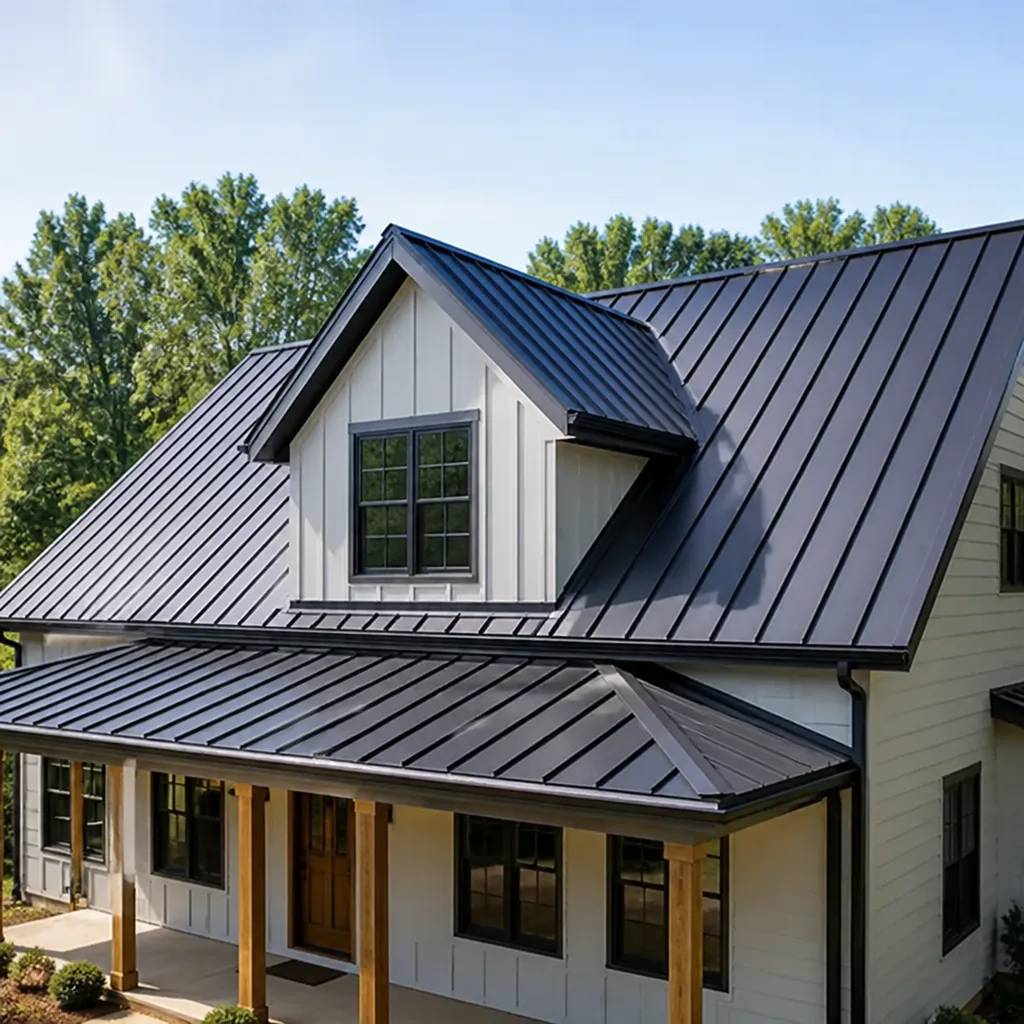
 Metal roofing
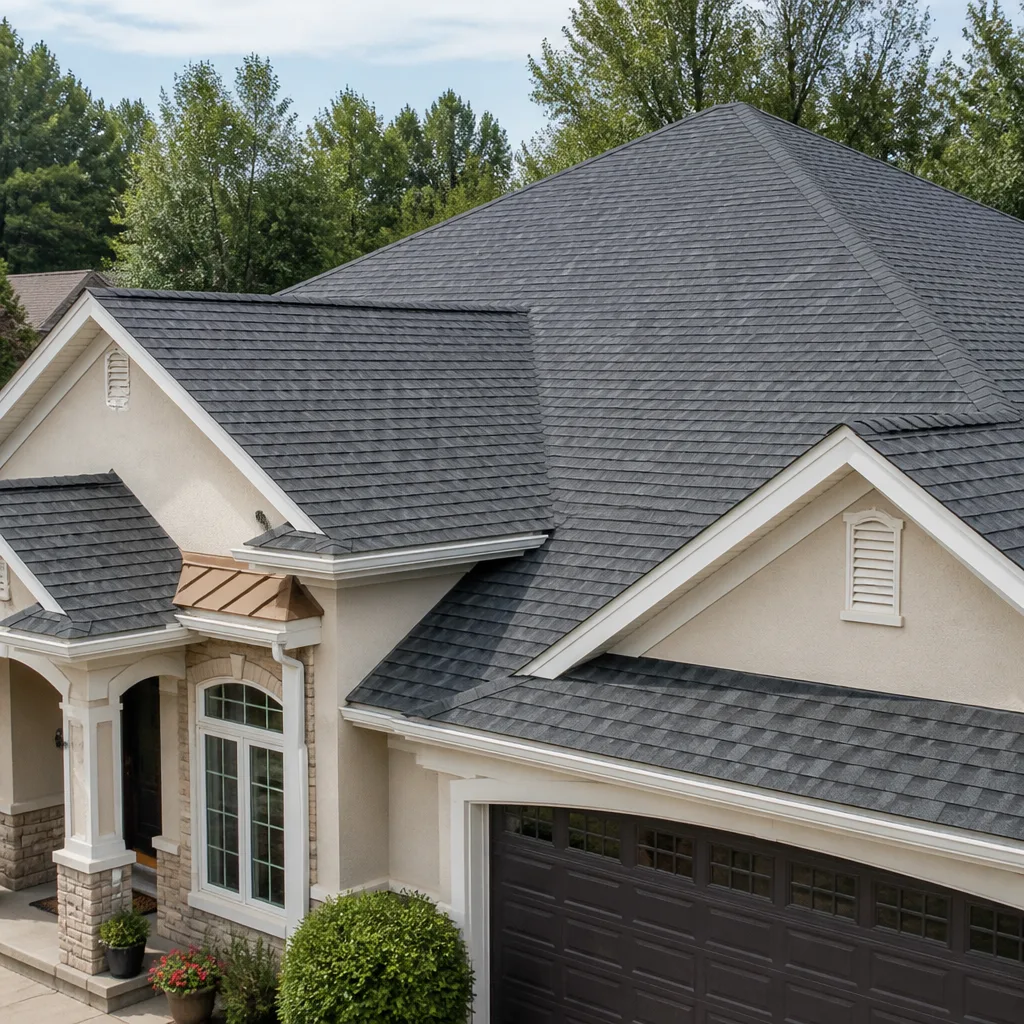 Architectural shingles
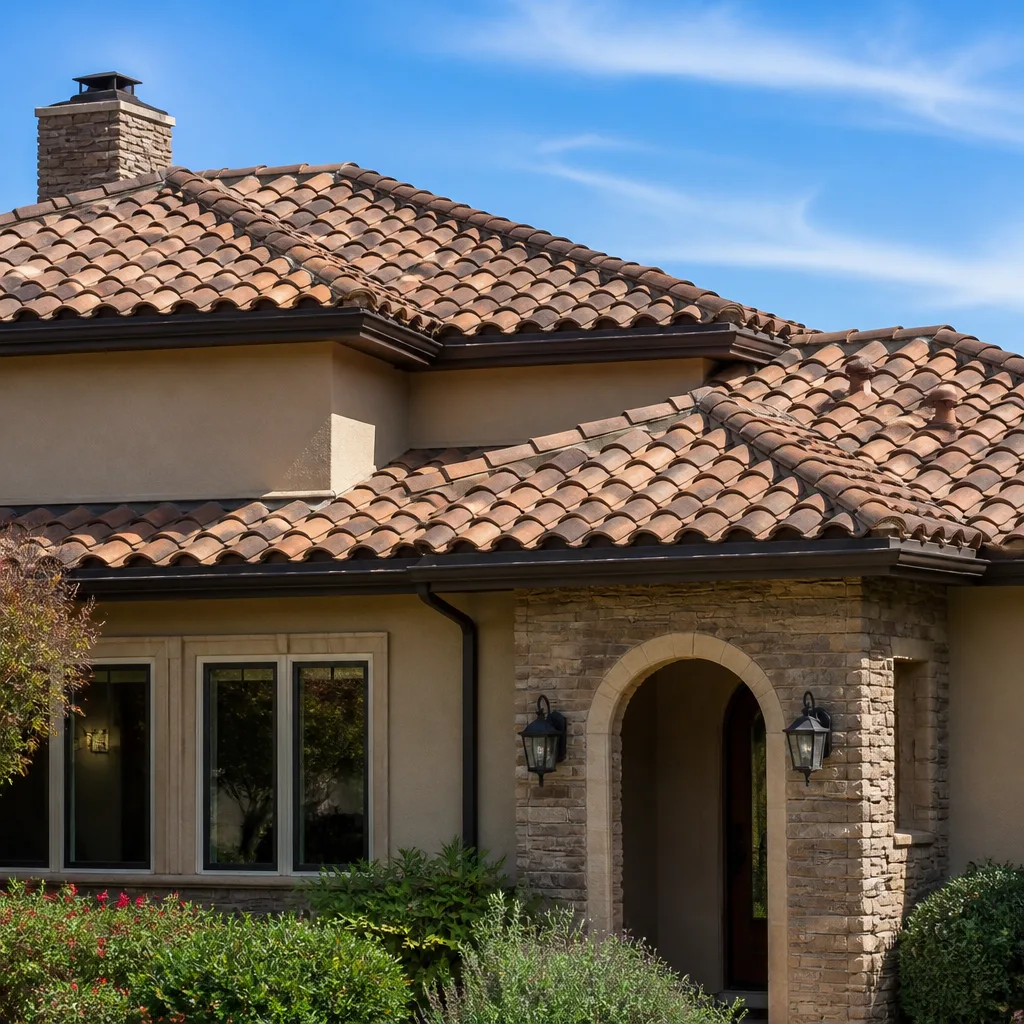 Tile roofing
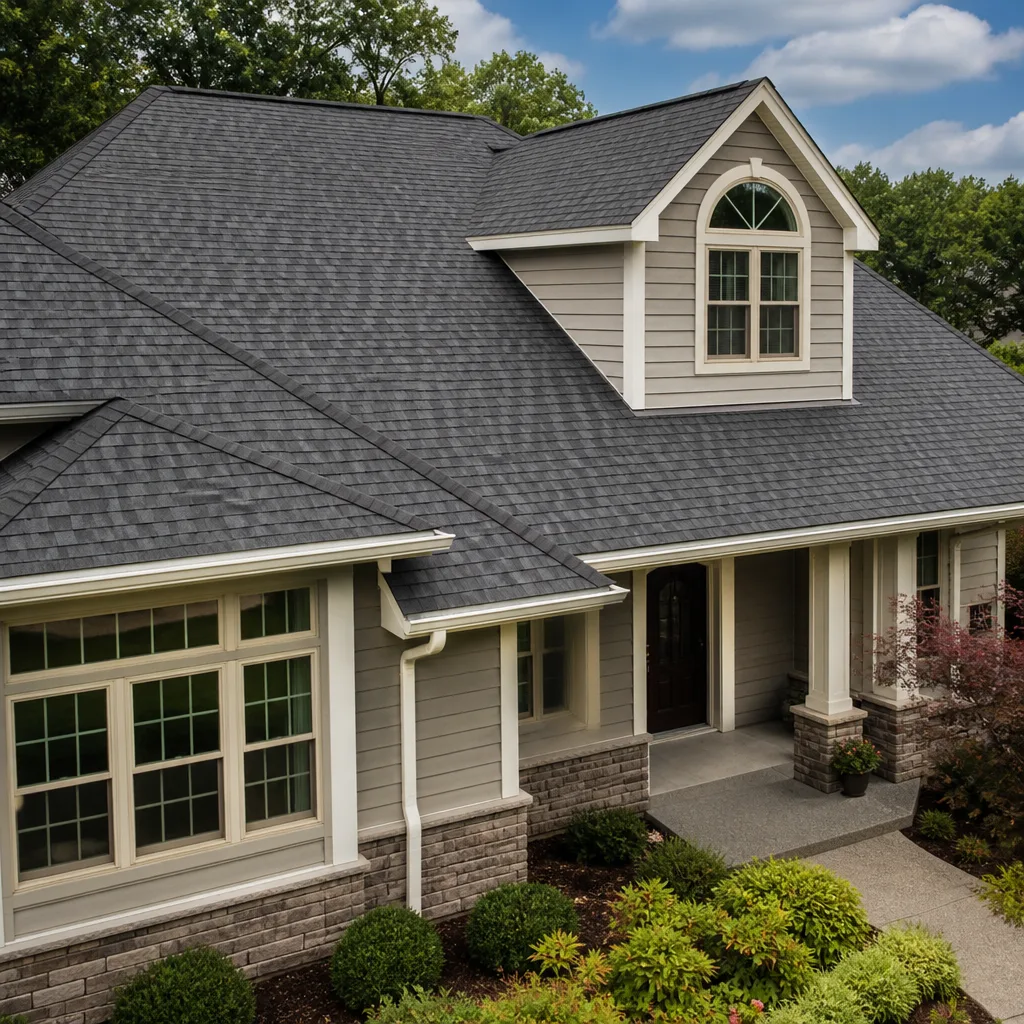 GAF
GAF Owens Corning
 Flat & low-slope
Free roof inspection with deck photos before we talk money - GAF and Owens Corning certified installation
IKO Ridge Vent Installation: The Los Angeles Owner’s Guide
We stock and install IKO-compatible ridge vent systems across Los Angeles, with most replacements running $450 to $900 installed for a typical single-family home. We keep IKO’s low-profile and weather-filter style vents on our trucks, so most jobs are done the same day we diagnose the problem. The way owners usually find us is simple: they’re up in the attic in late summer, the air feels heavy, and they notice the ridge vent plastic has cracked, warped, or pulled loose from the shingle line. Or they’re outside and spot shingles lifting near the peak and realize the vent cap is no longer holding its line.
Which IKO Models This Applies To
IKO ridge vent application covers their asphalt shingle lines broadly, but the fitment details matter. The IKO Ultra HP and low-profile ridge vent profiles are engineered to sit cleanly under their Cambridge, Dynasty, Nordic, and Royal Estate shingle lines, and we match the vent width and nail flange to the shingle profile rather than guessing. The compatibility gotcha we see on Los Angeles roofs is this: older IKO Cambridge installs from the 2000s often used a narrower vent cap with a hinged baffle, and the newer weather-filter style vent is a slightly different width. If someone slaps the wrong width on an older roof, the cap sits uneven and the shingles won’t seal flat against the vent edges. We don’t sell aftermarket substitutes for IKO ridge vent material when the full cap system needs replacement. For the vent itself, the OEM IKO part is the only thing we’ll install on an IKO shingle roof, because the shingle profile and the vent flange geometry are designed to seal as one unit. Aftermarket vent caps exist, but in our experience the nail strip spacing and the plastic gauge don’t match IKO’s spec, and over time the cap lifts and the rust-speckled nails begin to show along the ridge.
Mercer Roofing Co Los Angeles is an independent roofing contractor. We are not affiliated with IKO, but we install and repair IKO ridge vent systems every week, and we know the model quirks from the shingle side and the vent side.
Styles & brands we work with
Signs Your IKO Ridge Vent Installation Is Failing
- Curling or cracked vent cap plastic along the ridge. Southern California UV eats the plastic on ridge vent caps faster than anywhere else. IKO’s vent is UV-stabilized, but after a decade of direct sun with no tree cover, the cap material begins to chalk, then crack at the nail line. Once the crack opens, water gets under the cap and the shingles at the peak start to degrade.
- Shingles lifting or peeling at the peak. If the IKO shingles near the ridge are flipping up or the adhesive strip has failed, the vent cap’s nail flange is often the culprit. The cap lifts, shifts, and takes the shingle edge with it. We see this on homes in the San Fernando Valley where afternoon wind gets under the ridge line and pries on any loose edge.
- Air feels heavy or muggy in the attic. When the vent cap cracks or the baffle collapses, the stack effect fails and hot air parks in the attic. Attics in Los Angeles can hit 140 degrees in August with no venting, and you’ll feel that heat radiating back down through the ceiling after the sun sets.
- Rust-colored nail streaks or discoloration along the ridge. The nails that hold the vent cap are exposed to the elements. Once the cap’s UV stabilizers break down, water wicks around the nails and they rust. Streaks running down from the peak are a sign the cap has been compromised long enough for the fasteners to fail.
- Water stains on the ceiling near a bedroom or hallway at the top floor. A failed ridge vent cap lets wind-driven rain into the attic on angled storms. In Los Angeles, the strongest rain comes in off the Pacific at an angle, and a cracked ridge cap is exactly where water pushes in. If you see a damp patch at the top of your ceiling, look at the ridge line first.
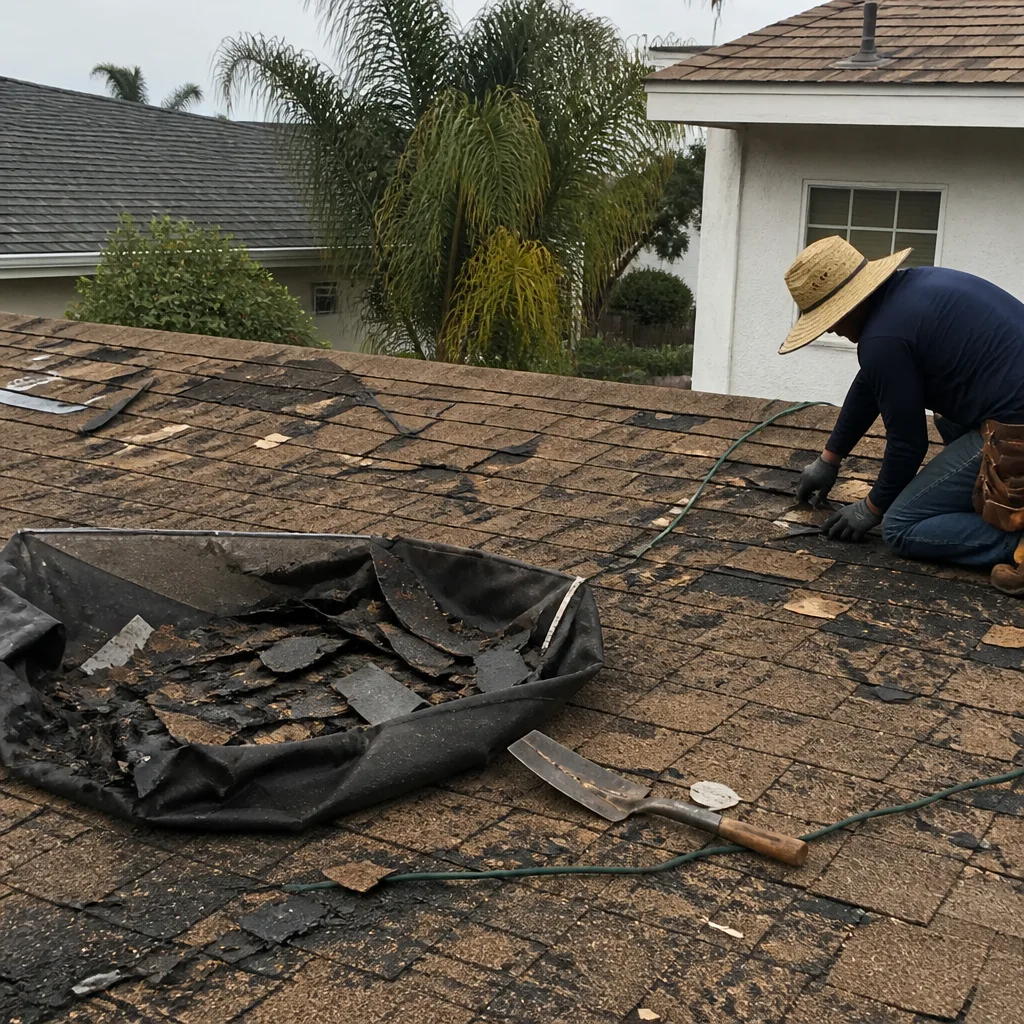
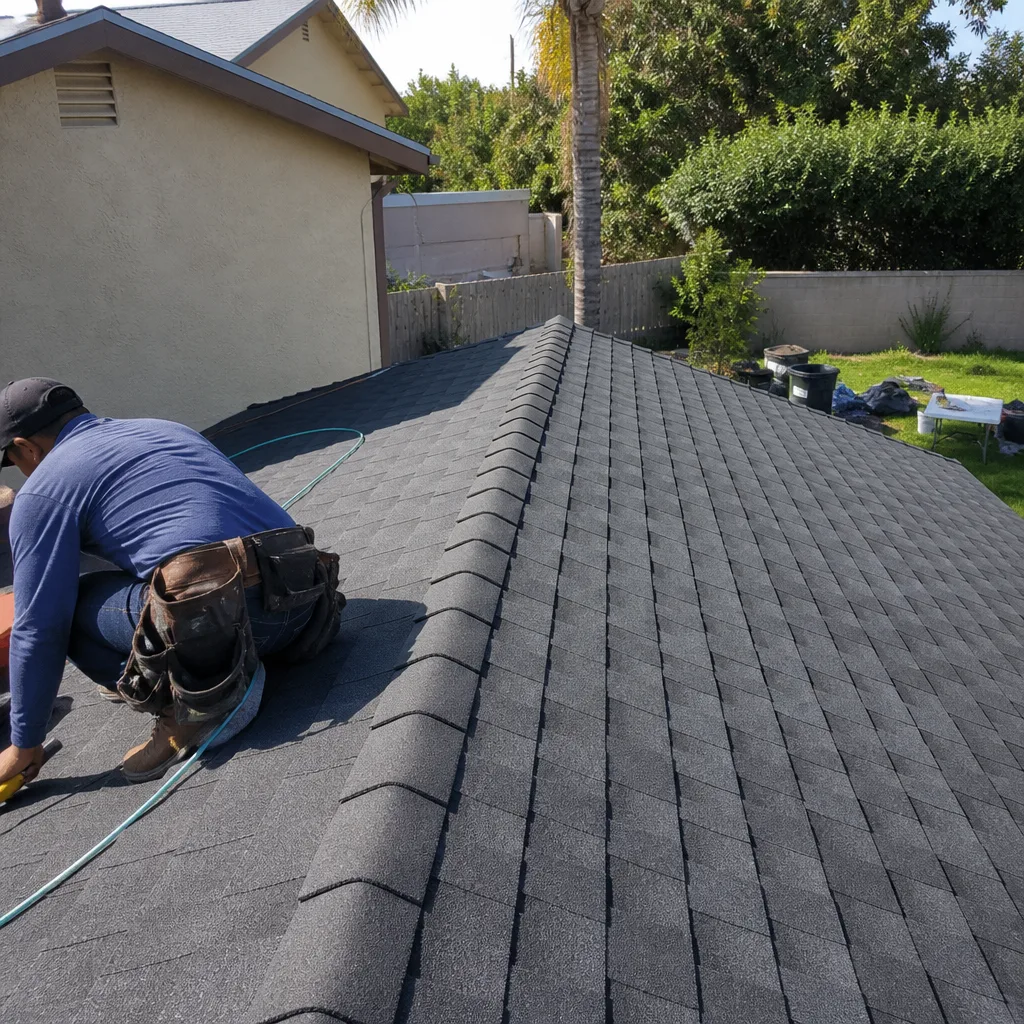
See the difference
 Before
 After
After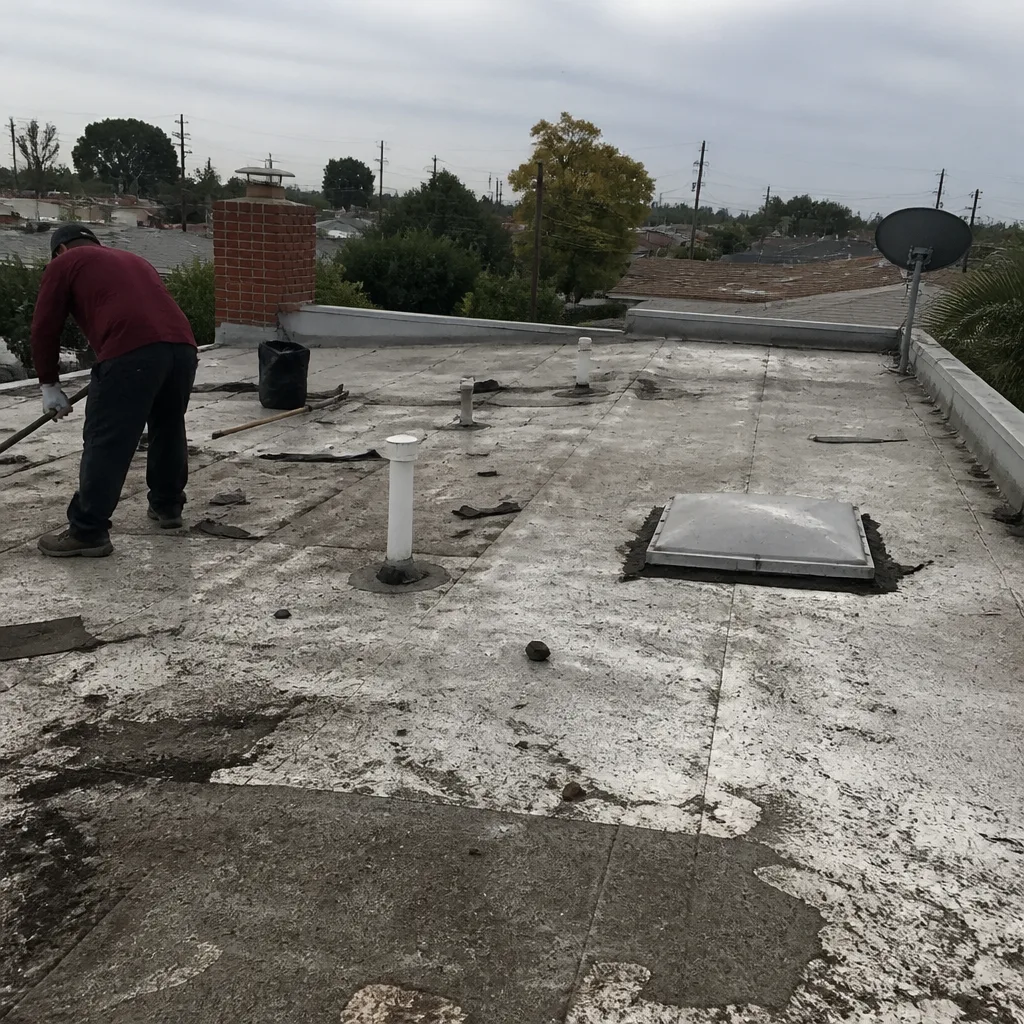 Before
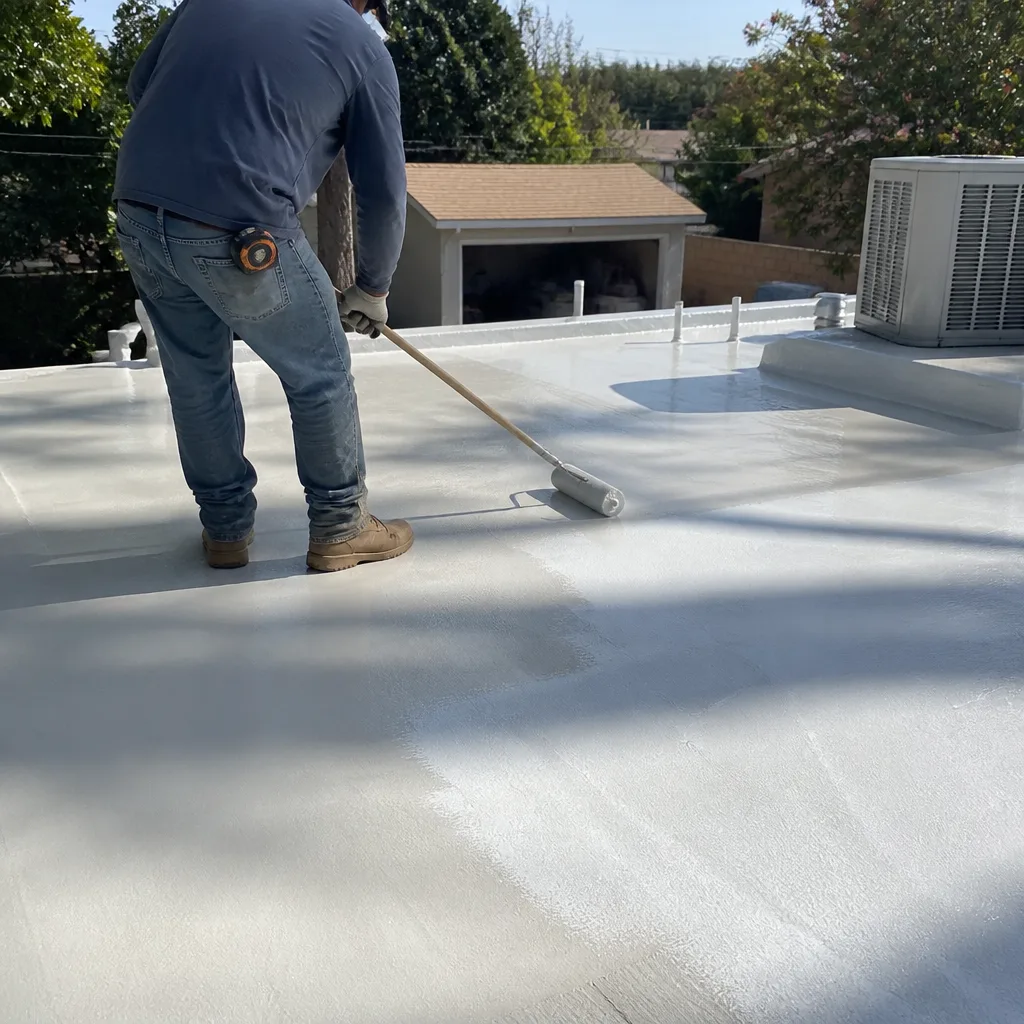 After
After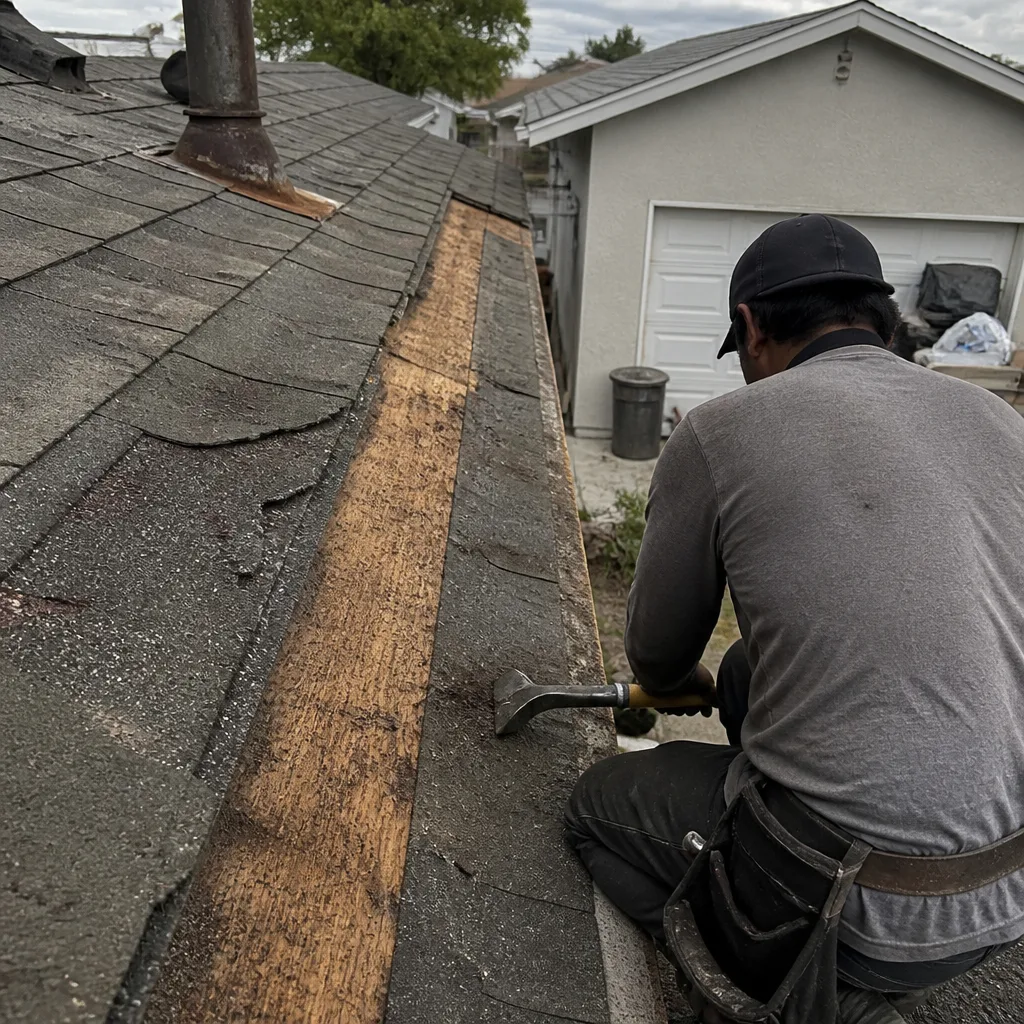 Before
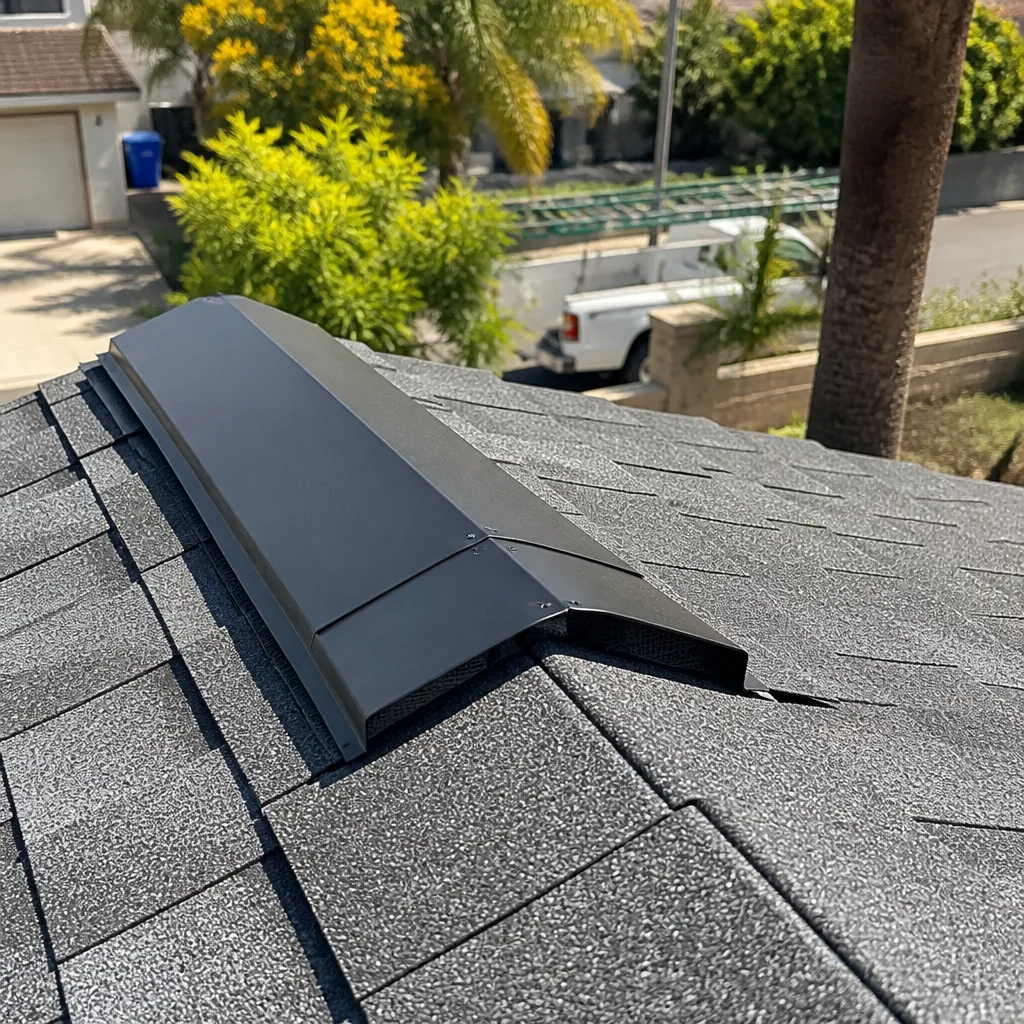 After
AfterReplacement Cost & What’s Included
Replacement IKO ridge vent installation in Los Angeles runs $450 to $900 for a standard single-family home. The cost comes down to three things: total ridge length, how many stories, and whether the shingles at the peak are healthy enough to re-seal over the new vent cap. We price the job as a line item: the IKO vent material runs $3 to $5 per linear foot, and labor with the necessary roof mat, nails, and sealing runs the rest. A ranch home with 40 linear feet of ridge usually lands closer to $450. A two-story Spanish-style home with a steep pitch and 70 linear feet will run toward $900.
Every IKO ridge vent replacement we do includes the 365-Day Done Right Promise. That’s our written guarantee: if the vent cap or the seal fails within a year, we come back and fix it at no cost. The written price you get before work starts is the final price, no change orders. And the estimate is free.
We don’t upsell you into replacing shingles that don’t need replacing. If the shingles at the ridge are cracked or losing granules, we’ll tell you and quote the peak shingle replacement separately. If they’re solid, the vent cap is the only thing we’ll quote.
DIY or Call Us?
Here’s an honest split. The two things homeowners can check themselves: look along the ridge line for cracked or shifted vent cap material, and go into the attic on a hot afternoon to feel whether the air is moving. That’s diagnosis, not repair. We don’t recommend doing an IKO ridge vent cap replacement yourself. The roof-side work means kneeling on the peak, pulling up shingle edges at the ridge line, and using nails that have to hit a specific flange strip. On a two-story Los Angeles home with a 6/12 or 7/12 pitch, that’s a fall risk, and the shingle work around the vent cap is the part that leaks if done wrong. Call us at (213) 521-8272 and we’ll have a technician out to give you a written price. You’ll know who’s coming before they arrive, because we send the name and photo ahead of the visit.
FAQs
In Los Angeles, an IKO ridge vent cap typically lasts 12 to 18 years depending on exposure. The plastic is UV-stabilized, but years of direct sun on south-facing ridge lines shortens the lifespan compared to homes with tree cover or a lighter shingle color.
If the damage is a small crack or a single lifted nail station, we can often seal and re-nail the vent cap. If the plastic is brittle across multiple sections or the baffle material has collapsed, full replacement is the right call. Call (213) 521-8272 for a free estimate and we’ll tell you which one applies to your roof.
A standard IKO ridge vent replacement takes 2 to 4 hours for a single-family home in Los Angeles. Steeper pitches or longer ridge lines add time, but most jobs are completed in one visit.
We keep IKO low-profile and weather-filter ridge vent material on our trucks, so there’s no waiting on an order. We also stock parts for GAF, Owens Corning, and CertainTeed vent systems, and we’ll confirm the specific IKO part before the crew arrives.
Start with a call to (213) 521-8272. You’ll get a straight answer, a written price, and a roofing company that sends a named, photo-badged technician to your door. A roof should be the last thing on your mind – let’s keep it that way.
Written by Grant Whitlock, Owner, Mercer Roofing Co at Mercer Roofing Co Los Angeles, serving Los Angeles and nearby areas.