
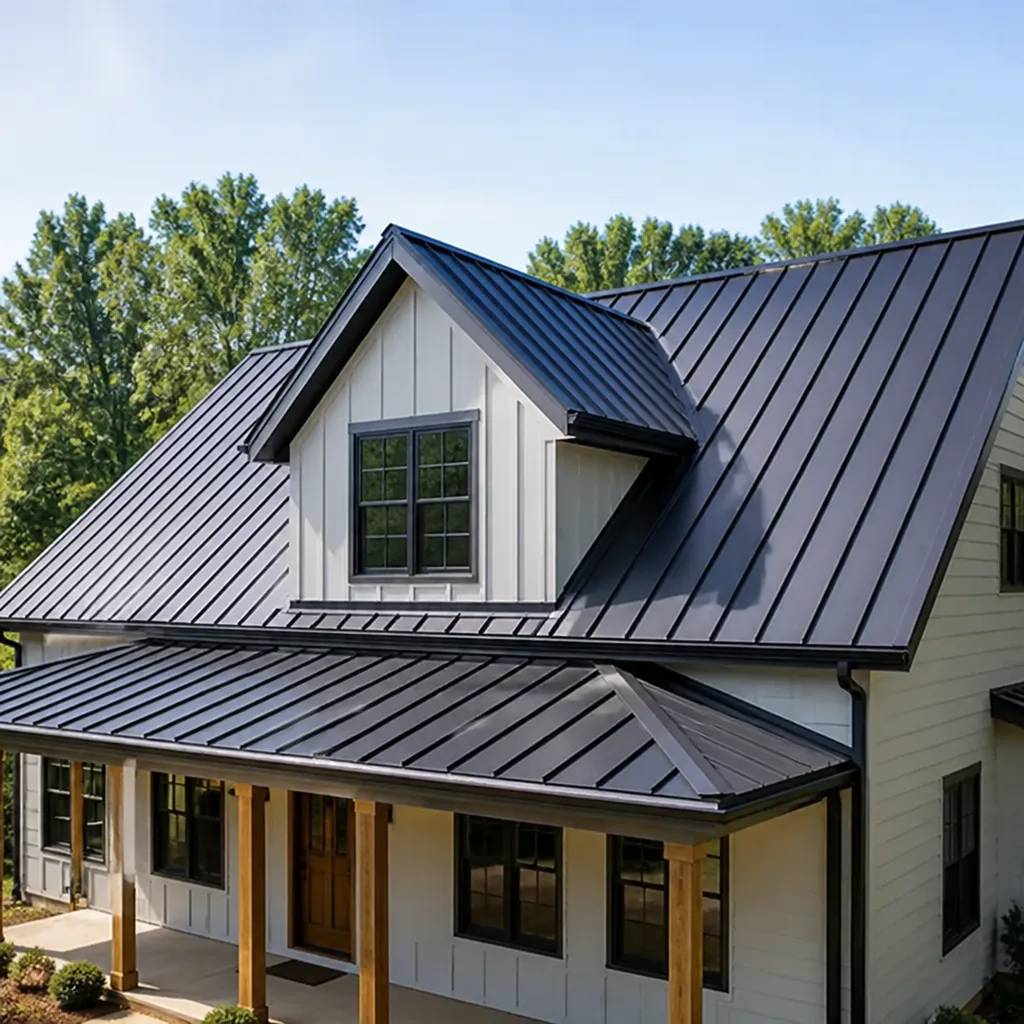
 Metal roofing
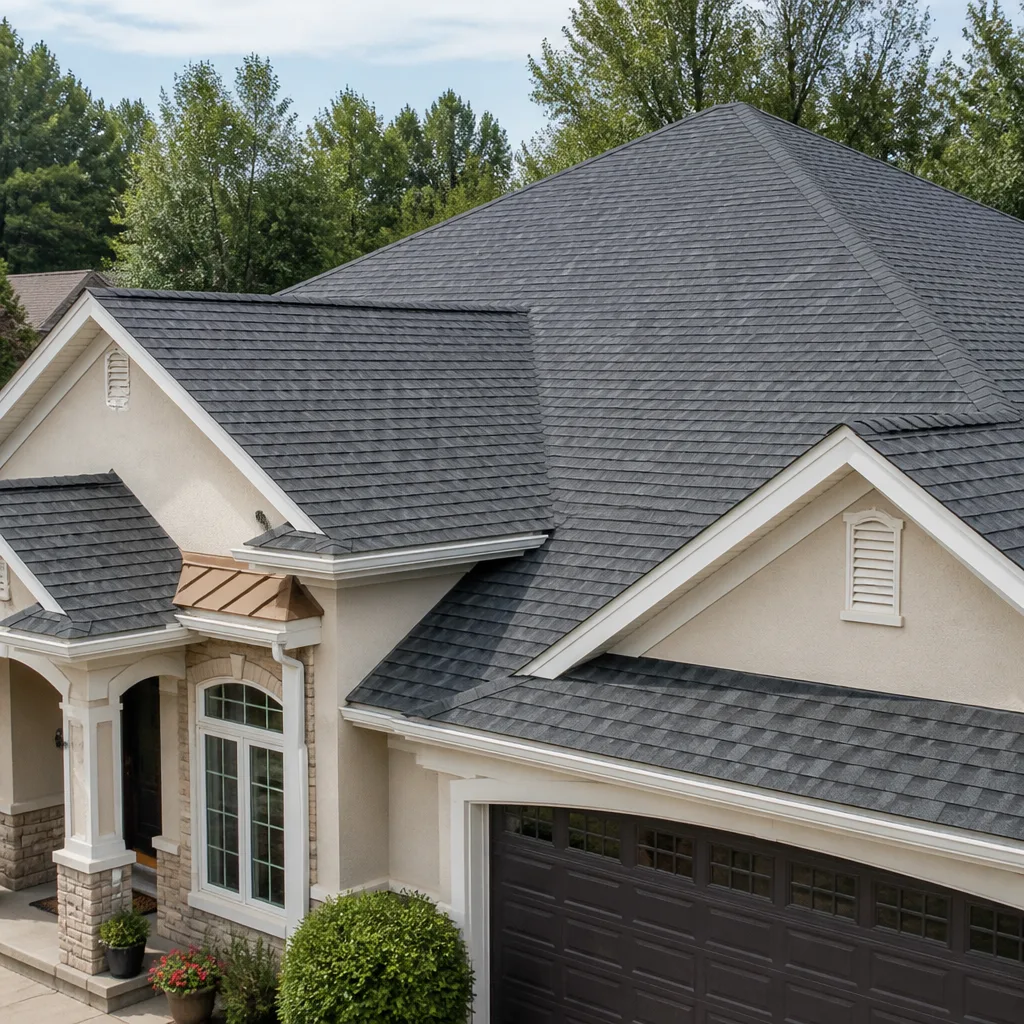 Architectural shingles
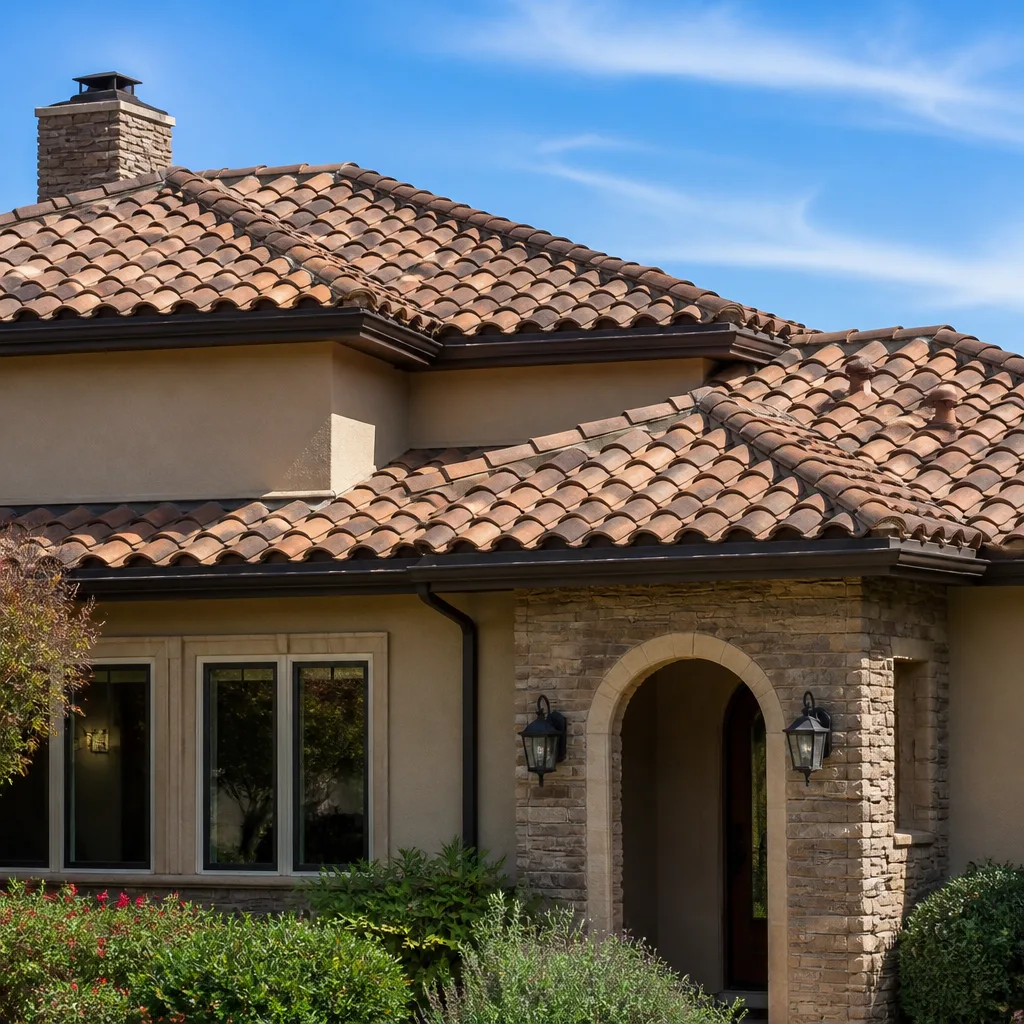 Tile roofing
 GAF
GAF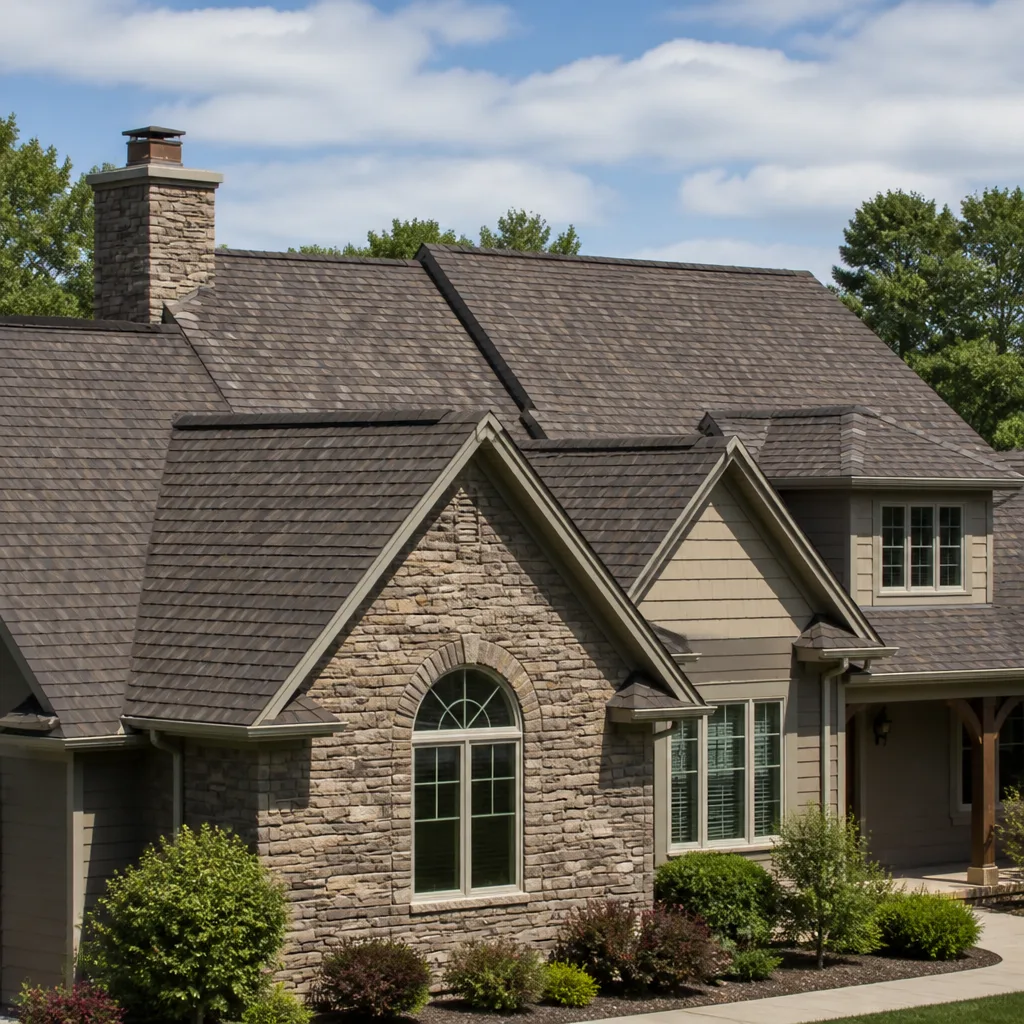 Owens Corning
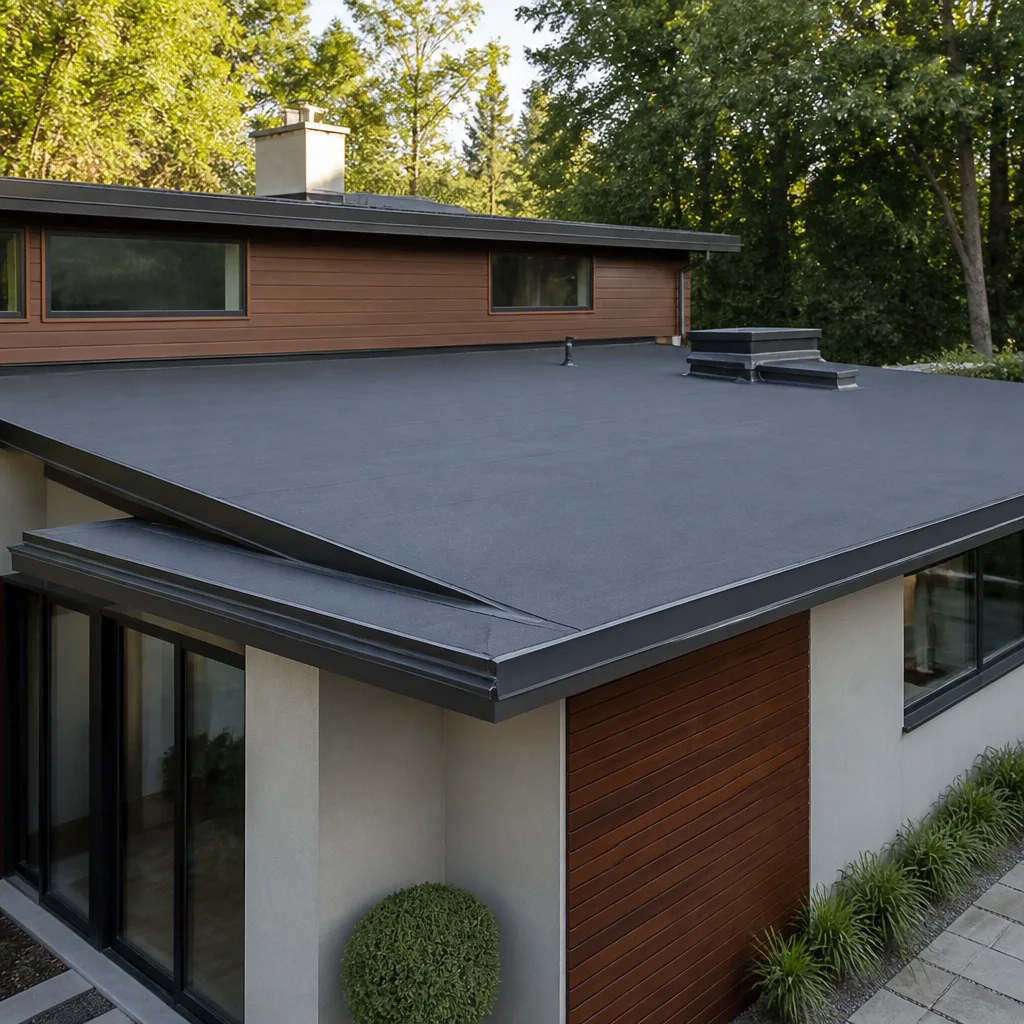 Flat & low-slope
Free roof inspection with deck photos before we talk money - GAF and Owens Corning certified installation
IKO Gutter Replacement: The Los Angeles Owner’s Guide
IKO gutter replacement in Los Angeles typically runs $14 to $28 per linear foot installed, so a standard 160-foot single-story home lands between $2,200 and $4,500 depending on gutter profile, fascia condition, and whether we’re matching existing downspouts or reconfiguring drainage. We stock IKO-compatible aluminum and galvanized profiles on our trucks, and most single-home gutter replacements are a one-day job. What we see most often in LA: homeowners notice sagging sections pulling away from the fascia after winter rains, or rust staining on stucco below the eave line, and that’s when they start asking about IKO-specific replacement parts.
Here’s the thing about IKO gutters specifically: IKO manufactures a full gutter and accessories line, but the gutter profiles themselves are standard 5-inch and 6-inch K-style and half-round shapes that most quality aftermarket manufacturers match to spec. The IKO name matters most on the accessory side: hangers, end caps, miters, and downspout elbows are engineered to fit IKO’s crimp and pitch tolerances. You don’t need to chase OEM IKO gutter sections, but you do want the drops and miters to seat correctly, otherwise you’ll get leaks at the seams within a season. That’s the compatibility gotcha most people miss. We address it by installing full-run IKO-compatible systems rather than mixing brands mid-run.
Key Takeaways
- Complete IKO gutter replacement in Los Angeles: $14 – $28 per linear foot installed.
- Most homes are done in one day, including fascia repair if needed.
- IKO-compatible aluminum K-style is what we stock most; 6-inch profiles cost about 15% more than 5-inch.
- We’re an independent contractor – not IKO – but we install their gutter profiles to spec daily.
Which IKO Models This Applies To
IKO’s gutter line in the U.S. market centers on the IKO Shield and IKO Pro Series profiles, both manufactured in 5-inch and 6-inch K-style aluminum, with half-round available on special order. Most Los Angeles homes with IKO gutters will have the 5-inch K-style profile, because it was the spec of choice for SoCal track builders from the mid-1990s through the 2010s. The 6-inch profile shows up more on hillside homes in Silver Lake, Echo Park, and Mount Washington where heavier runoff during el Niño winters demands wider troughs.
If you’re replacing just a section, check the inside face of a downspout or an end cap: IKO stamps their gauge and profile code there. You’ll see something like “IKO 050 K” for 5-inch K-style, .050 gauge. That gauge number matters. Big-box gutters often run .027 or .032, which is fine for a rental in the Valley but doesn’t hold up to climbing-boot weight when a roofer’s on the roof doing shingle work. We spec .050 minimum on every IKO-compatible replacement because Los Angeles roofing cycles mean someone will be walking that eave line again within a decade.
On the OEM-versus-aftermarket question: IKO gutter sections are well-made, but the aftermarket aluminum options from Spectra and Amerimax match the profile and gauge specs at a meaningfully lower price. Where we insist on IKO-branded or IKO-spec components: the hangers and the hidden drop outlets, because those are precisely what stop end-cap and miter leaks.
Styles & brands we work with
Signs Your IKO Gutter Replacement Is Failing
- Pulling away from the fascia. IKO’s original hanger spacing was sometimes 36 inches on production builds. Over time, the aluminum fatigues between hangers, and gutter sections start to gap away from the house at the midpoint. The fix is a new run with hangers every 18 to 24 inches, which we do as standard on every replacement.
- Water staining directly below mitered corners. Mitsers are the first thing to fail on IKO gutters because the sealant dries, shrinks, and cracks under Southern California UV exposure. A stain on the stucco below a corner is almost always a failed miter, not a roof leak.
- Rust blooms on galvanized sections. Older IKO installs in beach-adjacent neighborhoods like Playa del Rey, Marina del Rey, and San Pedro used galvanized steel. The salt air eats the zinc coating in about 12 to 15 years, and rust follows. Once rust blooms appear, the metal’s compromised; patching just buys a season.
- Overflow during light rain. If water spills over the gutter edge in a drizzle, you either have a pitch problem (the gutter was never sloped correctly) or clogged downspout outlets. On IKO systems, the downspout drops plug first because leaf debris and roof grit back up inside the crimped outlet. Replacement lets us set the pitch from scratch.
- Gutter nails or screws working loose. If you can see fastener heads backed out along the gutter face, the wood fascia behind it is likely rotted or the fasteners were driven into dry-rotted eave board. A new gutter on bad fascia fails again inside five years. We address the fascia during replacement, which is why our quote always includes a line item for any fascia repair.
See the difference
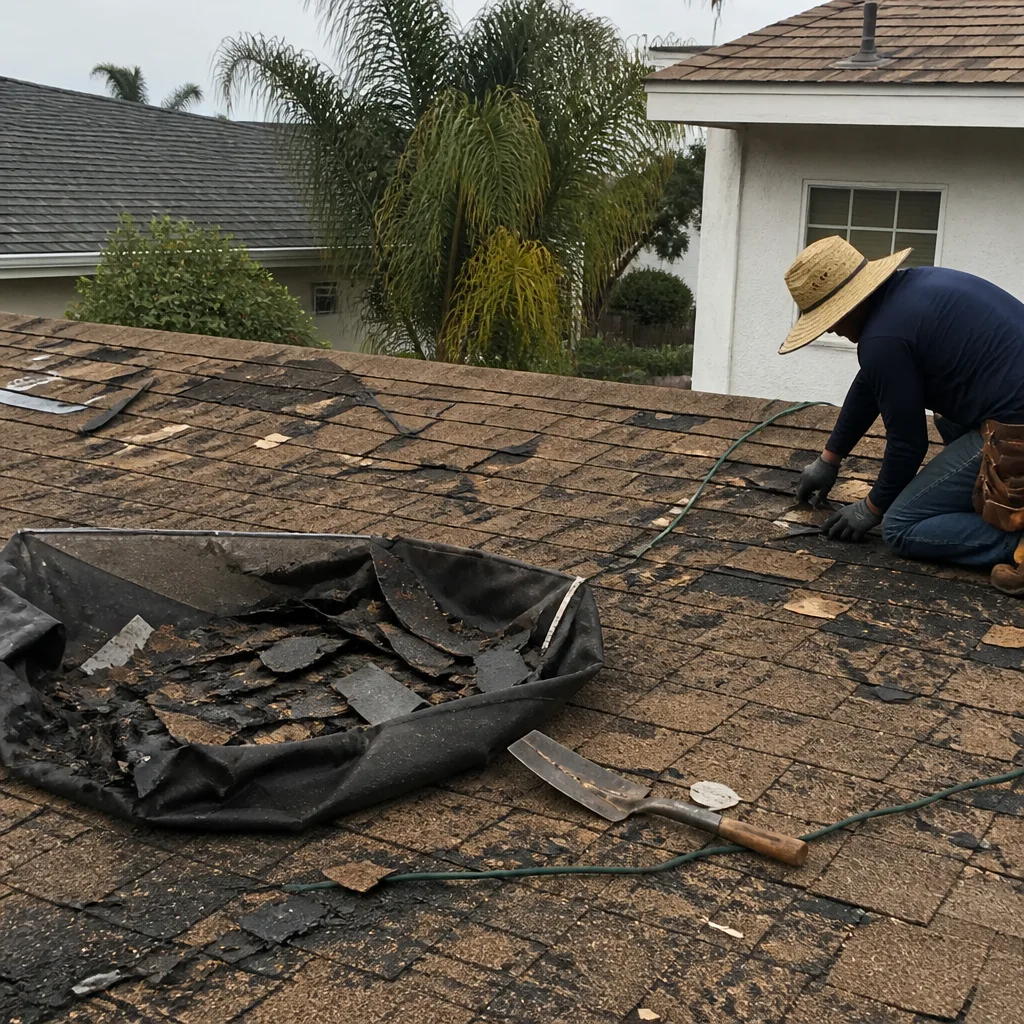 Before
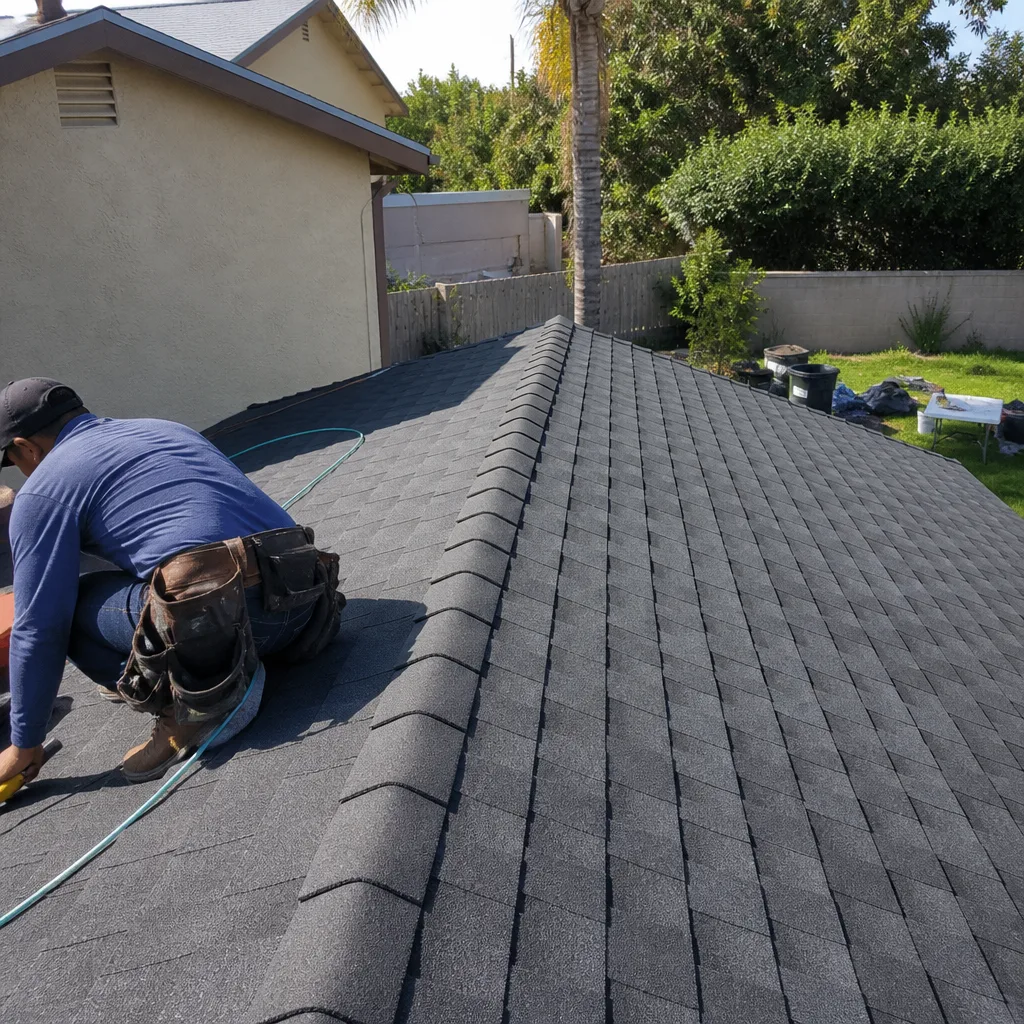 After
After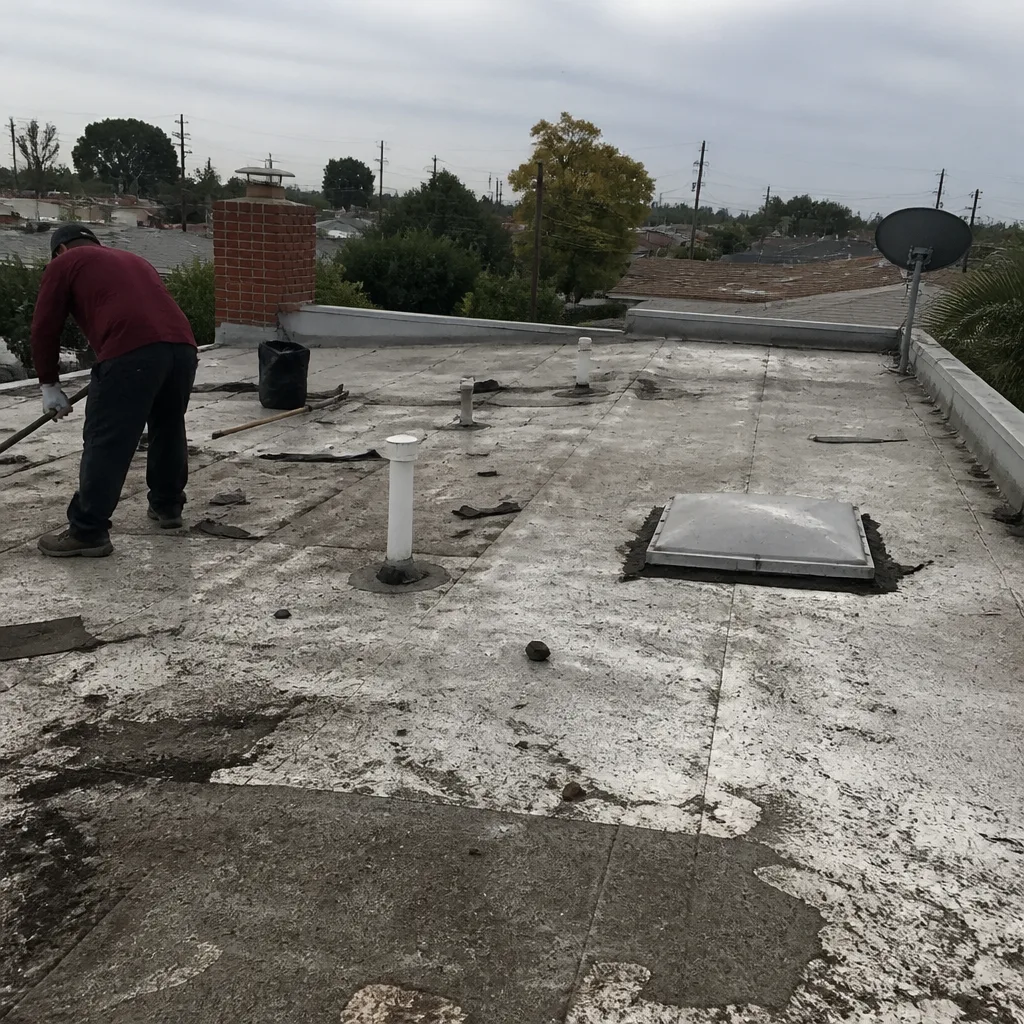 Before
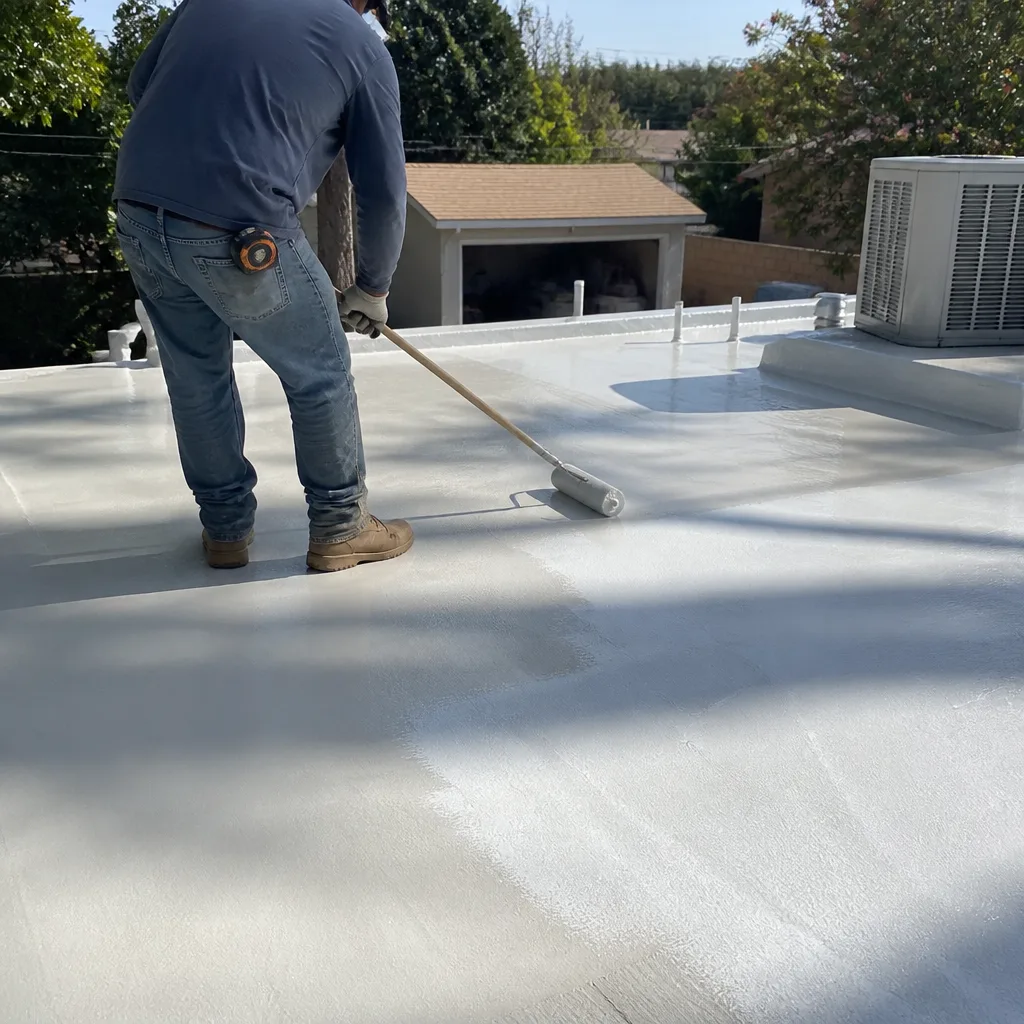 After
After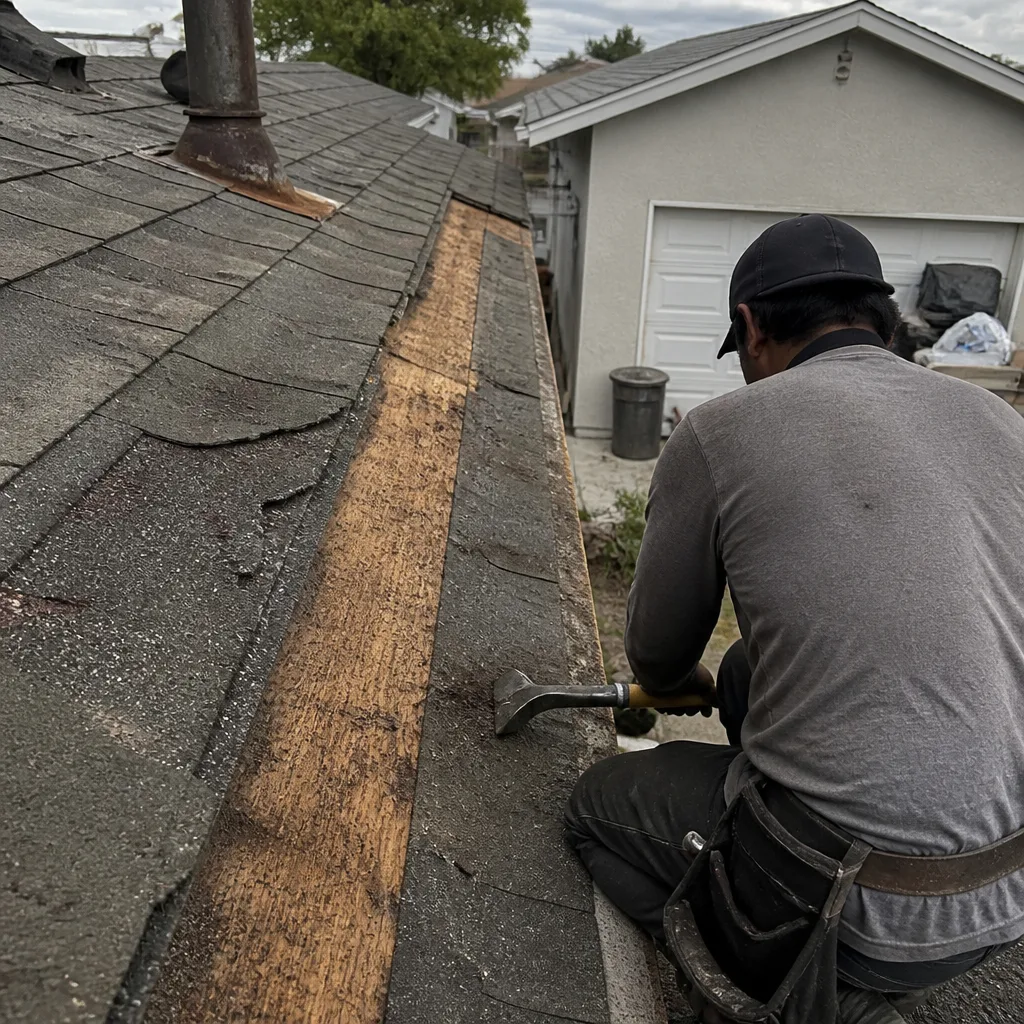 Before
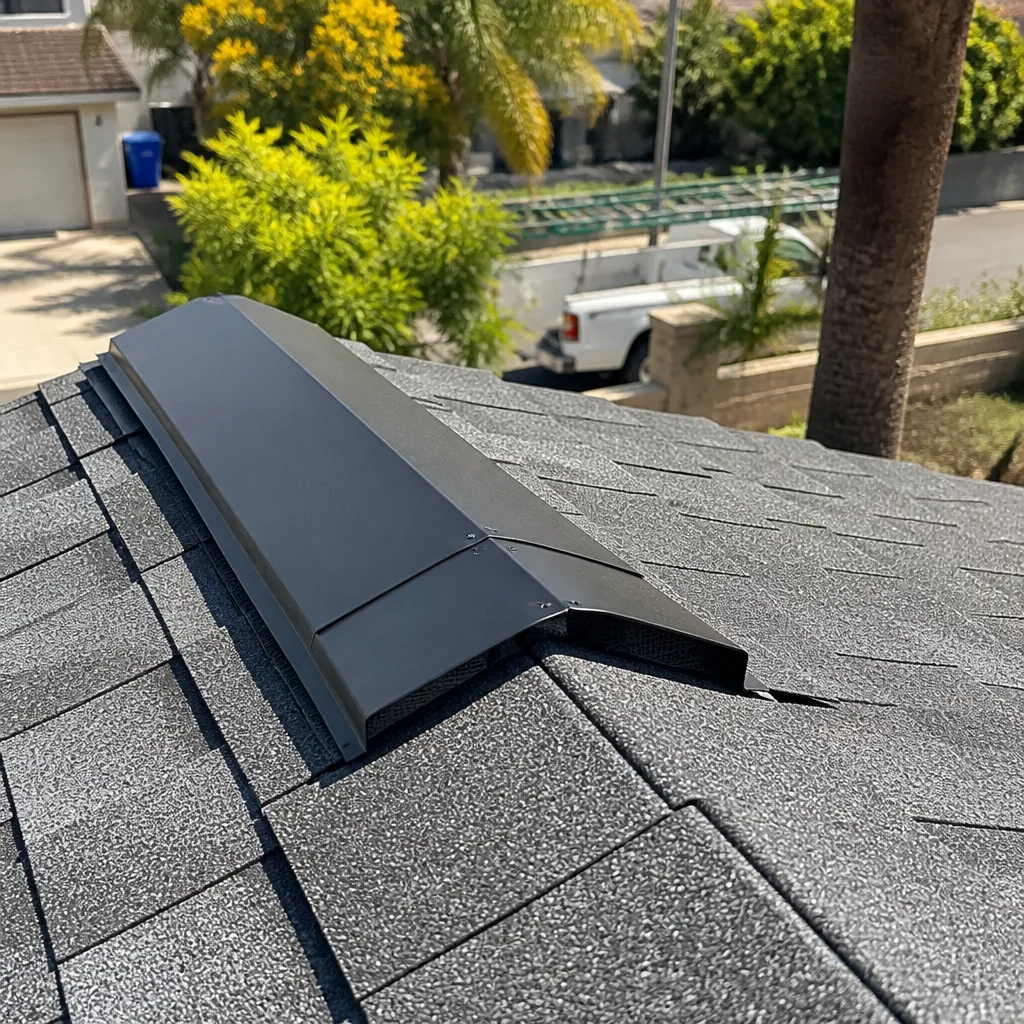 After
AfterReplacement Cost & What’s Included
Replacement cost in Los Angeles breaks down like this: 5-inch K-style aluminum in .050 gauge runs $14 to $19 per linear foot installed, including hangers every 18 to 24 inches, miters, end caps, and downspouts matched to the home’s existing configuration. A 6-inch profile, which we recommend for any roof plane over 1,200 square feet or any home in a canyon area that gets real rain, runs $17 to $28 per linear foot. The range is driven by three things: whether we’re reusing downspouts or running new ones, whether fascia board needs replacement first, and access – a two-story hillside home on a steep grade in Elysian Heights costs more than a single-story ranch in Westchester, because we’re staging ladders and running fall protection properly.
Every quote you get from us is a written, line-item price before any work starts. You’ll see the cost of the gutter material per foot, the labor separate, and any fascia or underlayment added as its own line. There is no change order on a gutter replacement unless you ask for scope to shift, and if a repair fails within 365 days, we come back at no charge under the Done Right Promise. That’s the guarantee, in writing, every time.
DIY or Call Us?
Most gutter replacement is work an ambitious homeowner can attempt, and I’ll be the first to say it: if you have a single-story home, a solid fascia board, and a friend to help steady the ladder, you can install a basic 5-inch K-style run yourself over a weekend. Where DIY goes wrong on IKO systems is the same place it goes wrong on every gutter: the miters and the pitch. A miter that leaks because the sealant was applied wrong creates water intrusion at the eave line, which then rots fascia, which then means the next gutter replacement costs more. And pitch set wrong means standing water, mosquito breeding, and rust.
The honest advice from Grant Whitlock, who grew up in Eagle Rock and has spent twenty years on LA rooftops: if the gutter’s on a second story, if the fascia shows any softness, or if you’re matching into an existing IKO run and want the seams to hold, call us. The danger on a ladder at second-story height with a 20-foot section of aluminum in your hands is real, and it’s the single most common way homeowners get hurt doing gutter work. Call (213) 521-8272. A roof should be the last thing on your mind, let’s keep it that way.
FAQs
IKO aluminum gutters in Los Angeles typically last 20 to 25 years, with the caveat that homes within three miles of the coast should plan for replacement around year 15 because of salt air corrosion on the fasteners and end caps. The gutter metal itself might still be sound at year 20, but the hangers and sealant won’t be, and that’s most of the reason we replace rather than re-hang. Call (213) 521-8272 and we’ll give you an honest read on what’s left in your gutters before you spend anything.
Yes, if the failure is limited to a single miter, one loose hanger, or a separated end cap, a repair usually solves it for under $250. If you’re seeing failures in three or more locations, or any rust-through on a galvanized system, replacement is the better spend because the metal’s already reached the end of its service life. We’ll tell you which one you’re looking at on site, and the repair is covered in writing for 365 days either way. Call (213) 521-8272 for a straight answer.
Most Los Angeles homes are a one-day job: we typically finish a standard 150-to-180-linear-foot single-story home in six to eight hours, including removing the old gutters, checking the fascia, and installing the new run top to bottom. Two-story homes or any job requiring fascia replacement will run into a second day. You’ll get a written line-item estimate before we start, with the timeline stated plain.
Yes, our trucks carry IKO-compatible 5-inch K-style sections, hangers, end caps, miters, and downspout drops as standard stock, along with 6-inch K-style and half-round components we can pull same-day from our LA suppliers. That means most jobs don’t require a return trip between estimate and install. We’re an independent contractor, not an IKO dealer, but we install their profiles to spec every week in Los Angeles. Call (213) 521-8272 for a free estimate and a written quote.
Written by Grant Whitlock, Owner, Mercer Roofing Co at Mercer Roofing Co Los Angeles, serving Los Angeles and nearby areas.