

Last updated October 17, 2026
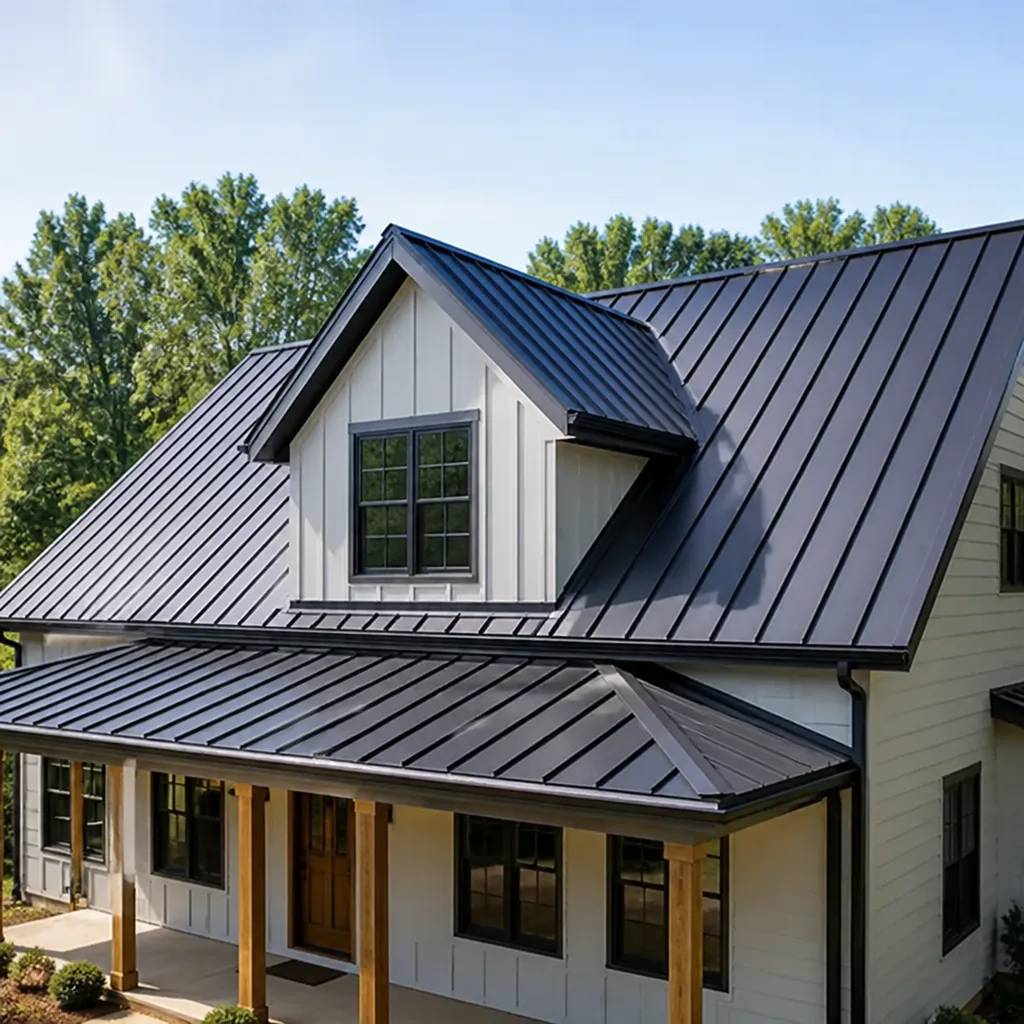 Metal roofing
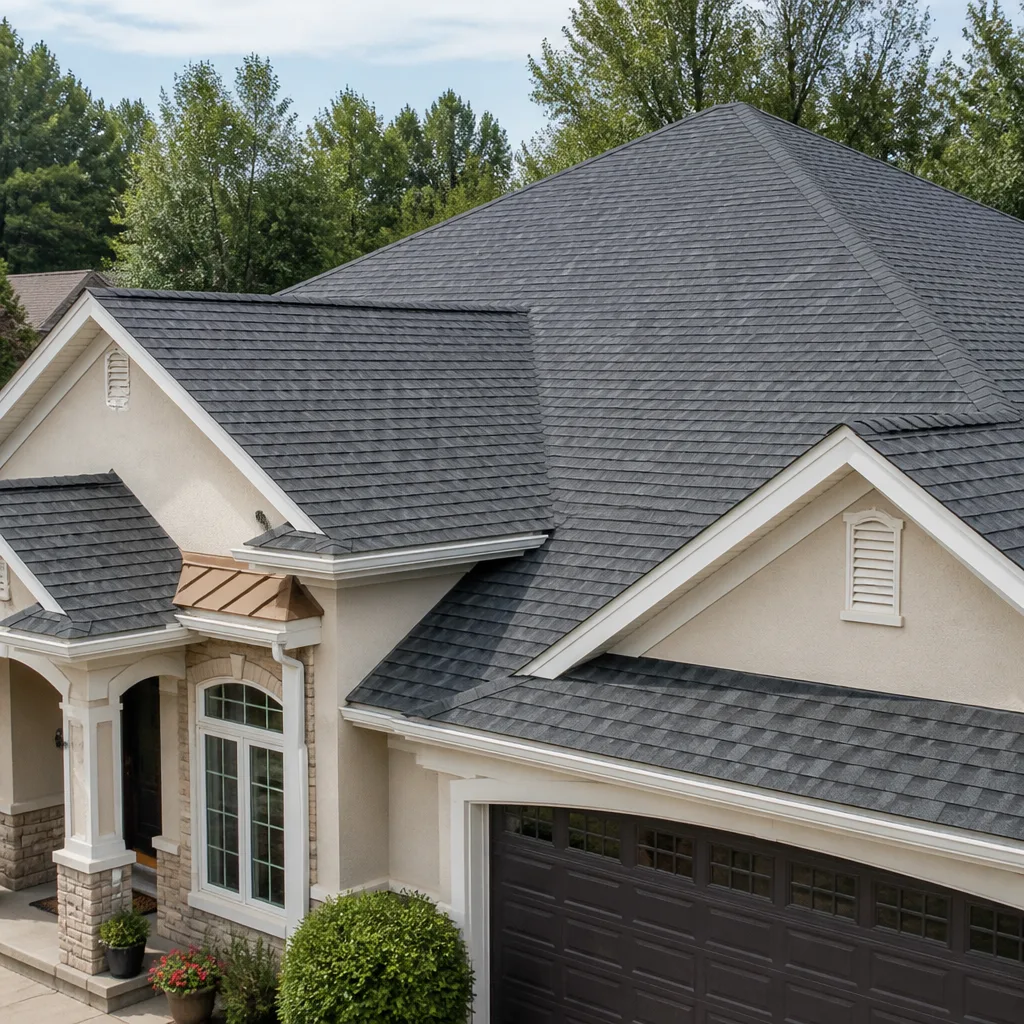 Architectural shingles
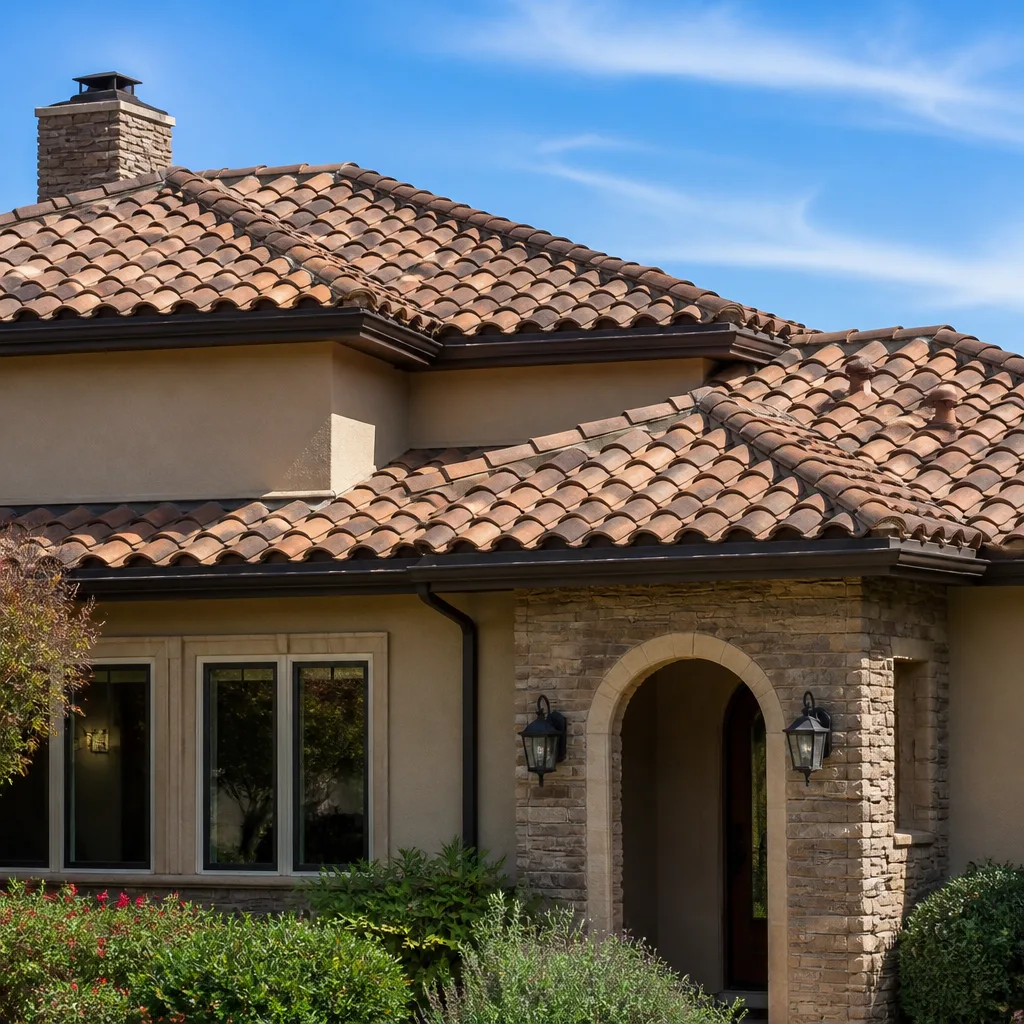 Tile roofing
 GAF
GAF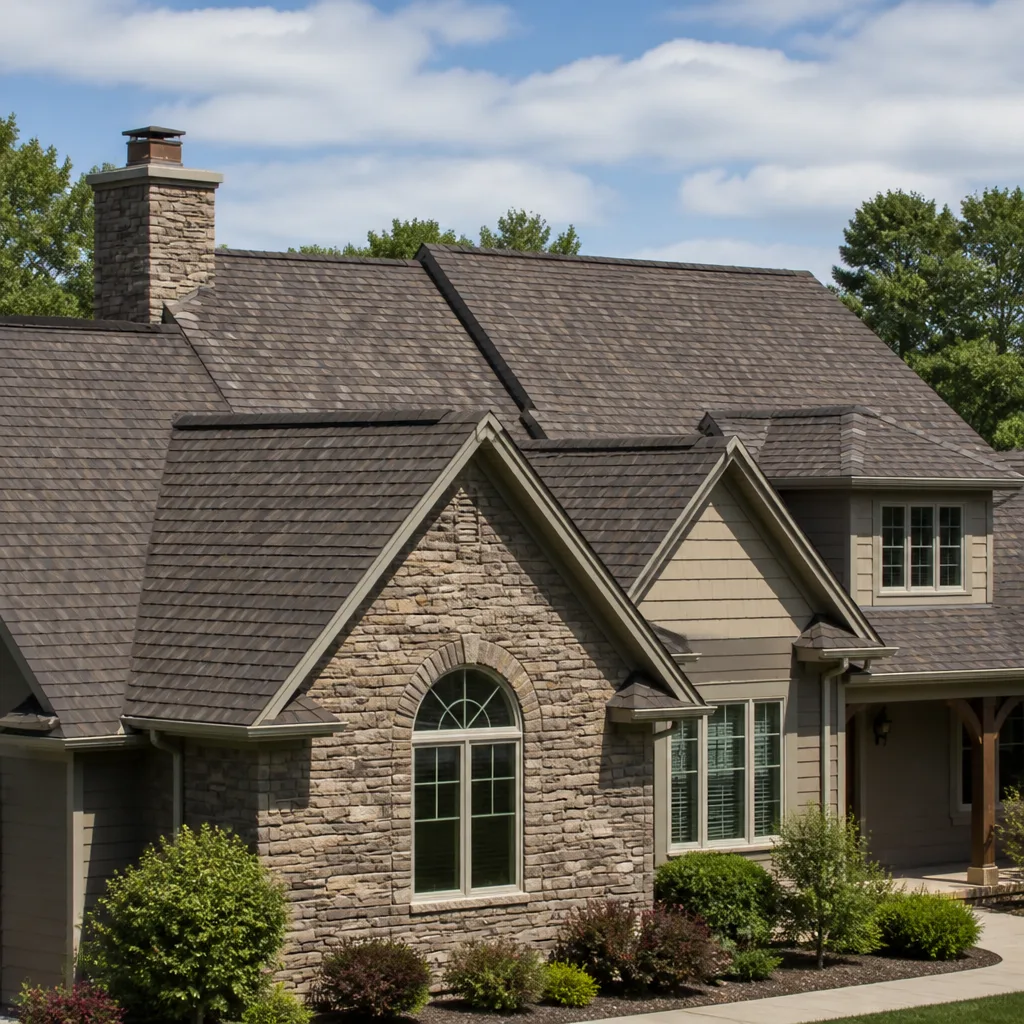 Owens Corning
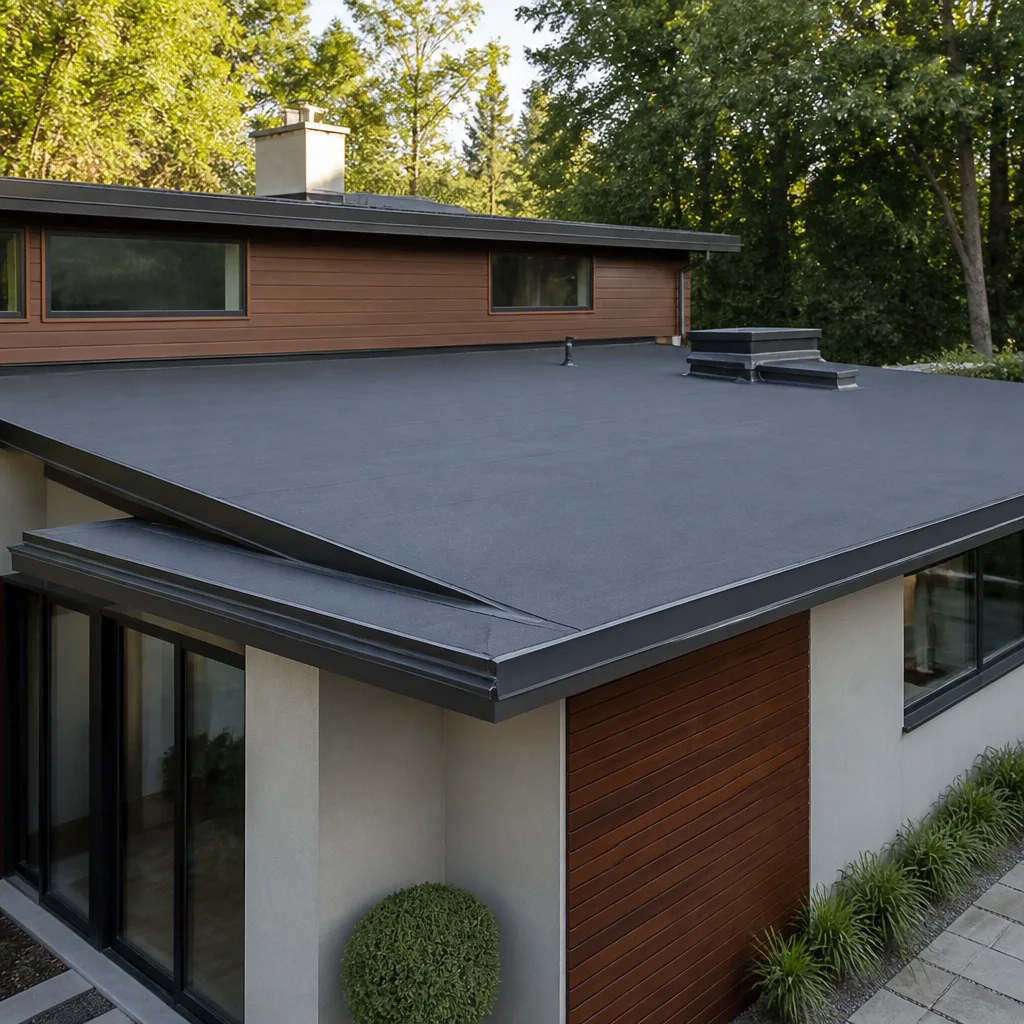 Flat & low-slope
Free roof inspection with deck photos before we talk money - GAF and Owens Corning certified installation
Roofing Permits, Codes & Inspections in CA: What You Need to Know
Most California homeowners don’t realize their city has its own roofing rules until the inspector is already standing in the driveway. A re-roof in the City of Los Angeles, a re-roof in Pasadena, and a re-roof in unincorporated LA County are three different permit processes with three different inspection timelines. A contractor who knows Los Angeles roofing but has never pulled a permit in Burbank can cost you weeks of delay. This guide maps the permit landscape specifically for Los Angeles County’s fragmented jurisdictions, explains Title 24 cool-roof compliance, walks through the inspection sequence, and shows you what unpermitted work actually costs when you sell. For a broader overview, see The Complete Guide to Roofing in Los Angeles.
Styles & brands we work with
Quick Answer
Most re-roofing projects in California require a building permit, with narrow repair exemptions that many homeowners and contractors misapply. In Los Angeles County, permit requirements, fees, and inspection timelines vary by jurisdiction, and unpermitted roofing work becomes a documented disclosure problem at resale. You need a contractor who knows which jurisdiction you’re in and what that specific city requires before the first shingle comes off. For Roofing Warning Signs: A Los Angeles Homeowner’s Reference Guide, check our earlier coverage.
Table of Contents
- When California Law Requires a Roofing Permit (and When It Doesn’t)
- Los Angeles County’s Fragmented Permit Landscape
- Title 24 Cool-Roof Requirements for Permits Pulled After 2023
- The Inspection Sequence for a Permitted Re-Roof
- How Unpermitted Roofing Work Affects Your Property Disclosure and Resale
- Wildland-Urban Interface Zones in LA County and Fire-Rated Roofing
- Common Mistakes to Avoid
- When to Call a Professional
- Frequently Asked Questions
- The Bottom Line
When California Law Requires a Roofing Permit (and When It Doesn’t)
California Building Code (CBC) Section 105.1 requires a permit for any roof work that involves structural changes, replacement of roof sheathing, or installation of a new roof covering over an existing one. That means a full tear-off and re-roof always requires a permit in every jurisdiction in the state. The same applies when you’re adding a second layer of shingles over an existing layer, though many California cities have banned that practice outright due to weight and fire concerns.
The repair exemption is where things get murky. The code allows repairs without a permit when the work is limited to patching or replacing less than a certain percentage of the roof surface in a 12-month period. In the City of Los Angeles, that threshold is 25% of the total roof area. Cross that line and you’re legally doing a re-roof, which means a permit is mandatory. Other cities in the county set their own thresholds, and some, like Santa Monica, have historically been stricter than the state baseline.
Why does the line matter for insurance? If a roof fails and your insurer discovers the replacement was done without a required permit, the claim can be denied on the grounds that unpermitted work constitutes a material change to the property. We’ve seen homeowners in Long Beach learn this the hard way after a winter storm lifted improperly fastened shingles. The insurance adjuster asked for the permit. There wasn’t one.
Here’s the practical rule: if the work involves replacing the roof covering, removing old material down to the deck, or replacing any plywood sheathing, assume a permit is required. If you’re patching a small area after a branch fall or resealing flashing around a vent, you’re likely within the repair exemption. When in doubt, call your local building department and ask. They’d rather answer a question than issue a correction later.
Los Angeles County’s Fragmented Permit Landscape
Los Angeles County contains 88 incorporated cities, plus unincorporated county areas, each with its own building department or a contract with the county for plan check and inspection services. The City of Los Angeles operates its own Department of Building and Safety (LADBS). Pasadena, Burbank, Glendale, Long Beach, Santa Monica, Torrance, and others all run their own shops. Unincorporated areas like Altadena, East Los Angeles, and Marina del Rey are served by LA County Building and Safety.
What that means in practice:
- City of Los Angeles (LADBS): Online permit application through the ePlanLA system. Re-roof permits for a standard shingle replacement typically issue within a few days to two weeks. Fees for a 2,000 square foot roof generally run $400 to $700. Inspections are scheduled through the city’s online portal, and you can usually get a roof inspection within a week of request.
- Pasadena: Requires a plan submittal for most re-roofs, even when the roof layout isn’t changing. Their plan check turnaround has historically been slower than LADBS, sometimes two to three weeks for a simple re-roof. Pasadena also enforces stricter historic district rules in neighborhoods like Bungalow Heaven, where roofing material changes on contributing structures require additional review.
- Unincorporated LA County: Generally faster and less expensive than the City of Los Angeles. Permits are handled through the county’s EPIC-LA portal. Fees for a standard re-roof often run $300 to $500, and inspections can sometimes be scheduled within 48 hours.
- Santa Monica: Known for rigorous enforcement. Their building department requires detailed submittals, and they inspect more aggressively on Title 24 compliance than many neighboring jurisdictions.
The takeaway: a contractor who says “I know how Los Angeles works” may be telling the truth and still be unprepared for your specific city. At Mercer Roofing Co Los Angeles, we pull permits in every jurisdiction across the county, and we tell homeowners up front which city’s process they’re actually under. The city line matters more than most people think. A house on one side of San Vicente Boulevard in Mid-City follows LADBS rules. Cross into West Hollywood and you’re under a completely different building department with its own fee schedule and inspection culture.
Title 24 Cool-Roof Requirements for Permits Pulled After 2023
California’s Title 24, Part 6 Energy Standards require that most re-roofing projects in climate zones 6 through 16 meet minimum solar reflectance and thermal emittance values. Los Angeles County sits in climate zones 6, 8, and 9 depending on proximity to the coast. For steep-slope residential roofs, the standard after the 2022 code cycle (effective for permits pulled starting January 1, 2023) requires a minimum aged solar reflectance of 0.20 and thermal emittance of 0.75, unless an exception applies.
What does that mean in plain English? Your new shingles need to reflect enough sunlight to reduce heat gain in your attic, which lowers cooling loads and helps the state meet its energy goals. The good news: most major manufacturers now produce shingles that meet Title 24 cool-roof standards without any special testing or certification from the homeowner. CertainTeed’s Landmark Solaris line is a common choice in Los Angeles. GAF’s Timberline Cool Series shingles are CRRC-rated and widely stocked at local supply houses. Tamko also produces cool-roof rated options that satisfy the reflectance requirements for standard asphalt shingle applications.
If you’re installing clay tile, concrete tile, or metal roofing, the compliance path is different but generally straightforward. Many of these products have high natural reflectance and meet the standard without additional coatings. Boral’s concrete tile products, for example, are available in light colors that satisfy Title 24 requirements for steep-slope applications without any extra steps.
There’s an important exception worth knowing: if your roof is under a permitted solar panel array covering most of the surface, or if the structure falls below a certain threshold for conditioned floor area, the cool-roof mandate may not apply. Your contractor should verify this with the building department before assuming compliance. We’ve worked with homeowners in the San Fernando Valley whose roofs were partially shaded by mature trees and still had to meet the reflectance standard because the exception didn’t apply. The rule follows the climate zone map, not the shade pattern.
The Inspection Sequence for a Permitted Re-Roof
A permitted re-roof in Los Angeles County follows a predictable sequence. Understanding it before you start means no surprises when the inspector shows up. Here’s the step-by-step order we follow on every permitted job, drawn from our Seasonal Roofing Care for Los Angeles: Year-Round Homeowner’s Guide:
- Permit issuance and job card posting. The building department issues your permit, and the job card must be posted at the job site. In the City of Los Angeles, the card goes on the front of the house or in a visible window. Inspectors will not perform an inspection if the card isn’t posted.
- Tear-off and deck inspection (if applicable). If you’re replacing roof sheathing or if the old roof is being removed down to the rafters, the inspector needs to see the deck before underlayment goes on. They’re checking for rot, proper nailing patterns, and structural adequacy. This is called a “roof deck inspection” or “nailing inspection” depending on the jurisdiction.
- Underlayment inspection (where required). Some cities require an inspection after the underlayment is installed but before shingles go on. This is more common in Wildland-Urban Interface zones where fire-rated assembly requirements apply. The inspector verifies the correct underlayment type, overlap, and fastening.
- Final inspection. Once shingles, flashing, and ridge caps are installed, the inspector returns to verify the finished roof. They’re looking at nailing patterns, flashing details around penetrations and valleys, edge metal, and confirmation that the installed materials match what was specified on the permit application.
If the inspector fails the roof, you’re not charged a new permit fee, but you do lose time. A failed inspection means correcting the problem, calling for a reinspection, and waiting for the inspector’s schedule to open up. In the City of Los Angeles, reinspection requests typically require a $100 to $150 fee per visit after the first two attempts. In smaller jurisdictions like Burbank or Culver City, the reinspection fee is often lower, but the wait can be longer because those departments have fewer inspectors.
What does the inspector actually look at? The short answer: everything visible. They’ll check that shingle overhang at the eaves is between 1/4 inch and 3/4 inch. They’ll verify that valley flashing extends at least 11 inches from the centerline on each side. They’ll confirm that nails penetrate the deck by at least 3/4 inch and that nail heads are flush, not overdriven. A good inspector will also verify that pipe boot flashing is properly seated and that the ridge cap is nailed according to manufacturer specs. This is why hiring a crew that understands inspection standards matters. We’ve corrected roofs from other contractors where the shingling looked fine from the street but failed inspection for improper fastening at the rake edges.
How Unpermitted Roofing Work Affects Your Property Disclosure and Resale
When you sell a home in California, the seller’s disclosure statement asks directly whether any work was performed without required permits. Lying on that form is fraud. Disclosing unpermitted work opens the door to buyer demands for price reductions, escrow holdbacks, or retroactive permitting before closing. In a competitive Los Angeles market, unpermitted roofing work is consistently one of the top negotiation liabilities we hear about from real estate agents.
Here’s how it typically plays out. A buyer’s home inspector notes that the roof appears newer than the rest of the house. The buyer’s agent pulls the permit history from the building department. Nothing shows up. Now the buyer’s lender may flag the property because unpermitted improvements affect the appraisal and insurability. The buyer demands either a retroactive permit or a price reduction to cover the assumed risk. In strong markets, sellers sometimes get away with it. In normal markets, the seller eats the cost.
Retroactive permitting is possible in most Los Angeles County jurisdictions, but it’s not free. The building department will require you to open up sections of the roof so they can inspect what’s hidden. That means removing shingles, underlayment, and possibly sheathing. You’ll pay for the destruction, the inspection fees, the repairs, and a new permit. Total cost often runs two to three times what the original permit would have cost, and you’ve now spent weeks on a roof that was supposedly finished.
The lesson isn’t subtle. Any contractor who suggests skipping the permit to “save money” or “speed things up” is transferring risk from themselves to you. The permit is the document that proves the work was done legally and inspected by the authority having jurisdiction. It protects your insurance position and your resale value. At Mercer Roofing Co Los Angeles, every re-roof we install in Los Angeles or any surrounding city is fully permitted. We won’t do it any other way, because the homeowners we work with expect to sleep well after the job is done, not worry about what happens when they list the house.
Wildland-Urban Interface Zones in LA County and Fire-Rated Roofing
Large portions of Los Angeles County sit inside Wildland-Urban Interface (WUI) zones, where state law (California Building Code Chapter 7A) requires fire-rated roof assemblies. If your home is in the hills of Topanga, the canyons above Pasadena, the foothills of La Cañada Flintridge, or much of the Santa Monica Mountains, your roof is almost certainly subject to WUI requirements. The map matters because a standard Class A shingle roof may still not satisfy Chapter 7A unless the full assembly, including the underlayment, is rated for WUI use.
Class A is the highest fire rating under ASTM E108, and it measures how the roof assembly performs when exposed to a burning brand. But Chapter 7A goes further. It requires the entire roof system, including the deck, underlayment, and covering, to be tested as a unit for flame penetration and spread. You can’t just nail Class A shingles over any underlayment and call it compliant. The underlayment must be a rated product, and in many WUI applications, that means a cap sheet or a modified bitumen base sheet rather than standard 30-pound felt.
In practice, the materials most commonly used for WUI-compliant roofs in Los Angeles County are:
- Class A asphalt shingles from manufacturers like GAF, CertainTeed, and Owens Corning, installed over a fire-rated cap sheet or a listed WUI assembly. GAF’s Timberline HDZ line, for example, carries a Class A fire rating when installed as part of the manufacturer’s specified fire-rated assembly.
- Concrete and clay tile, which are inherently non-combustible and meet WUI requirements when installed with proper bird stops and eave closures. Boral concrete tile is a common choice for hillside homes in Los Angeles County.
- Standing seam metal roofing, which is non-combustible and carries strong fire performance ratings.
If you’re in a WUI zone and replacing a roof, your contractor needs to submit a roof assembly detail showing the specific products and installation method that meet Chapter 7A requirements. The building department will verify that detail during plan check. We pull WUI-compliant permits regularly for homes in the San Gabriel foothills and the canyons off the 405. The requirement isn’t optional, and inspection failures on WUI projects are almost always due to an underlayment mismatch, not the shingle itself.
For homeowners in WUI zones, fire-rated roofing is more than a code requirement. It’s insurance. Many California insurers now require proof of a Class A or WUI-compliant roof before writing or renewing a policy. If you’re in a high-risk zone and your roof was installed with non-compliant materials, you may be uninsurable through standard carriers. That’s a conversation worth having before you sign any roofing contract.
Common Mistakes to Avoid
- Assuming a repair exemption applies to a large patch. In the City of Los Angeles, anything over 25% of the roof area in a 12-month period is legally a re-roof, not a repair. Contractors who patch half a roof and call it maintenance are setting you up for a disclosure problem.
- Not verifying which building department has jurisdiction. A home in unincorporated Altadena follows LA County rules, but a home five blocks away in Pasadena follows a completely different process. Your contractor should tell you which department you’re under before work starts. If they can’t answer that question, that’s a red flag.
- Skipping the permit to save money. A re-roof permit in Los Angeles County typically costs $300 to $700. The retroactive permit process after a sale dispute can cost $2,000 or more once you factor in destructive inspections and repairs. The math doesn’t work in favor of skipping.
- Installing the wrong underlayment in a WUI zone. Fire-rated shingle assemblies require rated underlayment. Using standard felt voids the assembly rating and fails inspection. This is the most common WUI inspection failure we see.
- Not confirming Title 24 compliance before ordering materials. If you order standard three-tab shingles for a home in climate zone 9 and the permit requires a cool-roof product, you’ve bought a roof you can’t legally install. Confirm compliance before materials hit the driveway.
- Trusting a contractor who says “we’ve never had a problem with that city.” Building departments change processes, inspectors rotate, and code interpretations shift. The right answer is “here’s the current requirement from the building department for your address,” not a boast about past jobs.
- Not keeping the permit and inspection records. When you sell, you’ll need proof the work was permitted and passed final inspection. Keep the job card, the permit number, and the final sign-off. We provide every homeowner with a copy of all permit documentation at project close.
When to Call a Professional
Roofing permits, code requirements, and inspection standards are not something most homeowners should navigate alone. If you’re planning a re-roof anywhere in Los Angeles County, or if you’re buying a home and the roof looks newer than the permit history shows, call a licensed contractor who pulls permits in your specific jurisdiction every week. If you’re in a WUI zone, or if you’re unsure whether your roof meets Title 24 cool-roof standards, the answer is the same. Mercer Roofing Co Los Angeles offers free estimates in Los Angeles and the surrounding county, and we handle permits, inspections, and documentation on every job. Every technician who arrives at your door is background-checked, identity-verified, and badged under the Threshold Verified standard, and you’ll receive their name and photo before they come out. Call (213) 521-8272 to schedule your free estimate.
Frequently Asked Questions
Yes, a full roof replacement requires a building permit in the City of Los Angeles and every other jurisdiction in Los Angeles County. The permit is issued by LADBS within the city limits or by the local building department if you live in an incorporated city like Pasadena or Burbank. Repair work covering less than 25% of the roof area in a 12-month period may qualify for an exemption, but anything beyond that threshold is a re-roof and requires a permit. Call (213) 521-8272 if you’re unsure whether your project crosses the line, and we’ll help you determine the right path, or browse more guides & resources.
A standard re-roof permit in the City of Los Angeles typically costs between $400 and $700 for a 2,000 square foot roof. Unincorporated LA County areas often run lower, in the $300 to $500 range. Incorporated cities like Pasadena and Santa Monica set their own fee schedules, which can vary. The permit fee is separate from the cost of materials and labor. Call (213) 521-8272 for an exact quote on your specific project, and we’ll include the permit cost in your written estimate.
Unpermitted roofing work must be disclosed on the seller’s disclosure statement, and it becomes a negotiating liability. Buyers may demand a retroactive permit, a price reduction, or an escrow holdback to cover the cost of bringing the work into compliance. In some cases, lenders flag the property and delay closing. The cost of retroactive permitting often runs double or triple the original permit fee because it requires destructive inspection. Call (213) 521-8272 if you’re dealing with unpermitted roofing work and need a path to compliance.
Yes, if your home is in California climate zones 6 through 16, which covers all of Los Angeles County, your new roof must meet Title 24 cool-roof standards for solar reflectance and thermal emittance. Most modern shingle products, including cool-roof rated lines from GAF, CertainTeed, and Tamko, meet these requirements without special handling. Your contractor should confirm compliance before ordering materials. Call (213) 521-8272 for help selecting a compliant product for your home.
A Wildland-Urban Interface zone is an area where homes are at elevated risk from wildfires, and California law requires fire-rated roof assemblies in these zones. Many hillside and canyon communities in Los Angeles County, including parts of Topanga, La Cañada Flintridge, and the Santa Monica Mountains, are WUI zones. You can check your property’s WUI status through your local fire department or building department. If you’re in a WUI zone, your roof must meet Chapter 7A fire-rated assembly requirements, not just Class A shingle standards. Call (213) 521-8272 for help determining your home’s classification.
Plan for the permit to take anywhere from a few days to three weeks depending on your jurisdiction, and the physical work typically takes 2 to 5 days for a standard single-family home in Los Angeles. Inspection scheduling adds time on the back end, usually a week or less. The full process from permit application to final sign-off commonly runs 3 to 6 weeks. Call (213) 521-8272 for a realistic timeline based on your specific city and roof condition.
California law allows homeowners to act as their own contractor on their primary residence if they perform the work themselves, but roofing is physically demanding, and a failed inspection or improper installation can void your insurance coverage. High-pitched roofs, two-story homes, and WUI zone requirements add risk that most homeowners aren’t equipped to handle. If you’re determined to go this route, confirm the owner-builder rules with your building department first. For a Roof Repair in Los Angeles or a full replacement, a licensed contractor will handle the permit, the inspection, and the liability.
The Bottom Line
California’s roofing permit system varies by city, and Los Angeles County is one of the most fragmented markets in the state. A re-roof in the City of Los Angeles follows LADBS rules. A re-roof in Pasadena follows a different process with different fees and timelines. The permit is your legal proof that the roof was installed to code, and skipping it creates insurance and resale problems that cost far more than the permit ever would. Title 24 cool-roof requirements and WUI fire-rated assemblies add another layer of compliance that your contractor should handle as a matter of routine. Roof Installation in Los Angeles should come with full permitting, documented inspections, and a written record of everything. That’s how we work at Mercer Roofing Co Los Angeles home, and it’s what every homeowner deserves.
Written by Grant Whitlock, Owner at Mercer Roofing Co Los Angeles, serving Los Angeles since 2000.
See the difference
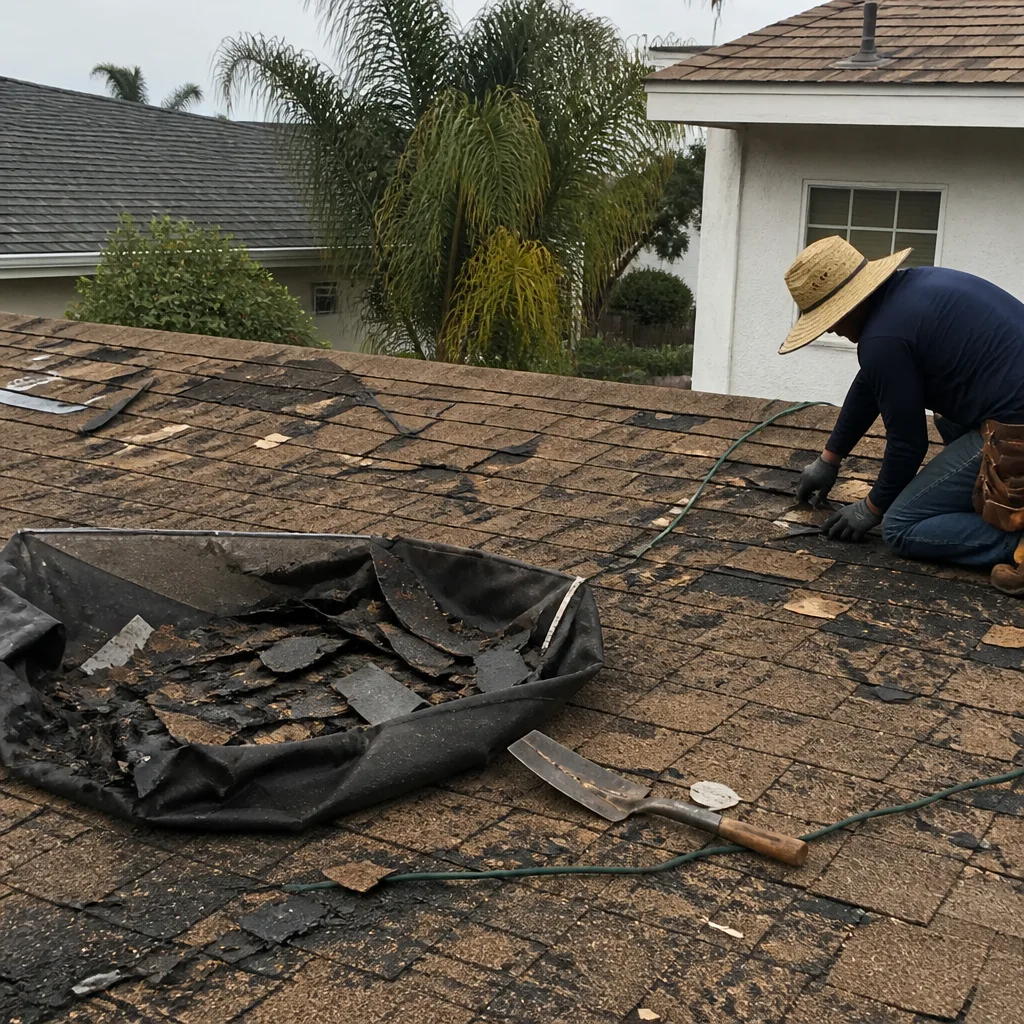 Before
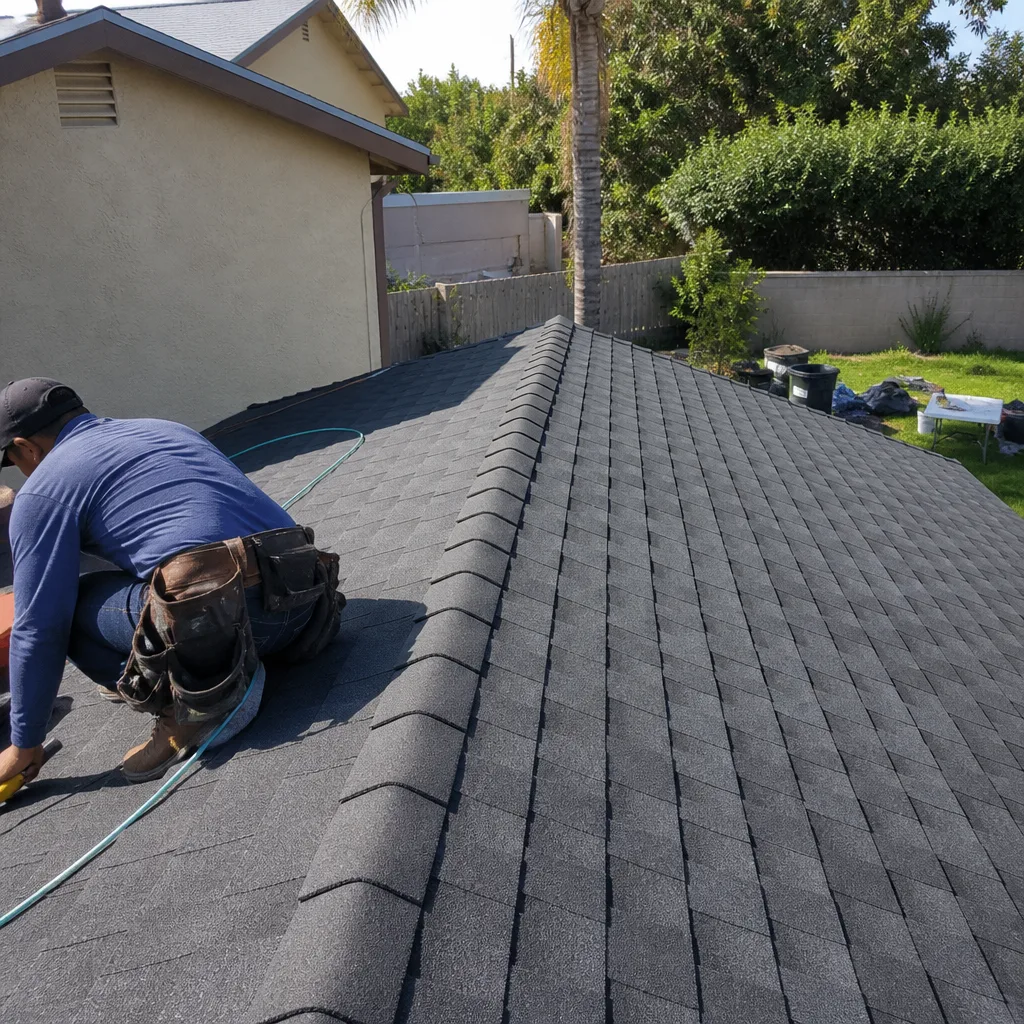 After
After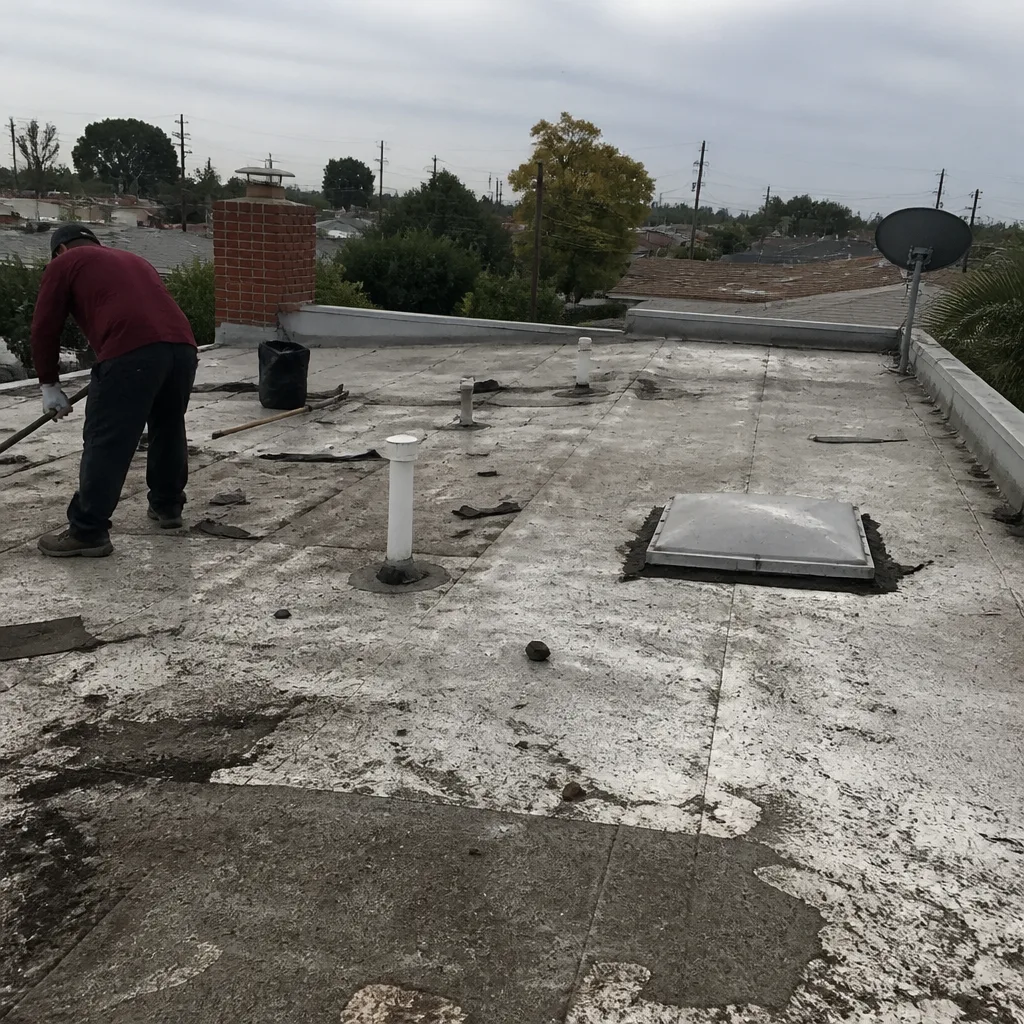 Before
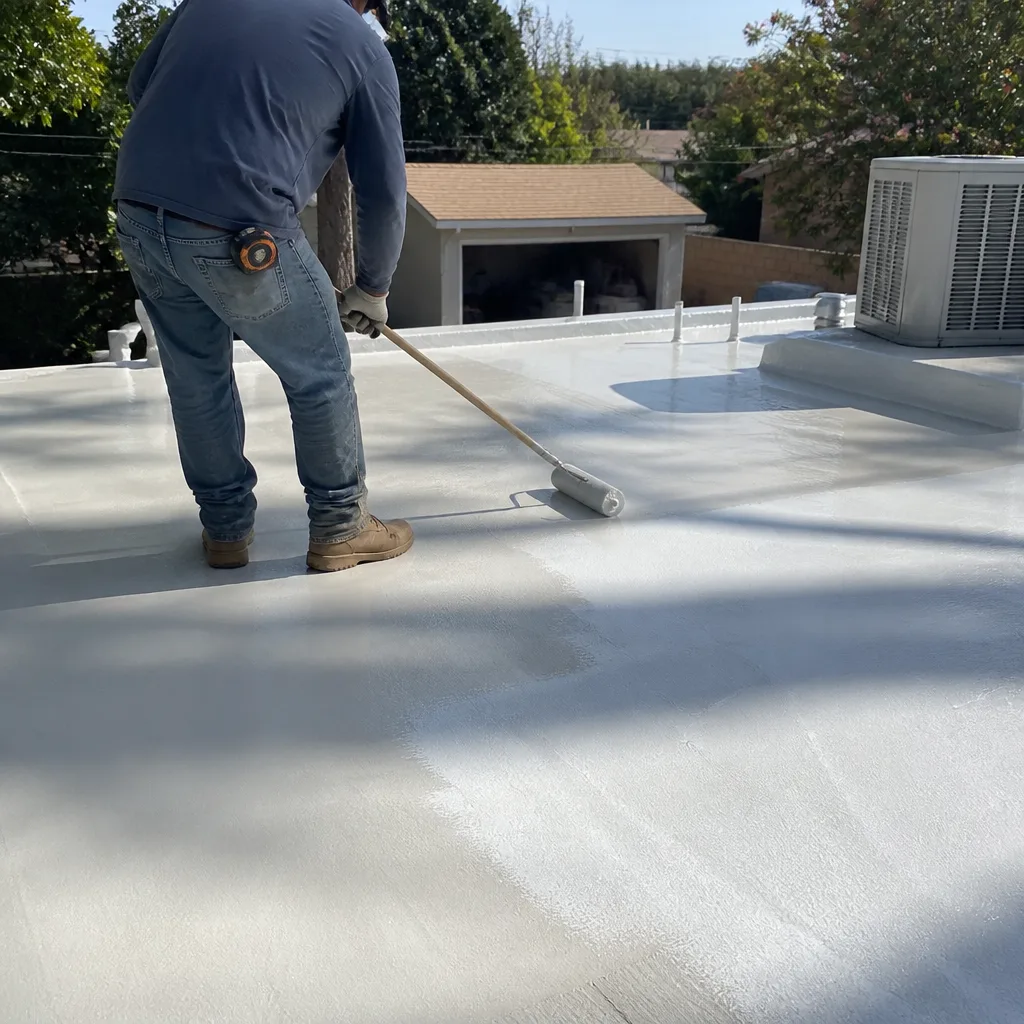 After
After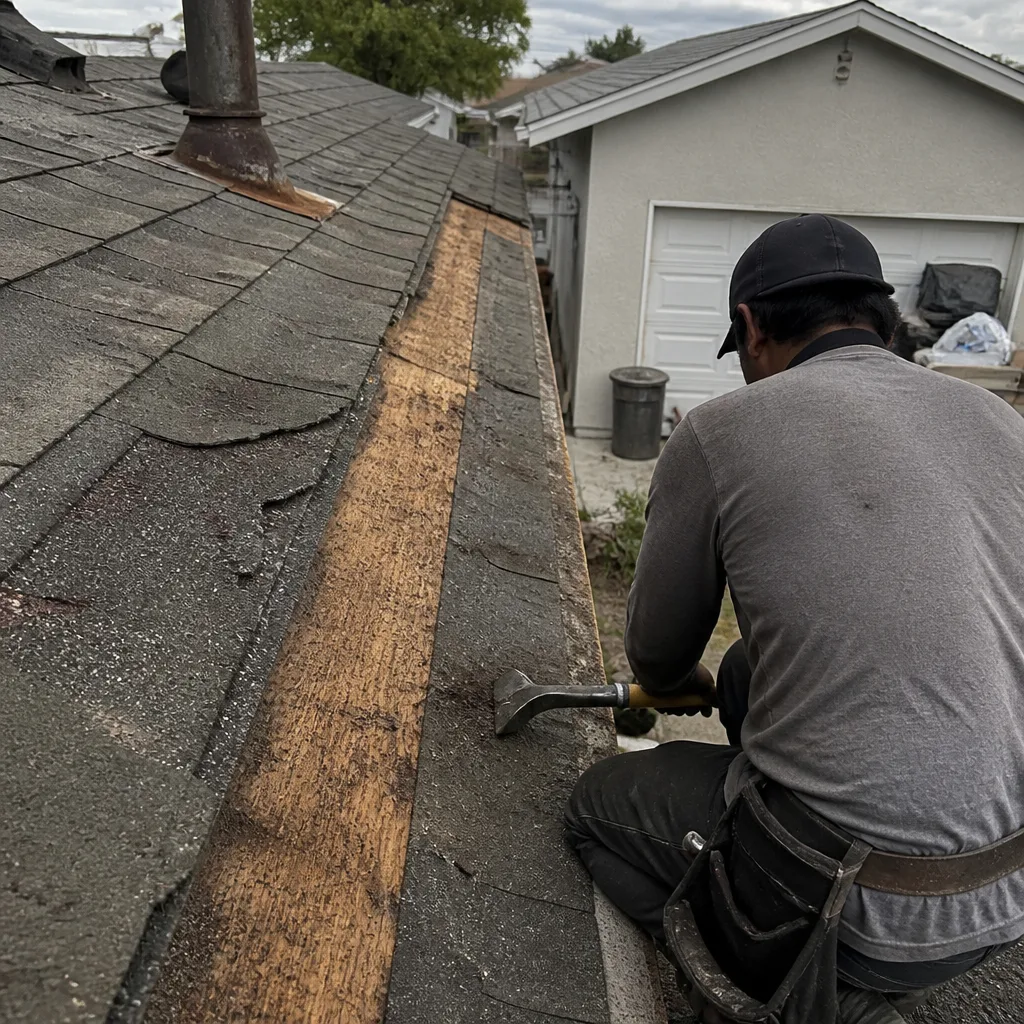 Before
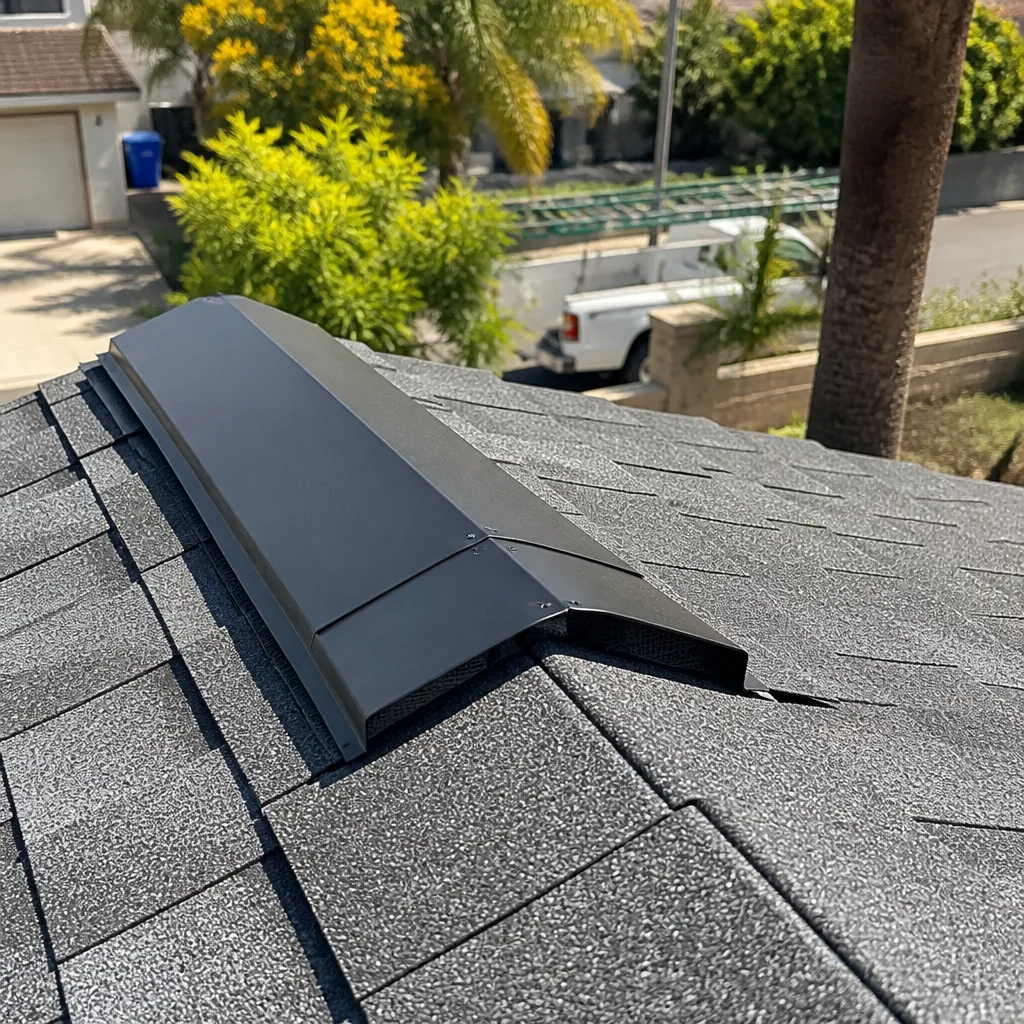 After
After