

Last updated October 17, 2026
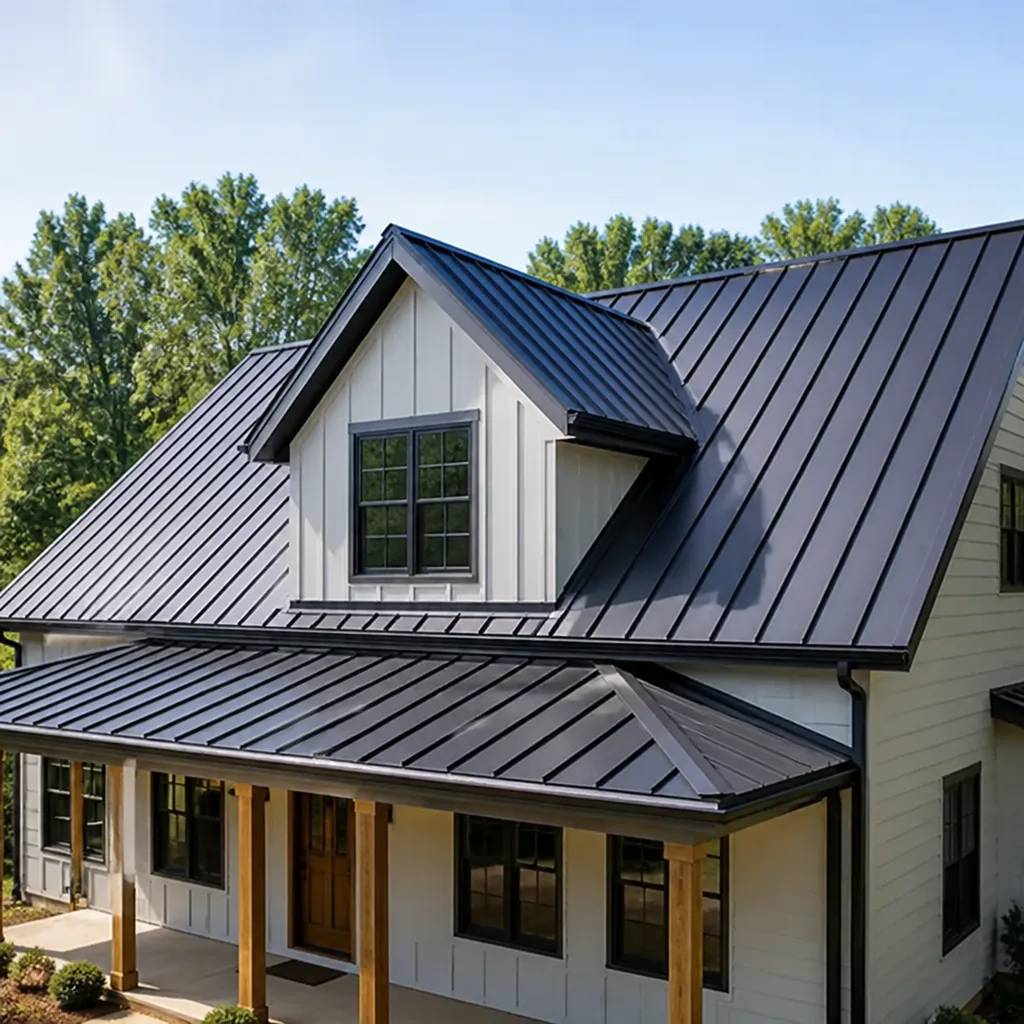 Metal roofing
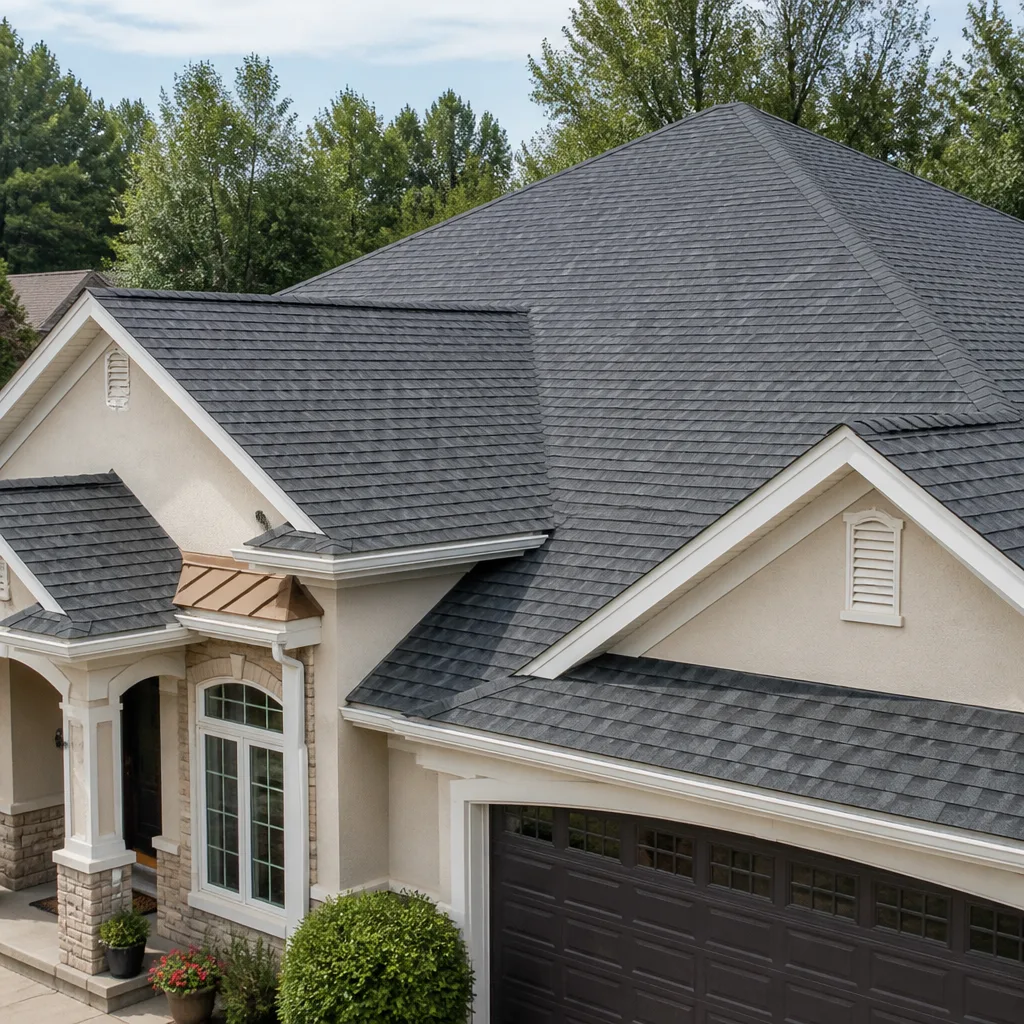 Architectural shingles
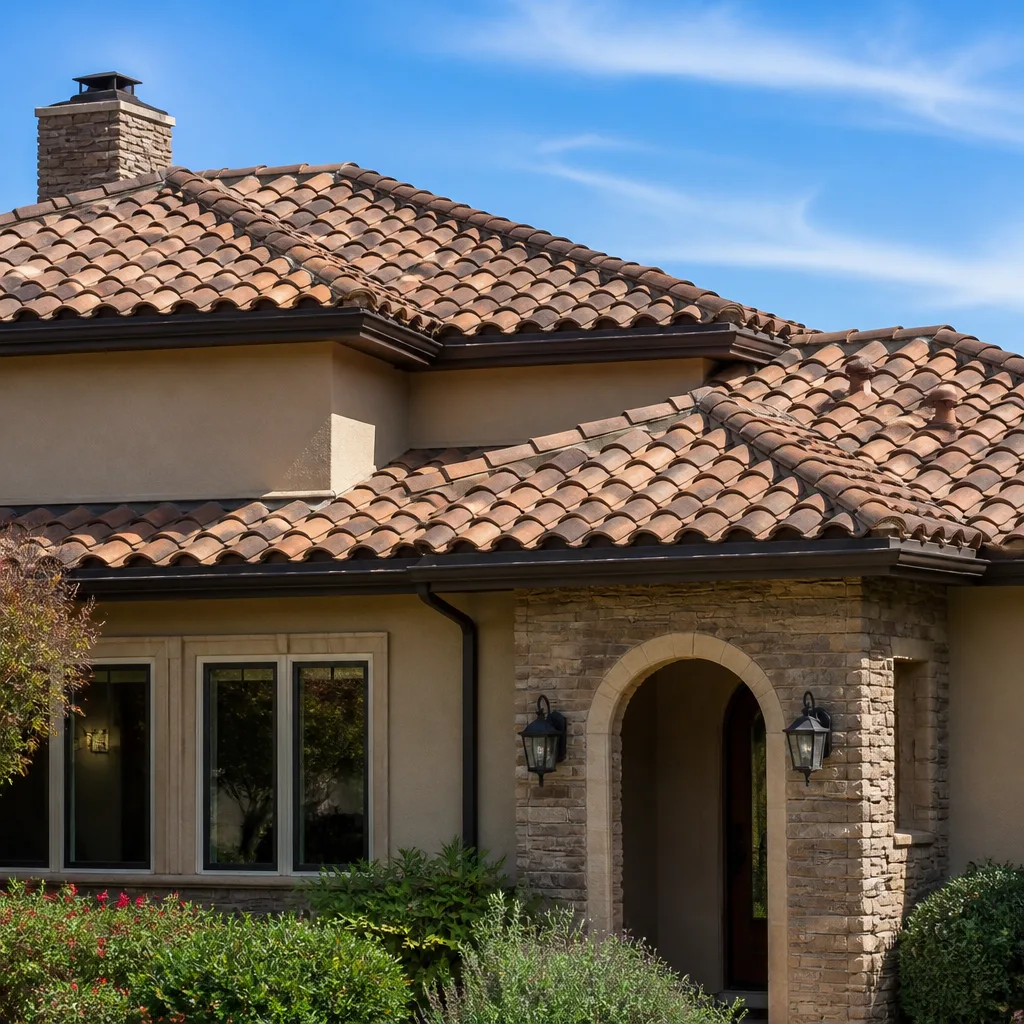 Tile roofing
 GAF
GAF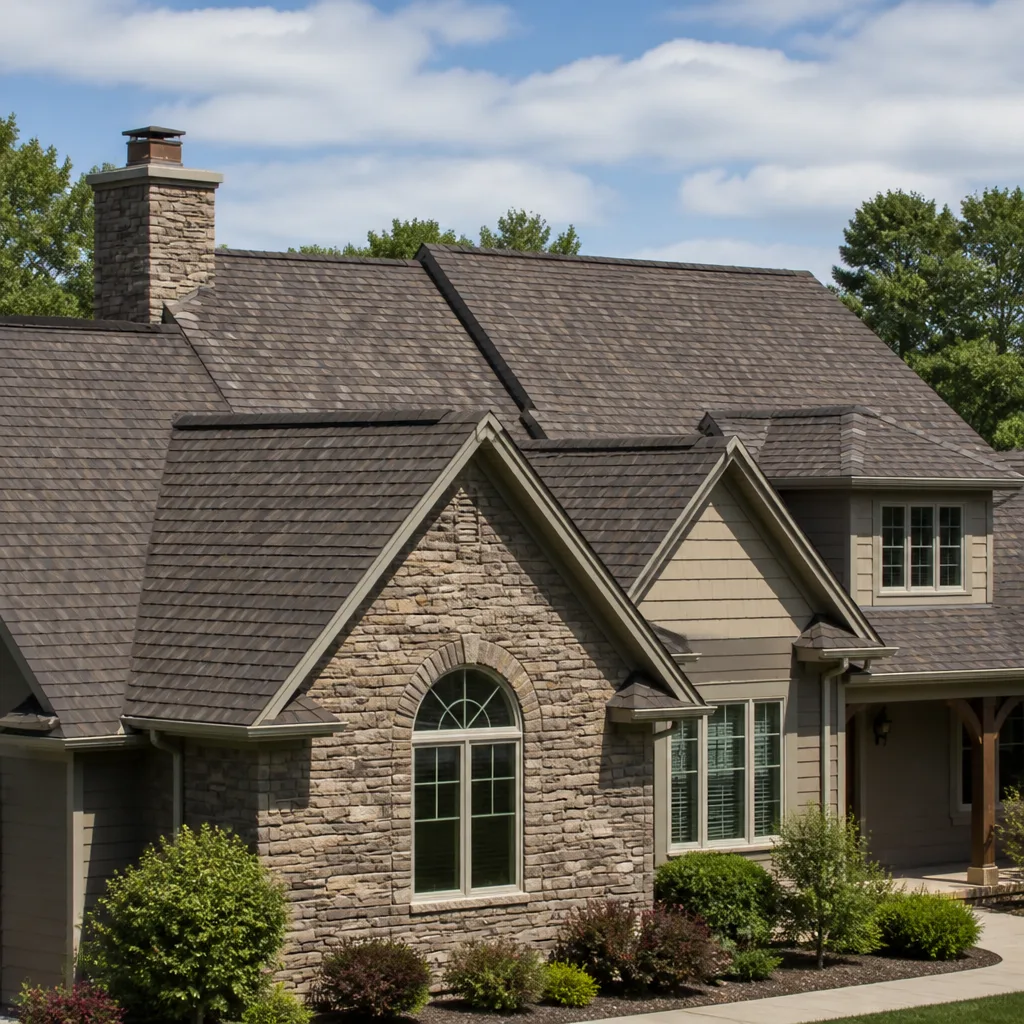 Owens Corning
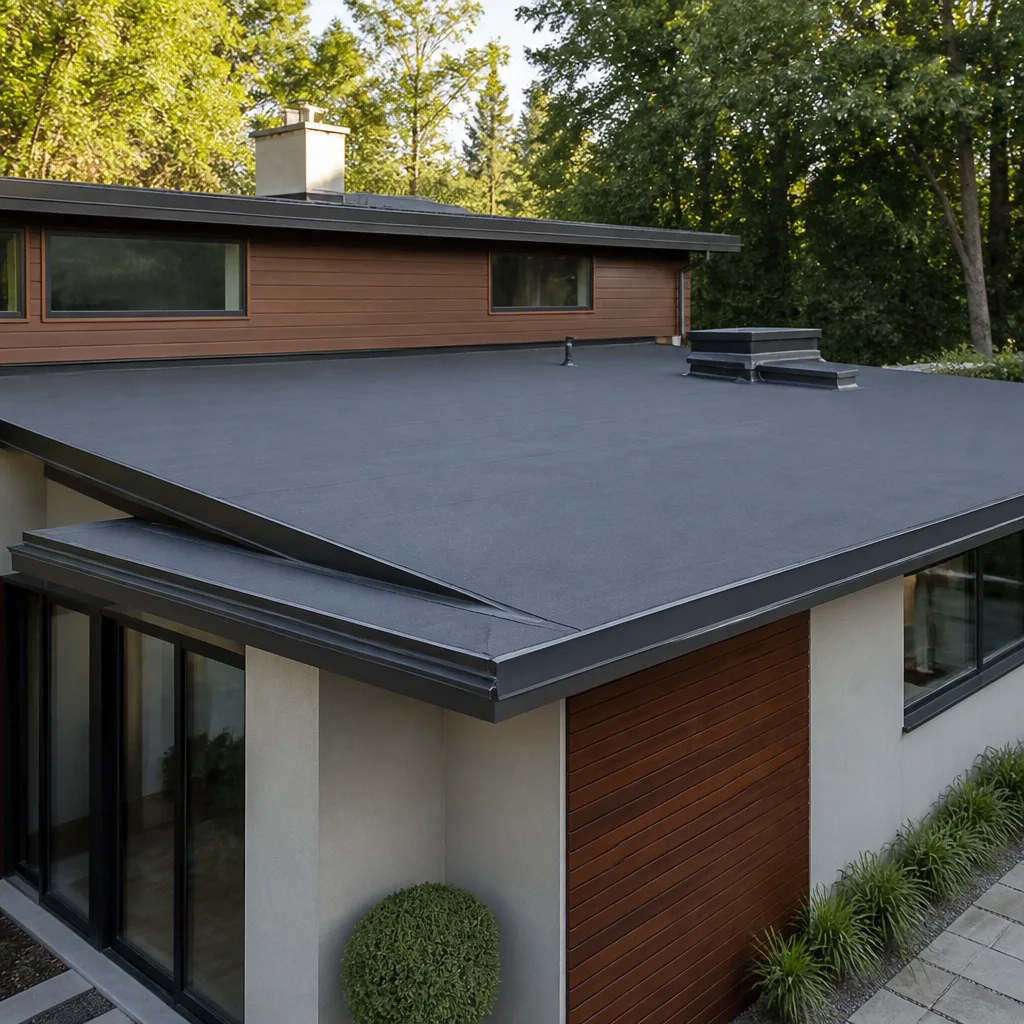 Flat & low-slope
Free roof inspection with deck photos before we talk money - GAF and Owens Corning certified installation
How to Hire a Roofing Contractor in Los Angeles: A Step-by-Step Guide
In 2023, the California Contractors State License Board logged over 19,000 complaints against unlicensed contractors across the state, and many of those complaints shared a common thread: the homeowner never saw the problem coming until someone was already on their property. The real hiring risk in Los Angeles isn’t just shoddy workmanship. It’s opening your front door to a person you know nothing about. This guide walks you through hiring a roofing contractor in Los Angeles with a personal-safety-first approach, covering license verification, the questions that expose change-order contractors, the contract terms that protect you in writing, and the red flags that spike after every LA storm and fire season. For more guides & resources, visit our blog.
Quick Answer
To hire a roofing contractor in Los Angeles, start by verifying the company’s California contractor license at CSLB.ca.gov and confirming the license status reads “active” with no pending suspensions. Then request the name and photo of every technician who will visit your property before the appointment, require a written line-item price before any work begins, and confirm the contract includes scope, material brands, start and end dates, a payment schedule, and lien waiver terms. In our experience, a legitimate Los Angeles contractor responds to these requests without hesitation; a contractor who dodges any of them is telling you something useful.
Styles & brands we work with
Table of Contents
- Step 1: Verify the California Contractor License in Under Two Minutes
- Step 2: Know Exactly Who Is Coming to Your Door
- Step 3: Ask Questions That Separate Honest Pricing From Change-Order Bait
- Step 4: Get a Complete Written Contract Before Work Starts
- Step 5: Recognize the Red Flags Specific to Los Angeles
- Step 6: Understand Los Angeles Roofing Materials and Real Price Ranges
- Step 7: Structure Payment Schedules and Protect Against Liens
- Step 8: What to Expect After the Work Is Done
Step 1: Verify the California Contractor License in Under Two Minutes
California requires any contractor performing work valued at $500 or more in combined labor and materials to hold a valid contractor license issued by the Contractors State License Board. Roofing contractors in Los Angeles need a C-39 roofing classification on that license. The verification process is straightforward, and there is no excuse for skipping it.
- Go to CSLB.ca.gov and click “Check a License” on the homepage.
- Enter the contractor’s business name or license number. You can search by the name of the person who signed your estimate.
- Look at the license status. You want to see “Active.” If it reads “Suspended,” “Revoked,” “Expired,” or “Cancelled,” stop right there.
- Check the “Bond” and “Workers’ Comp” fields. A valid contractor should show an active bond; if they have employees, workers’ compensation insurance should also be active. A missing workers’ comp policy means an injured worker on your Los Angeles property could come after your homeowner’s insurance.
- Compare the business name on the license to the name on the proposal and the name on the person’s ID. Mismatches are a bright red flag.
One thing that trips up Los Angeles homeowners: the difference between “active” and “clear.” An “active” license means the contractor may legally operate. It does not mean the license has a spotless record. You can click into the license detail page to see any disclosed complaints, citations, or suspensions. Many homeowners never click past the first page. Take the extra thirty seconds.
We recommend doing this check before you invite anyone to your home for an estimate, not after. By the time a contractor is standing in your living room handing you a proposal, the social pressure to say yes is already working against you. The Roofing Company in Los Angeles guide covers more of what separates established local contractors from out-of-state operators.
Step 2: Know Exactly Who Is Coming to Your Door
The most underused safety step in Los Angeles roofing is also the simplest: ask for the name and photo of every technician who will be on your property before the appointment. Legitimate companies respond to this request the way a good restaurant responds to a reservation confirmation, with a quick yes and the information attached. Companies that resist, delay, or act confused by the question are communicating something important about their operations.
Here is what that request looks like in practice: when you book an estimate, ask the person on the phone to send you a text or email with the name and photo of the technician who will arrive. When the doorbell rings, check the person against that photo before you open the door. If the person at the door doesn’t match, politely close the door and call the office. This is not paranoia. It’s the same verification you’d do for any other stranger entering your home, and a roofing job means that stranger will be on your property for hours, often with access to your roof, your backyard, and sometimes your interior.
This is precisely the gap Mercer Roofing Co Los Angeles was built to close. Every technician is background-checked, identity-verified, and dispatched under the Threshold Verified standard, which each independently owned location is contractually held to. Before a visit, you receive the technician’s name and photo. At the door, that technician badged in with a photo ID. No mystery crew. No unannounced subcontractors. For homeowners who are often alone, parents with young children, and older homeowners who want proof at the door, this single practice changes the entire experience of hiring a contractor.
If a contractor says they’ll “send someone out” without offering names, you are allowed to say no. A company that won’t tell you who is coming to your home is not a company you owe your business to.
Step 3: Ask Questions That Separate Honest Pricing From Change-Order Bait
Most roofing contractors are pleasant during the estimate. The problems surface later, when the work begins and the invoices arrive. The questions below are designed to expose, before you sign, whether a contractor prices accurately or relies on low-balling and change-ordering after the work starts. Ask these on the phone before scheduling, or during the first ten minutes of the estimate.
- “Will I receive a written price before any work begins?” The answer must be yes. Not “we’ll see once we open it up.” Not “it depends on what we find.” A roofer who has inspected your roof should be able to write a complete price. At Mercer Roofing, a written price is provided before any work starts, every time, with no surprises on the invoice.
- “What happens if you discover additional damage after the job starts?” Good contractors handle this in the contract upfront, usually with a written change-order process that requires your signature before any additional work proceeds. Bad contractors just do the work and bill you later. That second behavior is how a $12,000 roof becomes an $18,000 roof.
- “Who will be on my property, and are they your employees or subcontractors?” If the company uses subcontractors, ask for those names and their license numbers too. A subcontractor without their own license and workers’ comp creates liability that lands on you.
- “What manufacturer brands do you install, and what are the exact product names?” Roofing shingles vary significantly by weight, warranty length, and price. If a contractor says “we use whatever is cheapest” or won’t name the brand, move on. Reputable companies install specific products and tell you which ones. Mercer works with GAF, CertainTeed, Owens Corning, and other manufacturer-recognized brands, and the specific product name goes in your contract.
- “When will the job start, and how long will it take?” Los Angeles weather allows year-round roofing, so a contractor who cannot commit to a start window is likely juggling too many jobs. Specific dates belong in the contract, not in a verbal promise.
- “How do you handle the existing roof? Tear-off or overlay?” In many parts of Los Angeles, building code allows overlaying a second layer of shingles on top of the first. But an overlay hides the decking underneath. A tear-off exposes the wood decking so it can be inspected and replaced if necessary. The cheapest bid is often an overlay that skips this inspection. Ask directly.
The goal is not to interrogate a contractor into discomfort. The goal is to watch how they respond to direct questions. A contractor who welcomes them is a contractor who has heard them before and has answers. One who deflects is telling you how the rest of the job will go. Our Roof Repair in Los Angeles page walks through the same principles for smaller jobs where homeowners often skip the questions entirely, and that is a mistake.
Step 4: Get a Complete Written Contract Before Work Starts
A verbal handshake is not a contract in California, and neither is a one-page estimate with a single line that says “roof replacement: $14,000.” The contract is where every conversation you had during the estimate gets turned into enforceable terms. In Los Angeles, where roofing jobs can range from $8,000 for a simple repair to $40,000 or more for a full replacement on a hillside home, the cost of an incomplete contract is measured in real dollars. See our Roofing Cost Breakdown: The Los Angeles Homeowner’s Reference for 2026 for detailed pricing guidance.
A complete written contract must include all of the following:
- Full scope of work. Every task, in writing. Tear-off of existing roof, haul-away of debris, decking inspection, decking replacement if needed, underlayment installation, flashing replacement, shingle installation, gutter cleaning, final cleanup. If it’s not written, it wasn’t promised.
- Materials by brand and specific product name. “GAF Timberline HDZ shingles, 50-year limited warranty” is a specific commitment. “Quality shingles” is not.
- Start and end dates. California law requires a contractor to include the approximate start date and a reasonable completion date in the contract. Insist on both.
- Payment schedule. California caps the down payment at 10% of the total or $1,000, whichever is less. Never pay more than that before work begins. Progress payments should be tied to completed milestones, not to time elapsed.
- Lien waiver terms. A mechanics lien waiver confirms that the contractor, subcontractors, and material suppliers have been paid for work completed to date and releases your property from any lien claims for those amounts. In Los Angeles, where material suppliers routinely place liens on homes when contractors fail to pay their supply bills, this clause is non-negotiable.
- Change-order process. The contract must state that any additional work requires a written change order signed by you before the work begins. If the contractor won’t include this, do not sign.
- Cleanup and debris removal. Old shingles, nails, and flashing debris should be hauled away. Specify who pays for the dump fees and where the dumpster sits.
- Warranty terms in writing. Separate the manufacturer’s warranty on materials from the contractor’s warranty on workmanship. Manufacturer warranties cover defects in the shingle itself. Workmanship warranties cover installation errors. Both should be in writing.
Mercer Roofing includes a written guarantee on every repair, and the 365-Day Done Right Promise covers the workmanship for a full year after the job. If it’s not right within that year, we make it right, at no charge. That’s the standard that should be written into every Los Angeles roofing contract, and if a contractor’s workmanship warranty is missing or vague, you are accepting risk you don’t need.
Step 5: Recognize the Red Flags Specific to Los Angeles
Los Angeles has two recurring waves that attract bad roofing contractors: heavy winter storms and wildfire-adjacent damage. After every major rain event and every fire season, out-of-state “storm chasers” and unlicensed door-knockers sweep through LA neighborhoods with the same playbook. They pressure. They discount. They disappear.
- The unsolicited door knock. A roofer who knocks on your door claiming they were “in the neighborhood and noticed your roof” is working a script, not a legitimate business model. Established Los Angeles contractors don’t cold-knock; they don’t need to.
- The pressure timeline. “The price is only good if you sign today.” Reputable contractors give written prices that hold for a reasonable period. A price that evaporates at the door is a sales trick, not an estimate.
- The “insurance specialist” claim. After storms or fires, contractors appear who promise to handle your insurance claim for you, often including waving your deductible. That is insurance fraud under California Insurance Code 703, and if the contractor is willing to commit fraud on your behalf, imagine what they’re willing to do to your roof.
- The unmarked truck and no uniform. A legitimate contractor shows up in a marked vehicle with a uniformed, identifiable crew. A rented white van with no branding and a crew in street clothes is a warning sign.
- The out-of-state license plate. After a storm, roofing crews pour into Los Angeles from Texas, Arizona, and Nevada. A California contractor license is a requirement for roofing work in this state. An out-of-state plate on the truck combined with a claim that “everything is covered” should end the conversation.
- The request for full payment upfront. California law caps down payments at 10% or $1,000. Anyone asking for more is already violating the law before picking up a hammer.
One more Los Angeles-specific note: the city’s Department of Building and Safety requires permits for most roof replacements, and the permit belongs on record. Learn more in our guide to Roofing Permits, Codes & Inspections in CA: What You Need to Know. A contractor who tells you “we don’t need a permit for this” is often just trying to skip inspection fees, which means you’ll discover the problem when you try to sell the house and the unpermitted roof comes up in escrow.
Step 6: Understand Los Angeles Roofing Materials and Real Price Ranges
Los Angeles roofing prices vary by roof size, pitch, number of stories, and material. What follows are the ranges we see across LA’s neighborhoods, from the flat mid-century ranches of the San Fernando Valley to the steep hillside homes in Echo Park and Mount Washington. These are not quotes, but they’ll give you a realistic frame before you make the first call.
| Scope | Typical LA Price Range | Notes |
|---|---|---|
| Minor roof repair (small leak, missing shingles) | $400 – $900 | Includes flashing repair and shingle replacement; written guarantee should be included. |
| Moderate repair (larger leak, damaged flashing, isolated decking rot) | $1,200 – $3,500 | Decking replacement adds cost; confirm a written line-item price before work starts. |
| Full roof replacement, asphalt shingle, single-story | $9,000 – $16,000 | GAF, CertainTeed, Owens Corning, or IKO architectural shingles; tear-off included. |
| Full roof replacement, asphalt shingle, two-story or steep pitch | $14,000 – $24,000 | Steeper roofs cost more in labor and safety equipment. |
| Full roof replacement, premium material (composite, metal, or Boral tile) | $28,000 – $55,000+ | Hillside and historic district homes often fall here; permits and inspections add cost. |
| Roof decking replacement (per sheet) | $80 – $140 per sheet | Discovered during tear-off; a change-order clause protects you from surprise billing. |
On any roof replacement in Los Angeles, ask whether the price includes the tear-off, the haul-away, the permit and inspection fees, and the flashing. Flashing is the metal material that seals the joints where the roof meets a chimney, vent, or wall, and it is the most common source of roof leaks. A contractor who quotes a low price by excluding flashing work is setting you up for the change-order conversation later.
The cheapest bid is rarely the cheapest roof. A $9,000 roof that leaks in eighteen months costs more than a $13,000 roof that lasts twenty years. The difference is usually in the details that low bids skip: proper underlayment, ice and water shield in vulnerable valleys, flashing replacement instead of reuse, and inspection of the decking underneath. For a closer look at what a full replacement involves, see our Roof Installation in Los Angeles guide.
Step 7: Structure Payment Schedules and Protect Against Liens
California law on contractor payments is clear: you may not pay more than 10% of the total contract price or $1,000, whichever is less, as a down payment before work begins. Anyone asking for more is violating state law, and that is enough of a reason to end the conversation.
After the down payment, structure the remaining payments around completed milestones, not calendar dates. A reasonable schedule for a full roof replacement might be: 10% down, 40% after tear-off and decking inspection is complete, 40% after shingle installation is complete and the roof has passed inspection, and the final 10% after final cleanup and your walkthrough. That schedule protects you from a contractor who collects most of the money before the critical work is done.
The lien waiver is the other piece of the payment puzzle. Every time you write a progress check, request a conditional lien waiver from the contractor for that amount. This waiver confirms that, as of that payment, the contractor has paid their subcontractors and material suppliers for the work completed, and releases your property from any lien claims tied to that portion of the job. In Los Angeles, mechanics liens are filed more often than homeowners realize. A material supplier who never got paid can file a lien against your home even if you paid your contractor in full, and that lien will block a sale or refinance until it’s resolved. Lien waivers are the paperwork that prevents that nightmare.
If a contractor resists lien waivers or won’t put a payment schedule in writing, you are not dealing with a contractor you can trust on your roof.
Step 8: What to Expect After the Work Is Done
The job is not over when the last shingle goes down. Here’s what a complete Los Angeles roofing project includes on the back end. For ongoing protection, see our Roof Repair Maintenance Checklist for Los Angeles Homeowners.
- Final inspection by the city. If the job required a permit, the city inspector must sign off. The contractor should coordinate this and provide you with the final inspection record. This is your proof that the roof meets current Los Angeles building code.
- Written workmanship warranty. Beyond the manufacturer’s material warranty, the contractor should supply a written warranty covering installation errors for a defined period. At Mercer Roofing, every repair includes a written guarantee, and the 365-Day Done Right Promise covers the work for a full year. If the work isn’t right within that year, we fix it.
- Final cleanup and magnet sweep. Roofing creates thousands of loose nails. A contractor who cares about your family walks the property with a magnet sweeper to pick up stray nails from the driveway, walkways, and lawn. If you find nails after the job, call the contractor and say so. A good one comes back.
- Final walkthrough with you. Before final payment, walk the job with the project lead. Look at the flashing, the valleys, the ridge line, the cleanup. Ask questions. The contractor should walk with you and answer them.
- A copy of every document. Contract, change orders, permits, inspection records, lien waivers, and warranties. Keep them in one file. When you sell the house, this file becomes part of the disclosure package and supports your asking price.
Common Mistakes to Avoid
- Not verifying the license before the estimate. The time to check CSLB.ca.gov is before a stranger comes to your home, not after you’ve signed. A quick check takes two minutes and eliminates the worst actors immediately.
- Accepting the lowest bid without reading the exclusions. Low bids in Los Angeles usually win by excluding flashing work, decking inspection, permit fees, and dump charges. Those items appear later as change orders, and the final price exceeds the honest bid you passed on.
- Letting a stranger on your property without knowing their name. A contractor who sends unnamed crew members is a contractor who has not thought about your safety. Insist on names and photos before the visit.
- Paying more than 10% upfront. The legal cap in California is 10% or $1,000, whichever is less. Paying more is both illegal and financially reckless.
- Skipping the lien waiver. An unpaid supplier can lien your home even after you’ve paid your contractor in full. Lien waivers protect you on every progress payment.
- Choosing an overlay to save money without understanding the trade-off. An overlay skips the decking inspection. That inspection is how you catch rot before it spreads. The short-term savings can cost you a full decking replacement later, and a second tear-off doubles the disposal cost.
- Trusting a door-knocker after a storm. The surge of out-of-state contractors after every Los Angeles storm follows a predictable pattern. They rush work, disappear when problems surface, and the homeowner is left with no local recourse. A local contractor with a local reputation has nowhere to hide.
See the difference
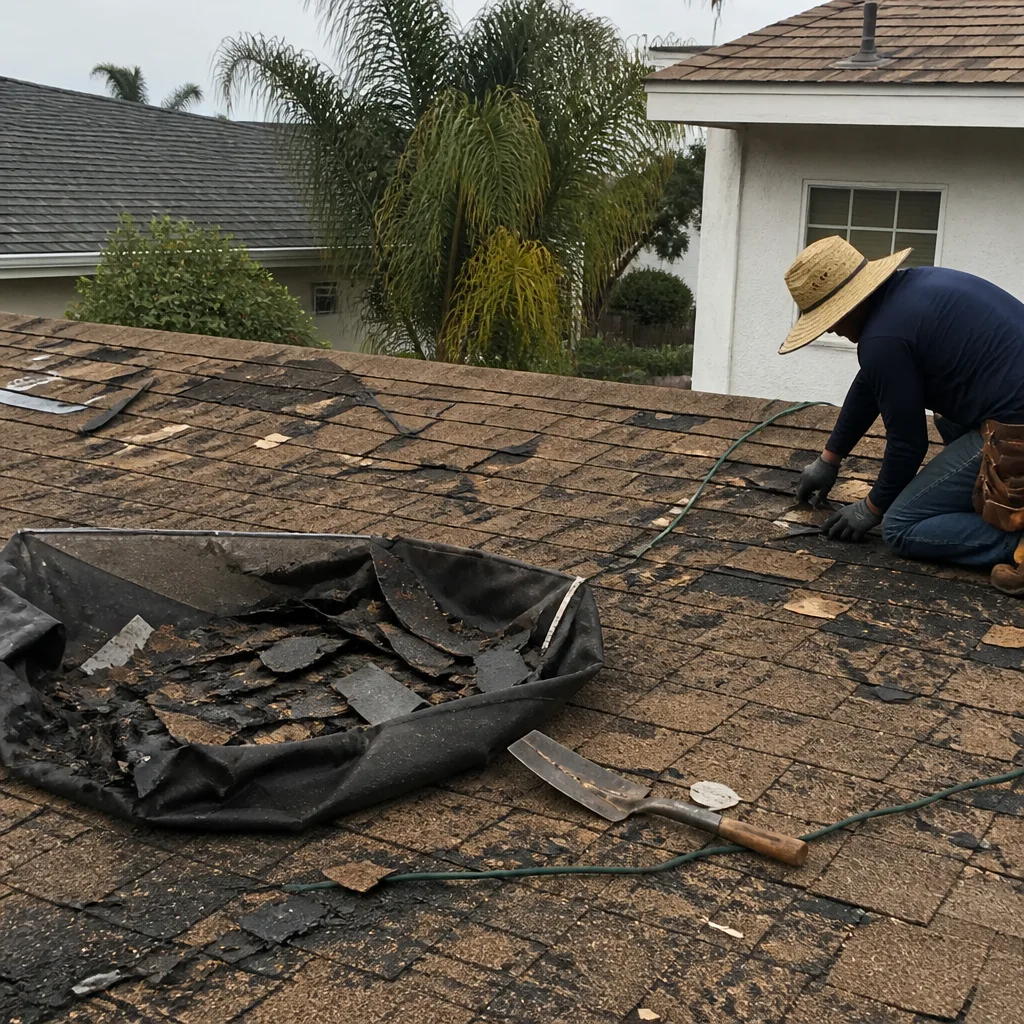 Before
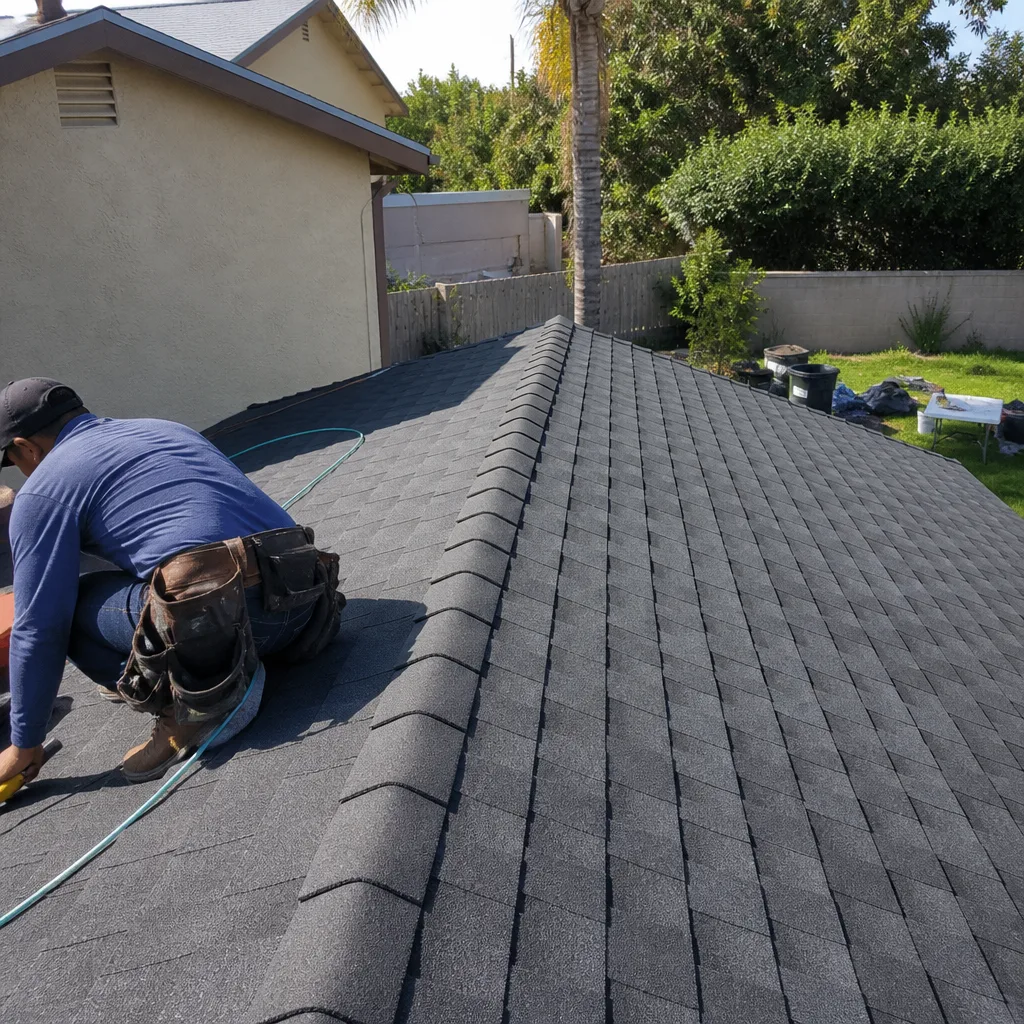 After
After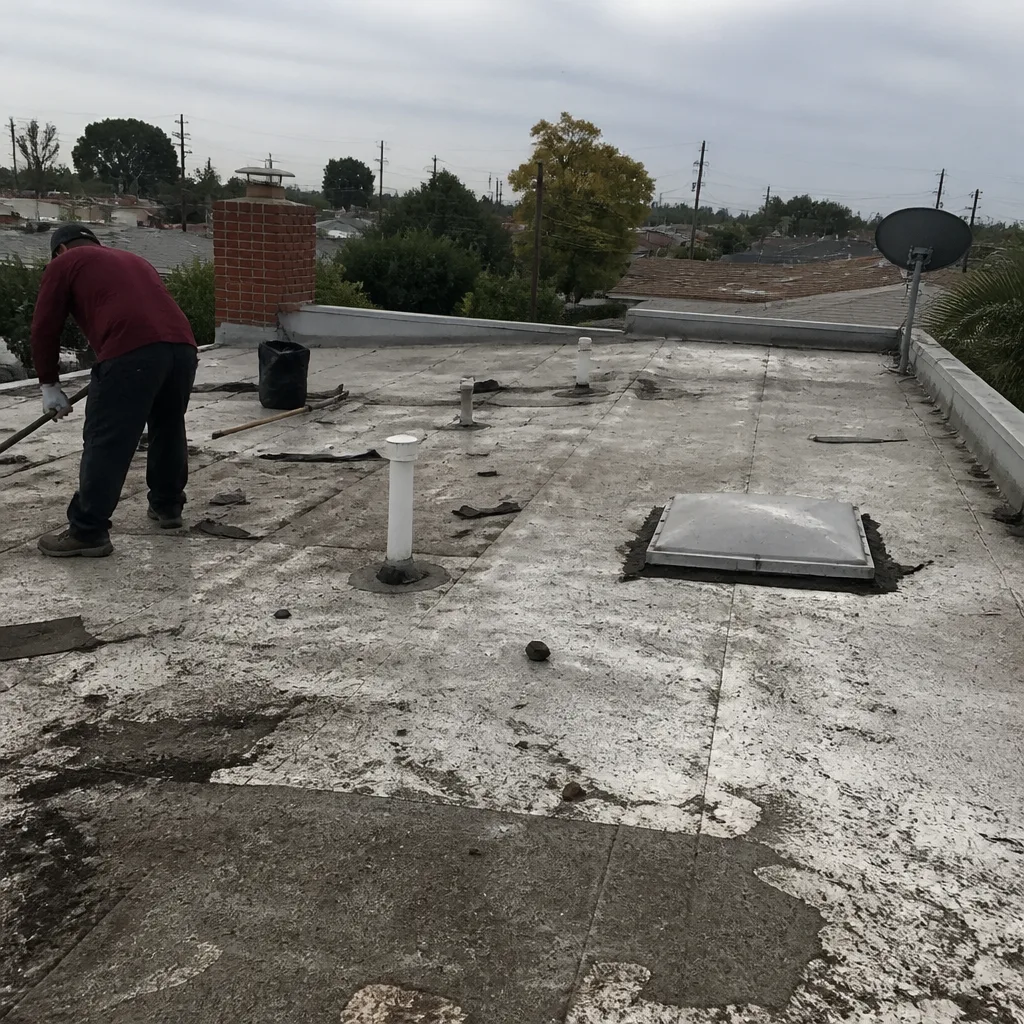 Before
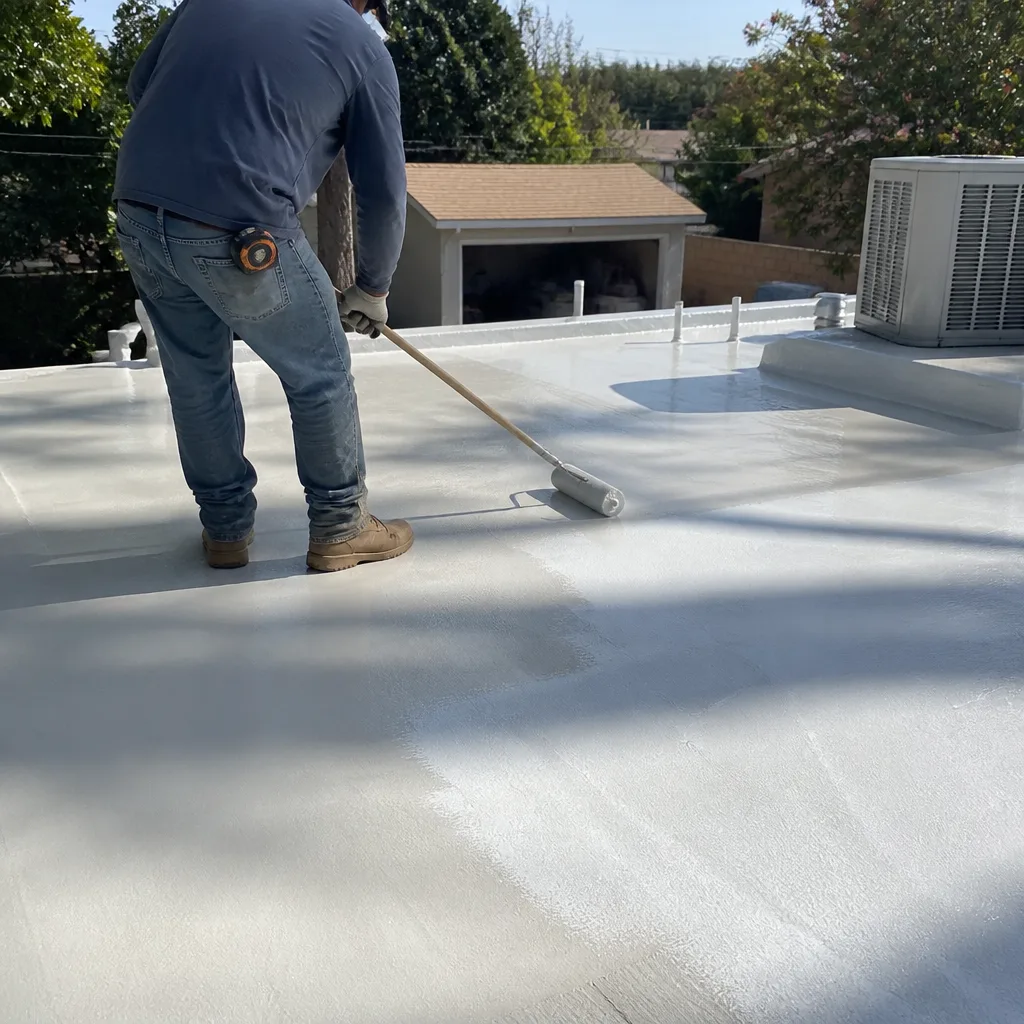 After
After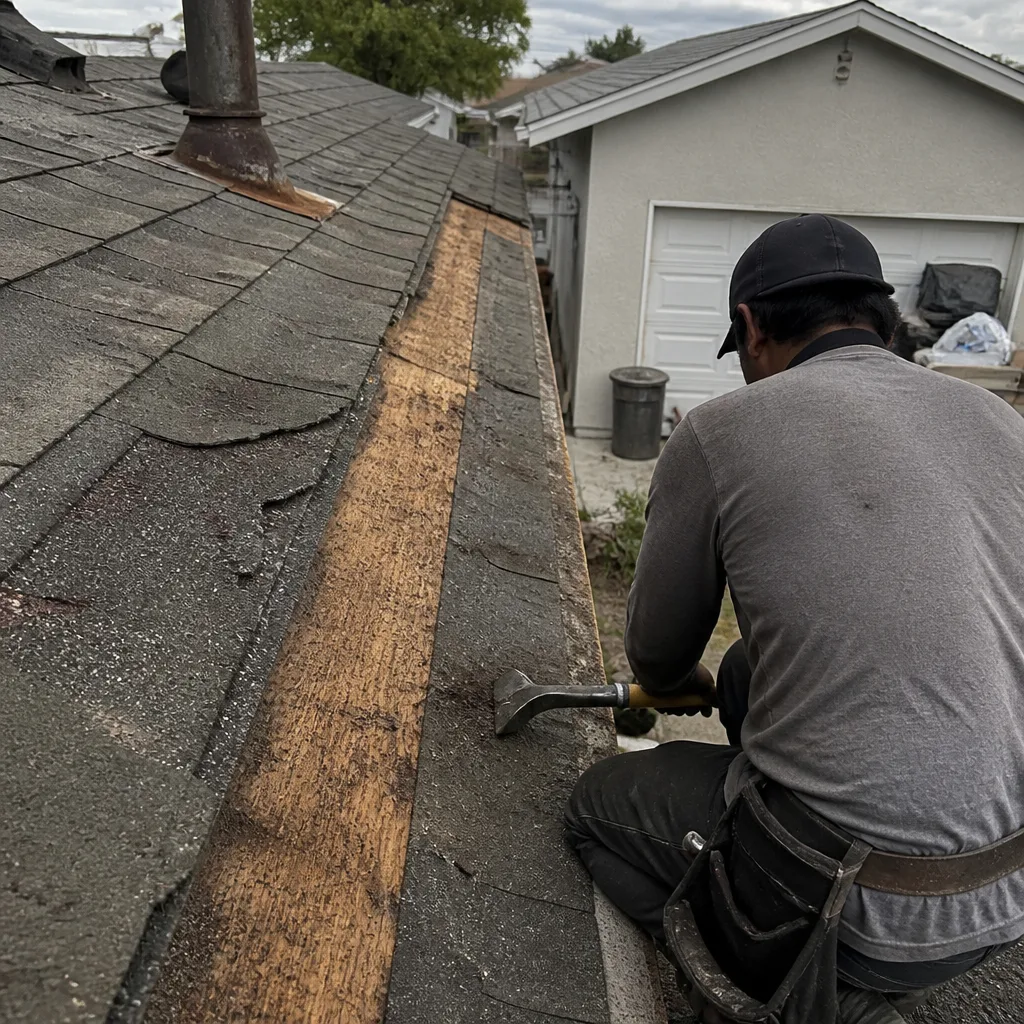 Before
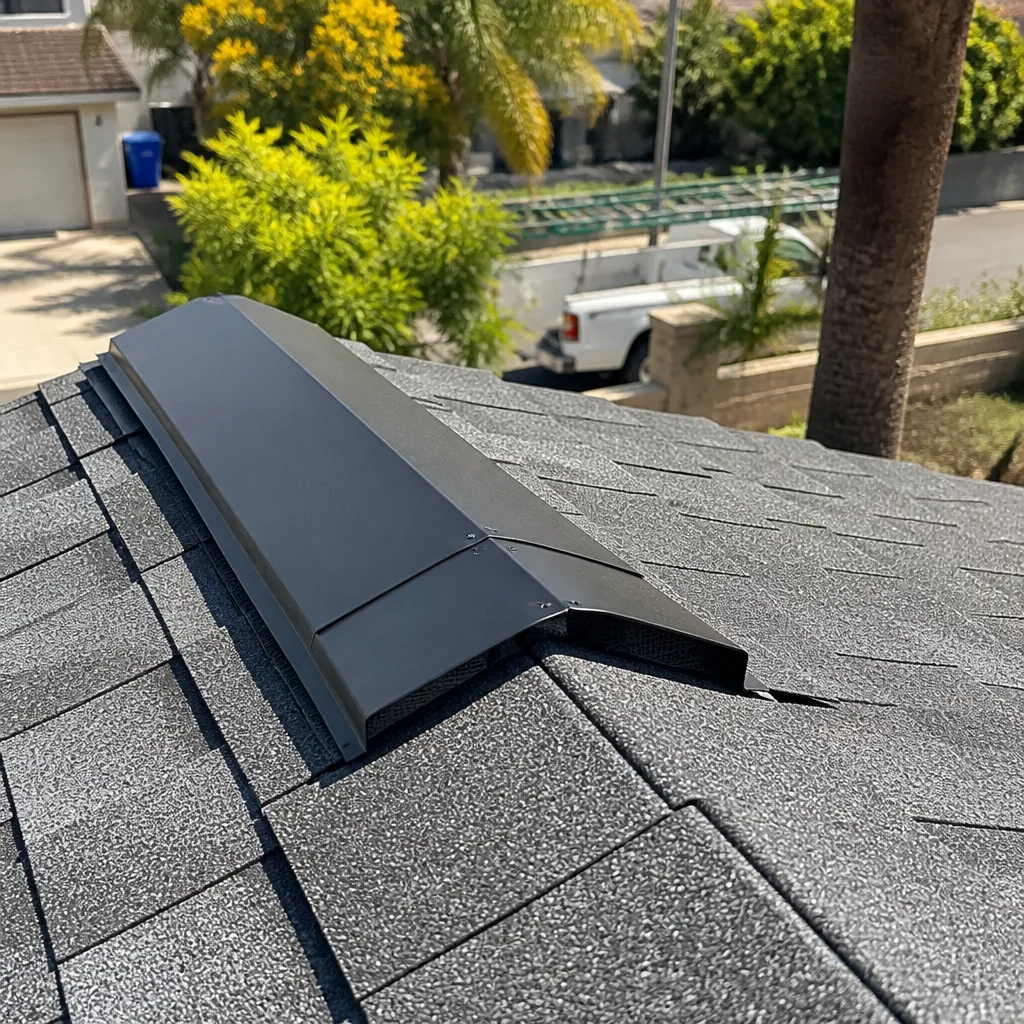 After
AfterWhen to Call a Professional
Some roofing situations are not DIY territory, and knowing when to stop and call is part of being a smart Los Angeles homeowner. Call a professional when you see water stains on interior ceilings or walls, when shingles are missing or curling after a storm, when you find granules from shingles collecting in your gutters, when flashing around chimneys or vents shows rust or gaps, or when decking is visibly sagging. Roof work involves steep heights, and a fall from a roof is one of the most serious injuries a homeowner can experience. Leave the ladder work to trained, equipped roofers. Mercer Roofing Co Los Angeles offers free estimates in Los Angeles. Call (213) 521-8272 and a real person answers, 24/7.
Frequently Asked Questions
Go to CSLB.ca.gov, click “Check a License,” and search by business name or license number. Confirm the license is “Active” with a C-39 roofing classification, and click into the detail page to see any complaints or citations. The whole process takes under two minutes and should happen before you book the estimate.
A complete contract includes full scope of work, materials by specific brand and product name, start and end dates, a payment schedule that caps the down payment at 10% or $1,000, a written change-order process requiring your signature for any additional work, lien waiver terms, cleanup and debris removal, and a written workmanship warranty. If any of these are missing, the contract is incomplete, regardless of what was said during the estimate.
A full asphalt shingle roof replacement on a single-story Los Angeles home typically runs $9,000 to $16,000, while two-story or steep-pitch homes range from $14,000 to $24,000. Premium materials like composite, metal, or Boral tile push the range to $28,000 and above. Minor repairs run $400 to $900, and moderate repairs run $1,200 to $3,500. These are ranges, not quotes. Call (213) 521-8272 for a written line-item price on your specific roof, before any work begins.
Yes, most full roof replacements in Los Angeles require a permit from the city’s Department of Building and Safety, and the final installation must pass inspection. A contractor who tells you no permit is needed is usually trying to skip the inspection fees, which leaves you with an unpermitted roof that resurfaces during a home sale.
The right brand depends on your home’s pitch, sun exposure, and budget. Architectural asphalt shingles from GAF, CertainTeed, or Owens Corning are common on LA homes ranging from single-story ranches to two-story traditional styles, while hillside and historic homes often call for stone-coated steel or Boral tile. Ask your contractor for the specific product name and the manufacturer’s warranty length, and compare those details across your bids.
It is a written workmanship guarantee that covers installation errors for a full year after the job. If the work is not right within that year, the contractor comes back and makes it right at no charge. Mercer Roofing includes the 365-Day Done Right Promise on every job, alongside a written guarantee on every repair and a free second visit if a repair fails. A written promise with a defined timeline is the only kind that means anything; vague verbal assurances do not. Call (213) 521-8272 for a free estimate and ask for the guarantee in writing.
The Bottom Line
Hiring a roofing contractor in Los Angeles is a two-part decision: quality of workmanship and who you allow onto your property. Verify the license at CSLB.ca.gov before the estimate. Ask for the names and photos of everyone who will arrive. Demand a written line-item price before work starts, and insist on a contract that names materials, dates, payment terms, and lien waivers. Walk away from door-knockers, pressure timelines, and anyone asking for more than 10% down. Mercer Roofing Co Los Angeles home is built around these standards, with background-checked, photo-badged technicians under the Threshold Verified standard, written pricing on every job, and a real person on the phone 24/7. The goal isn’t finding the cheapest roof; it’s finding a roof and a contractor you can trust standing on it.
Written by Grant Whitlock, Owner at Mercer Roofing Co Los Angeles, serving Los Angeles since 2000.