

Last updated October 17, 2026
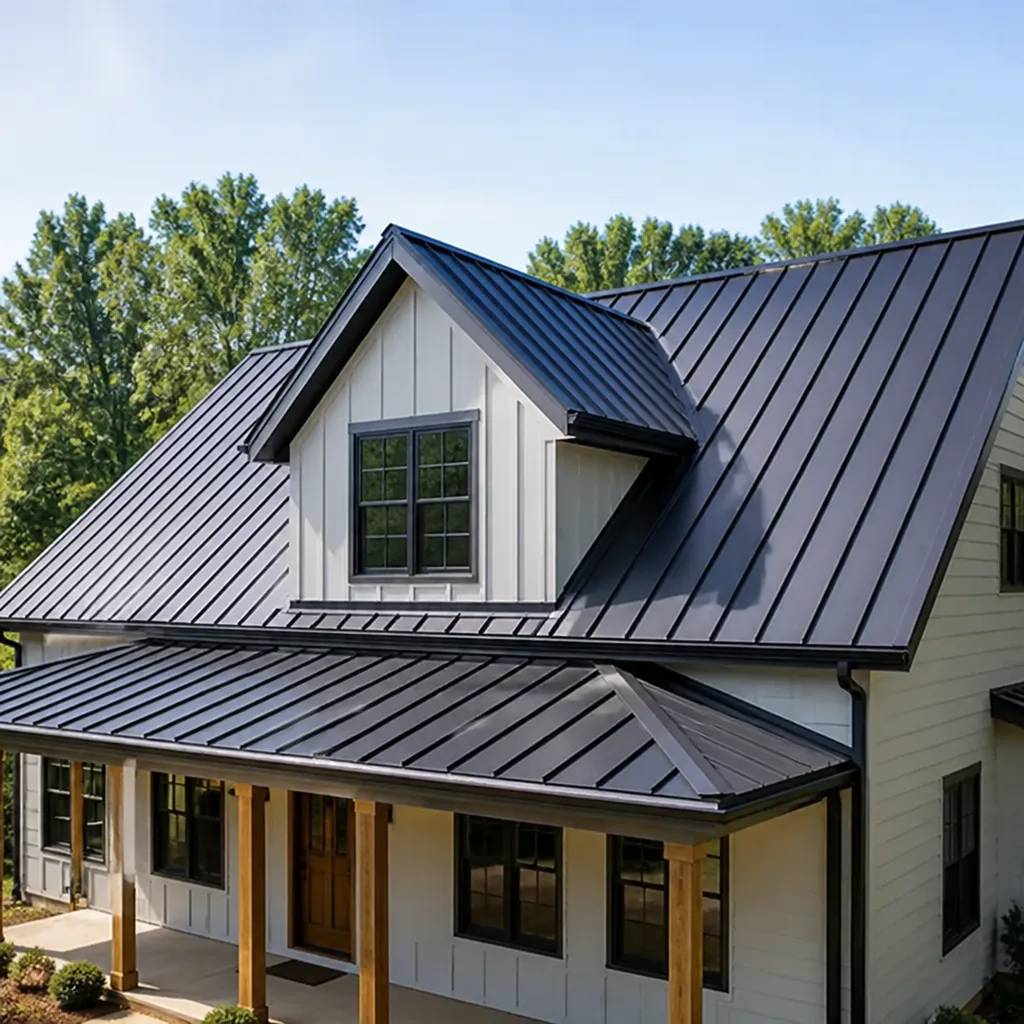 Metal roofing
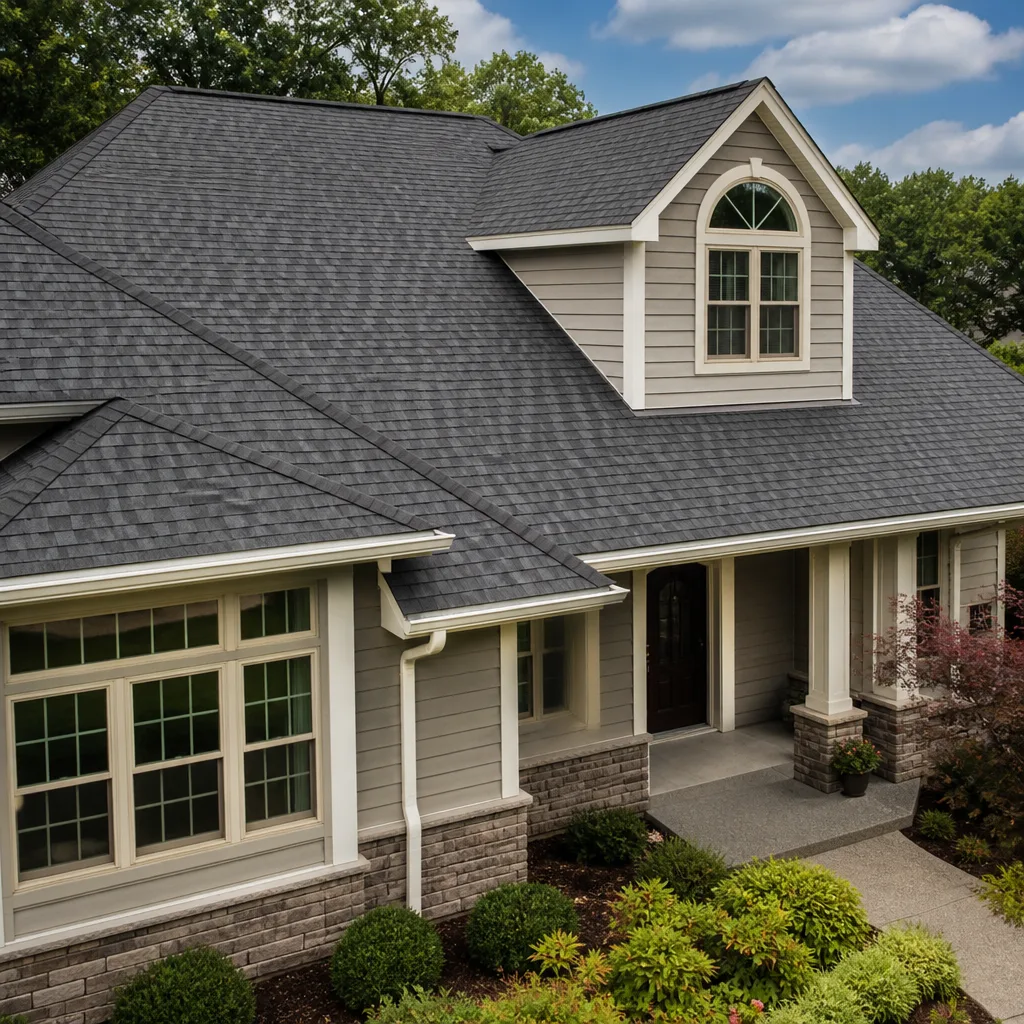
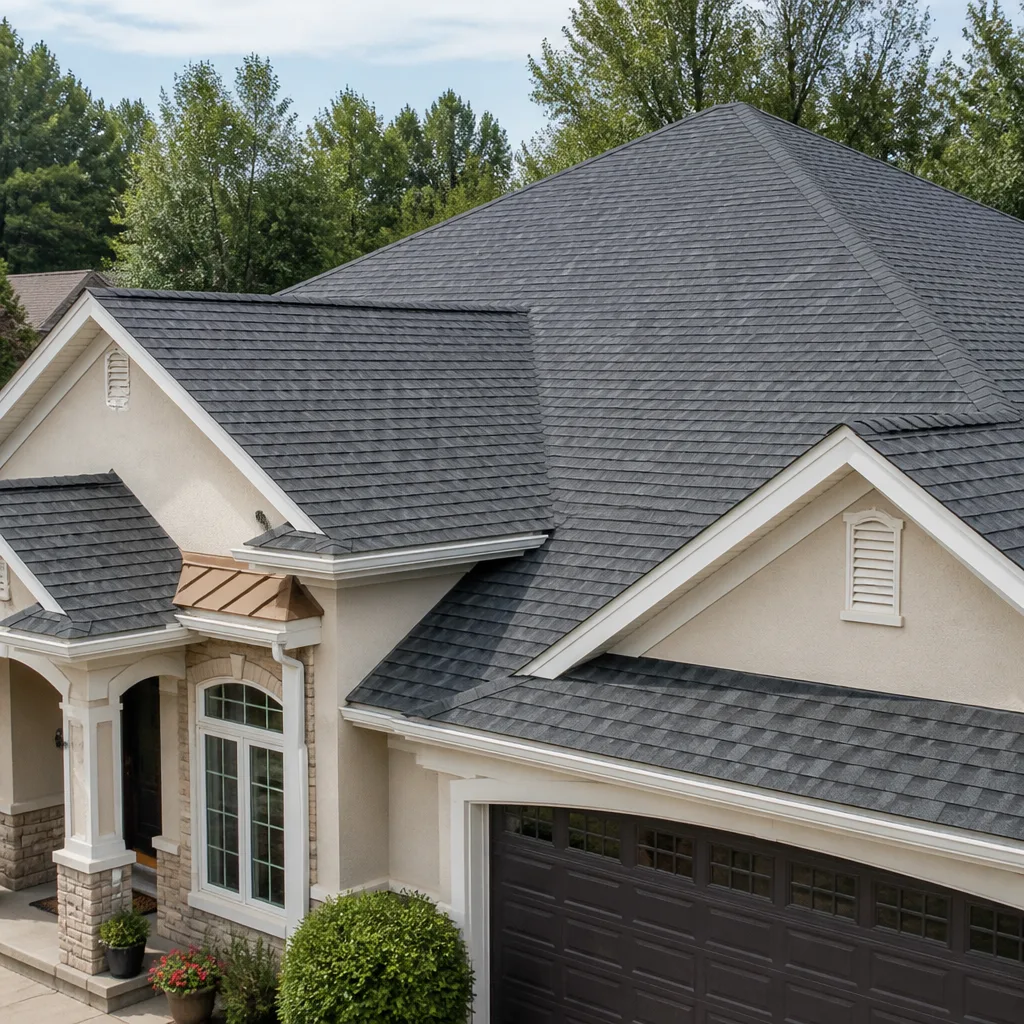 Architectural shingles
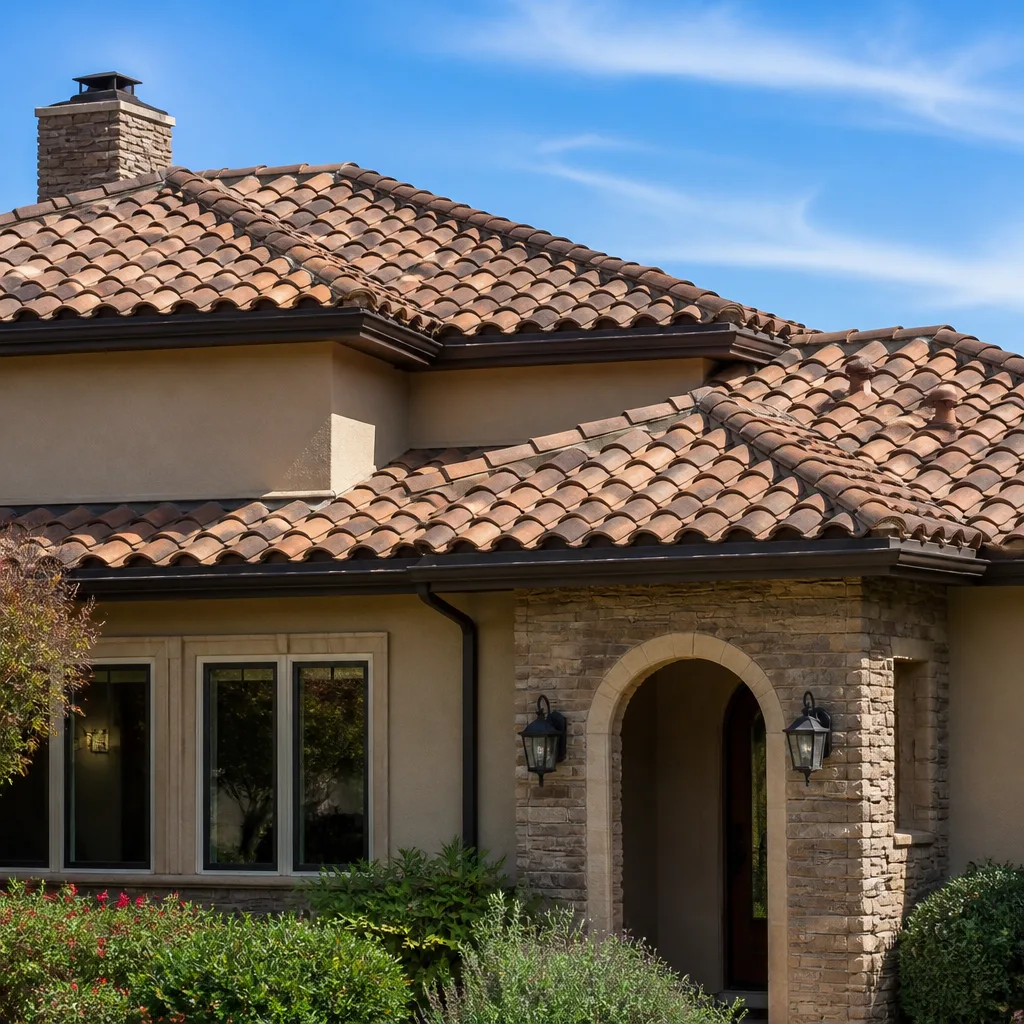 Tile roofing
 GAF
GAF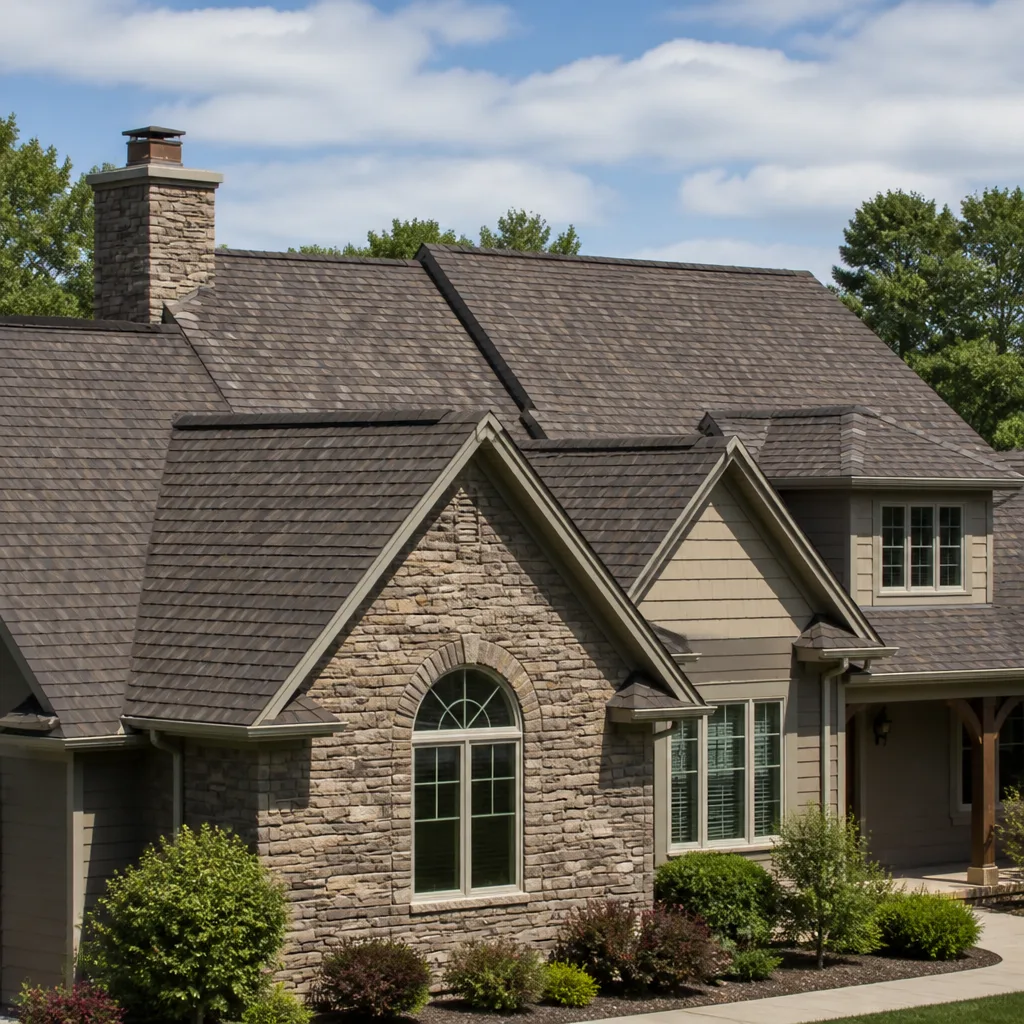 Owens Corning
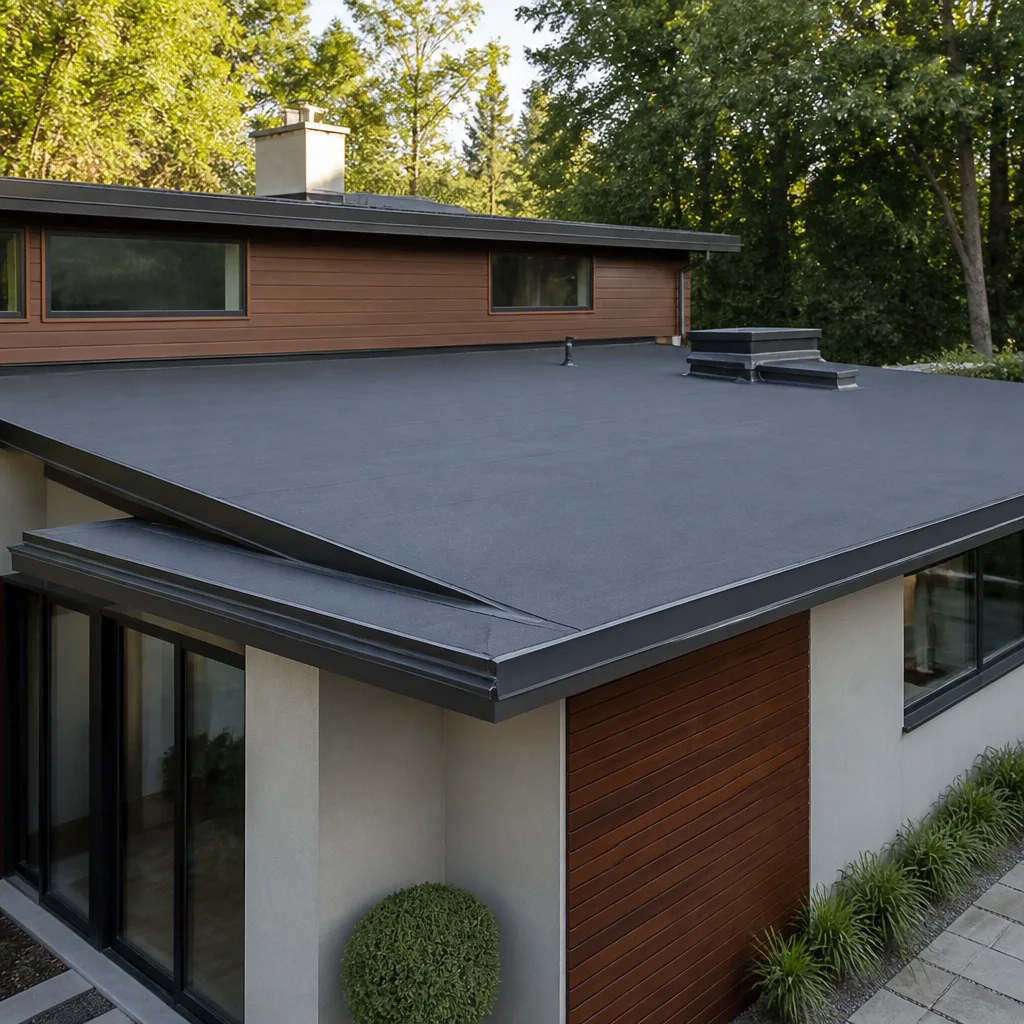 Flat & low-slope
Free roof inspection with deck photos before we talk money - GAF and Owens Corning certified installation
The Complete Guide to Roofing in Los Angeles
Most Los Angeles roofing guides treat a Malibu bluff home and a Koreatown flat-roof duplex as if they need the same advice. They don’t, and confusing the two costs homeowners thousands. The roof over a beach bungalow in Playa del Rey fights salt spray and morning marine layer every single day. The roof over a Sylmar rancher bakes under 110-degree heat for four months straight. The roof over a Tujunga cabin sits in a wildfire ember zone. This guide sorts Los Angeles roofing by the actual conditions your house faces, not by generic categories. You’ll learn what different neighborhoods demand from materials, what Title 24 actually requires, how to read a bid line by line, and what a written guarantee should really say. For ongoing roof repair maintenance, check our checklist after you finish here.
Quick Answer
Roofing in Los Angeles is not one trade; it is five different trades shaped by coastal salt air, inland valley heat, hillside drainage, high-wind corridors, and wildfire ember zones. The right roof for your home depends on your specific micro-climate and your LA jurisdiction’s permit rules, not on what worked for a house across town.
Styles & brands we work with
Table of Contents
- The Five Roofing Climates of Los Angeles
- Title 24 and Cool-Roof Rules That Actually Change What You Can Install
- City of LA Permits vs. Unincorporated LA County Permits: Why the Distinction Matters
- How to Read a Roofing Bid Line by Line
- Manufacturer Warranty vs. Workmanship Warranty vs. Leak-Back Guarantee
- Material Choices by LA Climate Zone
- What Happens on Installation Day: A Step-by-Step Walkthrough
- Maintenance Rhythms for Every LA Roof Type
The Five Roofing Climates of Los Angeles
Los Angeles spans roughly 469 square miles, and within that footprint sit at least five distinct roofing environments. A roof that performs beautifully in one will fail prematurely in another. Here is what we mean.
1. The Coastal Salt-Air Corridor
Neighborhoods like Pacific Palisades, Playa del Rey, San Pedro, and Venice sit within two miles of the ocean. The dominant roofing problem here is not heat; it is corrosion. Salt-laden air accelerates rust on metal flashing, degrades fasteners, and shortens the life of standard galvanized components. Homeowners in these areas routinely replace flashing that would last 30 years inland after just 10 to 12 years near the coast. We recommend stainless steel or copper flashing in coastal zones, plus fastener upgrades that resist chloride pitting. Some manufacturers, including Atlas and GAF, offer coastal-specific fastener specifications that keep warranties valid in salt-air zones. If your bid says “standard flashing,” ask what metal it is made from. Near the water, standard is often the wrong call.
2. The Inland Valley Heat Zone
Woodland Hills, Northridge, Reseda, Chatsworth, and much of the San Fernando Valley see summer temperatures that routinely cross 100 degrees. Roof surface temperatures in these areas can reach 160 to 180 degrees on a July afternoon. That heat load does two things: it bakes asphalt shingles faster than the manufacturer’s standard lifespan predicts, and it drives up cooling costs dramatically. This is where cool-roof materials matter most. The right shingle color and coating can drop attic temperatures by 20 to 30 degrees and cut peak cooling demand meaningfully. In valley zip codes, we lean toward lighter, solar-reflective Owens Corning or CertainTeed shingle lines rated under California’s Title 24 requirements.
3. The Hillside Drainage Zone
Homes in the Hollywood Hills, Mount Washington, Echo Park hillsides, and other sloped neighborhoods face a roofing challenge most flat-lot homes never think about: water that moves downhill with real force. Hillside lots often feature stepped roofs, multiple valleys, and drainage paths that concentrate runoff. When flashing is done even slightly wrong on a hillside valley, water finds the seam within one rainy season. Hillside homes also tend to have decks built over living space, which means roof leaks damage interiors faster and cost more to fix. Any roof repair in Los Angeles on a hillside property should include a drainage review, not just a patch job. The repair that stops water today may send it somewhere worse tomorrow.
4. The High-Wind Corridor
The San Fernando Valley’s northern edge, the corridor through Porter Ranch and Granada Hills, and certain passes near the 14 freeway experience Santa Ana wind events with gusts that exceed 60 mph. These winds test shingle adhesive seals and expose poor nailing patterns immediately. A roof installed with the wrong nail count or incorrect nail placement will shed shingles in the first strong Santa Ana. In wind-prone zones, we specify six nails per shingle rather than the standard four, and we verify shingle seal activation before leaving the job. If you live in a wind corridor and your bid says “standard installation,” ask whether the fastener schedule meets the manufacturer’s high-wind spec. Most manufacturers publish one. The difference in materials cost is maybe $150 to $400 on a typical home. The difference in a Santa Ana event is a roof that stays on versus a roof scattered across your street.
5. The Wildfire Ember Zone
Communities like Tujunga, Sunland, La Crescenta, parts of Altadena, and the hills above Burbank fall within designated wildfire hazard severity zones. In these areas, the roof’s most dangerous enemy is not direct flame; it is wind-driven embers that land in roof valleys, gutters, and against vertical surfaces. Class A fire-rated materials are a minimum, not a recommendation. That means fiberglass asphalt shingles, certain metal profiles, or tile, never wood shake. Ember-resistant vents and gutter guards designed to prevent ember accumulation also matter. Some insurers in fire zones now require Class A ratings as a condition of coverage. When you call a roofing company in Los Angeles about a fire-zone home, make sure Class A compliance is written into the scope, not assumed.
What This Means for Your Project
Before you call anyone for an estimate, read our step-by-step guide to hiring a roofing contractor in Los Angeles, then figure out which of these five zones your house sits in. The answer shapes every material decision, every code requirement, and every honest bid you will receive.
Title 24 and Cool-Roof Rules That Actually Change What You Can Install
California’s Title 24 energy code is not a suggestion, and in Los Angeles it directly limits what goes on your roof. Since 2005, the state has required cool-roof standards for most new construction and re-roofing projects in climate zones 6 through 16. Most of Los Angeles sits within those zones. In practice, this means your new roof must meet a minimum solar reflectance and thermal emittance rating unless you qualify for a specific exemption.
Here is the part that catches many Los Angeles homeowners off guard: Title 24 often narrows your shingle color choices more than your personal preference does. Dark brown and dark gray shingles that look nice against a hillside may not meet the cool-roof standard. Manufacturers like GAF, Owens Corning, and CertainTeed now offer cool-rated color lines that look natural while meeting reflectance requirements. Boral offers cool-rated tile profiles for homes where tile is the right aesthetic and structural fit. If you have your eye on a specific dark color, verify its Title 24 compliance before falling in love with it.
The code also matters for flat and low-slope roofs. Los Angeles has tens of thousands of flat-roof homes, particularly in Mid-City, Koreatown, and South LA. For these roofs, cool-roof compliance typically means a white or light-colored reflective coating over modified bitumen or single-ply membrane. That coating does more than satisfy code; it can cut cooling costs on a flat-roof home by 10 to 20 percent during summer. But the coating requires periodic reapplication, usually every 5 to 7 years, and that maintenance line item should appear in your long-term budget.
If your re-roof project includes a full roof installation in Los Angeles, the contractor should pull the Title 24 compliance documentation and include it with your permit package. If they cannot produce it, they are not doing the job to code, regardless of how clean the finished roof looks.
City of LA Permits vs. Unincorporated LA County Permits: Why the Distinction Matters
Los Angeles is not one jurisdiction. It is dozens. The City of Los Angeles issues its own building permits through the Department of Building and Safety, also called LADBS. But significant stretches of what people call “LA” are actually unincorporated Los Angeles County, and those homes pull permits from LA County Public Works or the county building division. Neighborhoods like Universal City, parts of Baldwin Hills, Marina del Rey (in some sections), and pockets throughout the San Gabriel Valley fall under county jurisdiction, not city. Mixing up the two delays projects by weeks and can invalidate an in-progress permit application.
Here is a practical step-by-step way to figure out which jurisdiction you are in before you talk to a contractor, though you may also want to weigh DIY vs professional roofing for your Los Angeles home:
- Check your property tax bill or utility statement. If it says “Los Angeles” as the municipality, you are likely in the city. If it says “Los Angeles County” or lists an unincorporated community name, you are likely in county jurisdiction.
- Search your address on the LA County Assessor’s portal. The assessor’s record usually identifies city vs. unincorporated county status.
- Ask the contractor which permitting body they will file with. A competent Los Angeles roofer should know the answer for your specific address without hesitation. If they stumble, that tells you something useful.
- Confirm the permit number before work starts. A legitimate pulled permit has a number you can look up online through the issuing agency. Any contractor who starts a full re-roof without a permit is violating California law and jeopardizing your insurance.
The permit fee for a typical residential re-roof in Los Angeles runs between $300 and $800 depending on project size and jurisdiction. It is a line item on your bid. It is not optional, and it is not something a legitimate contractor will skip to save you money.
How to Read a Roofing Bid Line by Line
Roofing bids in Los Angeles vary wildly in format, from single-page estimates to 12-page itemized scopes. A useful bid does not just show a total; it shows exactly what the total buys. Here is how to read the line items that matter most.
“Tear-off and haul”
This line means removing the existing roof layers down to the decking and hauling the debris away. In Los Angeles, a standard single-layer tear-off on a 1,500 to 2,000 square foot home typically runs $1,800 to $3,200. If your roof has multiple layers, which is common on older LA homes, expect to add $800 to $1,500 per additional layer. Los Angeles building code allows a maximum of two layers of asphalt shingles in most cases; a third layer requires a full tear-off. If your bid does not specify how many layers are being removed, the price is a guess, not a quote.
“Decking replacement allowance”
Decking, also called sheathing, is the plywood or OSB surface beneath the shingles and underlayment. A good bid includes a per-sheet price for decking replacement because no one can see the condition of the decking until the old roof comes off. In LA, expect $75 to $120 per 4-by-8 sheet installed if replacement is needed. A typical roof uses 50 to 70 sheets, so if half your decking is rotted, that line item can add $2,500 to $4,500 to the final bill. A bid that contains no decking allowance is not protecting you from surprises; it is setting you up for a change order.
“Underlayment”
Underlayment is the water-shedding barrier between the decking and the shingles. Los Angeles code generally requires a minimum of one layer of 30-pound felt, but we strongly prefer synthetic underlayment like GAF Deck-Armor or Owens Corning ProArmor. Synthetic underlayment costs $40 to $80 per roll more than felt, but it lays flatter, resists tearing, and provides better secondary water protection. In hillside and wind-corridor zones, the upgrade is worth every dollar.
“Flashing”
Flashing is the metal installed at roof penetrations, walls, valleys, and chimneys. It is the most common source of roof leaks in Los Angeles after failed pipe collars. A complete bid should specify flashing replacement at every penetration, not just “as needed.” Coastal homes should specify stainless steel or copper. Valley homes should specify extra-wide valley metal. Flashing line items typically run $400 to $1,200 on a full re-roof depending on roof complexity.
“Ventilation”
Attic ventilation extends shingle life and cuts cooling costs. Los Angeles attics routinely hit 130 degrees or higher in summer without proper airflow. A complete re-roof should include intake and exhaust ventilation upgrades: ridge vents, soffit vents, or box vents. Budget $600 to $2,000 for a proper ventilation package. If your bid lacks any ventilation line, the installer is leaving years of roof life on the table.
“Cleanup and magnet sweep”
Any legitimate LA roofer includes debris cleanup and a magnet sweep for loose nails in the price. If the bid does not say this, ask. Roofing nails in your driveway and yard are a flat-tire and barefoot hazard. A magnetic nail sweep takes the crew less than an hour and protects you for months.
When you get a bid from Mercer Roofing Co Los Angeles, you will see each of these items called out in writing, with a fixed price. No charge-order games. If the scope changes after tear-off reveals hidden damage, you will see the per-sheet or per-foot price in writing before any additional work begins. That is the only honest way to bid a roof.
Manufacturer Warranty vs. Workmanship Warranty vs. Leak-Back Guarantee
Every roofing bid in Los Angeles comes with talk of “warranties,” but the word means different things depending on who is standing behind it. Here is the honest breakdown.
Manufacturer Warranty
This comes from the shingle maker, not the roofer. A basic manufacturer warranty covers defects in the shingle material itself, typically for 20 to 50 years depending on the product line. GAF, Owens Corning, and CertainTeed all offer standard material warranties, and all three also offer enhanced “system” warranties when the roof is installed by a certified contractor using the manufacturer’s full component system, including underlayment, ridge cap, and ventilation. System warranties cover both materials and installation workmanship for a set period, sometimes up to 50 years. These enhanced warranties usually require the contractor to be certified by the manufacturer. Ask your roofer directly: are you certified by the manufacturer whose shingles you are proposing? If they are not, the system warranty is not available to you.
Contractor Workmanship Warranty
This is the roofer’s own promise covering installation errors: nail pops, shingle blow-offs, improper flashing, and other defects caused by the crew, not the materials. In Los Angeles, workmanship warranties range from 2 years to 10 years depending on the company. This is where the written language matters enormously. A one-sentence “we stand behind our work” is not a warranty; it is a slogan. A real workmanship warranty says what is covered, for how long, and exactly what happens if a problem appears. Mercer Roofing Co Los Angeles includes a 365-Day Done Right Promise: if the work is not right within a year, we make it right, backed by a written guarantee on every repair included with every job.
Leak-Back Guarantee
This is the narrowest and most specific promise, and for most homeowners it is the one that matters most in real life. A leak-back guarantee says that if a repaired or replaced roof area leaks again within a stated period, the contractor returns and fixes it at no charge. Some companies include this only if you ask. Others include it as standard language. Mercer includes a written guarantee on every repair, with a free second visit if the repair fails. Confirm that exact language: “free second visit if the repair fails.” If a roofer hesitates to put that sentence in writing, you have learned something valuable about how confident they are in their own work.
Material Choices by LA Climate Zone
The right roofing material for a Los Angeles home depends heavily on which of the five climate zones you live in. Here is a practical guide, zone by zone.
Coastal Salt-Air Corridor: Best Choices
- Fiberglass asphalt shingles with stainless steel or copper flashing. The shingles handle the moisture; the upgraded flashing handles the salt. Expect the flashing to be the part that wears out first. Brands like Atlas and GAF offer coastal-rated lines.
- Tile with stainless fasteners. Concrete or clay tile performs well near the coast, but only if the fasteners are upgraded. Standard fasteners corrode and loosen within a decade of salt exposure.
- Avoid standard galvanized flashing. It will rust visibly within 8 to 12 years and fail quietly before you notice.
Inland Valley Heat Zone: Best Choices
- Cool-rated asphalt shingles in light colors. Look for Title 24-compliant reflectance ratings. Owens Corning and CertainTeed both produce excellent cool-rated shingle lines.
- Tile or concrete tile. Tile naturally insulates better than asphalt and lasts 50 years or more in the valley heat, though it costs more upfront.
- Avoid dark shingles. They fail Title 24 requirements in most LA climate zones and push attic temperatures dangerously high in summer.
Hillside Drainage Zone: Best Choices
- Standing seam metal or tile with reinforced valley flashing. Both materials shed water aggressively, which matters when water moves fast downhill.
- Double-layer underlayment. Hillside roofs carry more water for longer. The second layer is cheap insurance.
- Avoid low-grade three-tab shingles. They are the least forgiving material when drainage is aggressive.
High-Wind Corridor: Best Choices
- Architectural shingles with six-nail fastening. The thicker material holds better in gusts, and the extra nails matter more than the shingle brand.
- Standing seam metal. The most wind-resistant roof type available for residential LA homes.
- Avoid lightweight three-tab shingles installed with the standard four-nail pattern. They will shed in the first strong Santa Ana. When you get a roof replacement bid in a wind corridor, verify the fastener schedule in writing.
Wildfire Ember Zone: Best Choices
- Class A fiberglass asphalt shingles. The baseline for every fire-zone roof. All major manufacturers make Class A lines.
- Tile or metal. Both offer Class A performance with the right underlayment. Boral tile is widely used in LA hillside communities for exactly this reason.
- Avoid wood shake or untreated wood shingles. They are prohibited by code in most fire zones and increasingly uninsurable.
Material costs in Los Angeles vary significantly by zone and product tier. A standard architectural asphalt re-roof on a 1,500 to 2,000 square foot home generally runs $12,000 to $24,000 depending on tear-off layers, decking condition, and material grade. Tile and standing seam metal typically come in 40 to 80 percent higher. Those ranges reflect what we see across LA bids every month, not national averages that mean nothing in this market.
What Happens on Installation Day: A Step-by-Step Walkthrough
Here is what a properly managed roof installation looks like in Los Angeles, start to finish. For more guides & resources, visit our blog after reading through this section.
- Permit posting and property protection. The crew posts the permit, covers landscaping with tarps, and protects windows and exterior walls near the work zone. If a crew shows up and starts tearing off without this step, send them home.
- Tear-off to decking. The old roof comes off down to the wood decking. The crew hauls debris to a truck or dumpster, not onto your lawn.
- Decking inspection. The foreman walks the exposed decking and marks every soft or rotted sheet. You should be shown, not told, which sheets are being replaced and why.
- Underlayment installation. The water-shedding layer goes down over the decking. In most LA jurisdictions, the underlayment must remain exposed for a code inspection before shingles cover it.
- Drip edge and flashing. Metal drip edge is installed along eaves, and flashing is set at every penetration, valley, wall, and chimney. This is the highest-skill part of the job and the most common source of leaks when rushed.
- Shingle or material installation. The primary roof covering goes on according to the manufacturer’s published installation spec, including the correct fastener count for your wind zone.
- Ridge cap and ventilation. Ridge vents, box vents, or the specified ventilation system is installed and tested for airflow.
- Final inspection and magnet sweep. The foreman walks the roof, checks every flashing point, and runs a magnetic sweeper over the entire property and perimeter for nails. The crew hauls every scrap of debris off the property.
- City inspection. The permitted re-roof receives a final inspection from LADBS or LA County before the permit is closed. You receive a copy of the signed-off permit for your records.
The best crews finish a standard single-family re-roof in 2 to 4 days depending on roof size, pitch, and weather. A crew that finishes faster is not better; they are skipping steps. A crew that takes longer without explanation is poorly managed. Mercer Roofing Co Los Angeles sends written scheduling updates before and during the job so you always know where the project stands. Every technician arrives in a clean, marked uniform with a photo ID badge, and we send each technician’s name and photo ahead of the visit. That is the Threshold Verified standard, and it is non-negotiable on every job we run.
Common Mistakes to Avoid
- Choosing materials before checking your climate zone. A dark shingle that fails Title 24 in the valley is not a style choice; it is a code violation in waiting. Figure out your zone first, then pick materials.
- Skipping the permit. In Los Angeles, an unpermitted re-roof is illegal, uninsurable, and will haunt you when you sell. The permit fee is not the place to save money.
- Accepting a bid with no decking allowance. If the decking is shot and your bid has no replacement allowance, the “savings” will arrive as a change order the minute tear-off is done.
- Confusing a warranty with a guarantee. A manufacturer’s defect warranty does not mean the roofer will come back and fix a leak. Ask for the leak-back guarantee in writing.
- Hiring on price alone. The cheapest LA roofers bid low on the front end and make their margin on change orders and skipped steps. A complete, itemized written price protects you from exactly this.
- Ignoring flashing quality in coastal zones. Standard flashing rusts quickly near salt air. If you live west of the 405, specify stainless steel or copper.
- Not asking who is actually coming to your door. A roofing estimate puts a stranger on your property. You should know the person’s name, see their face, and verify their ID before they step onto your driveway. Threshold Verified means exactly that: background-checked, identity-verified, photo ID badge shown at the door.
See the difference
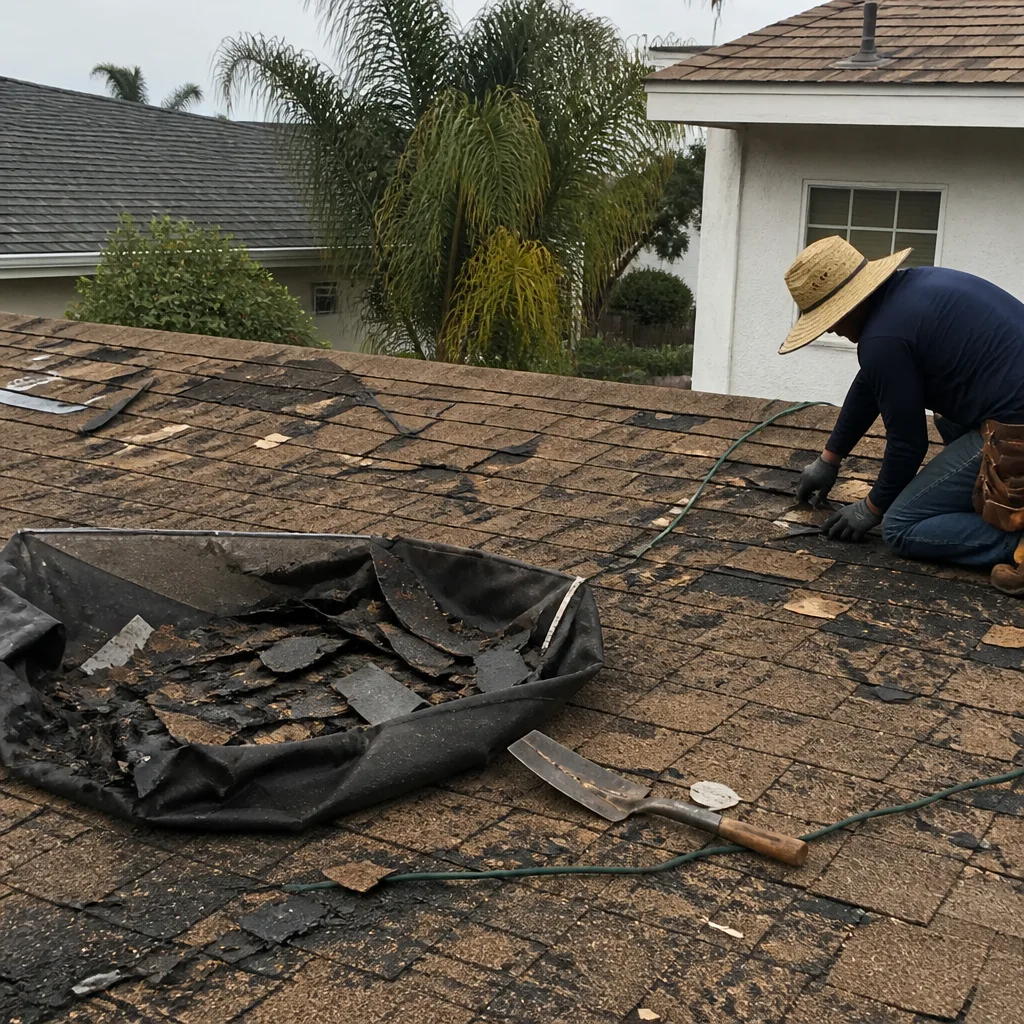 Before
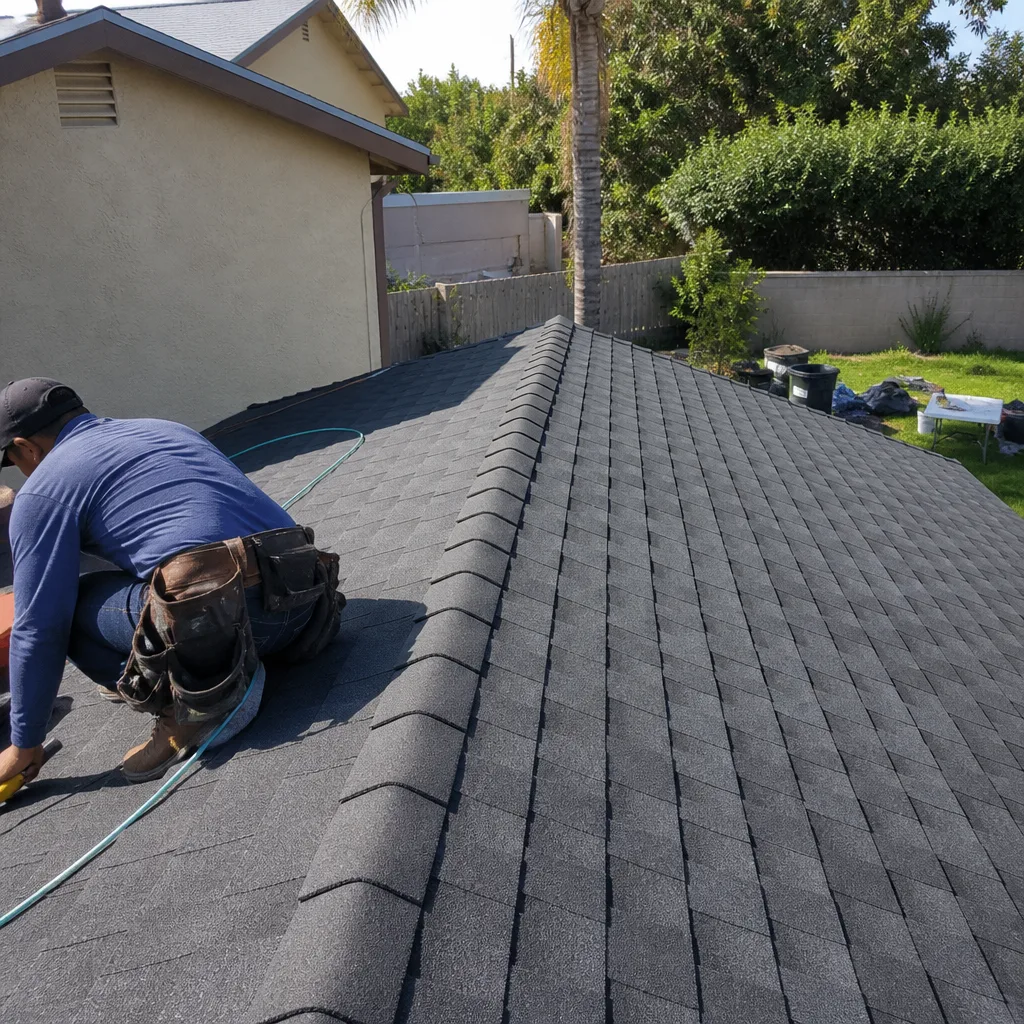 After
After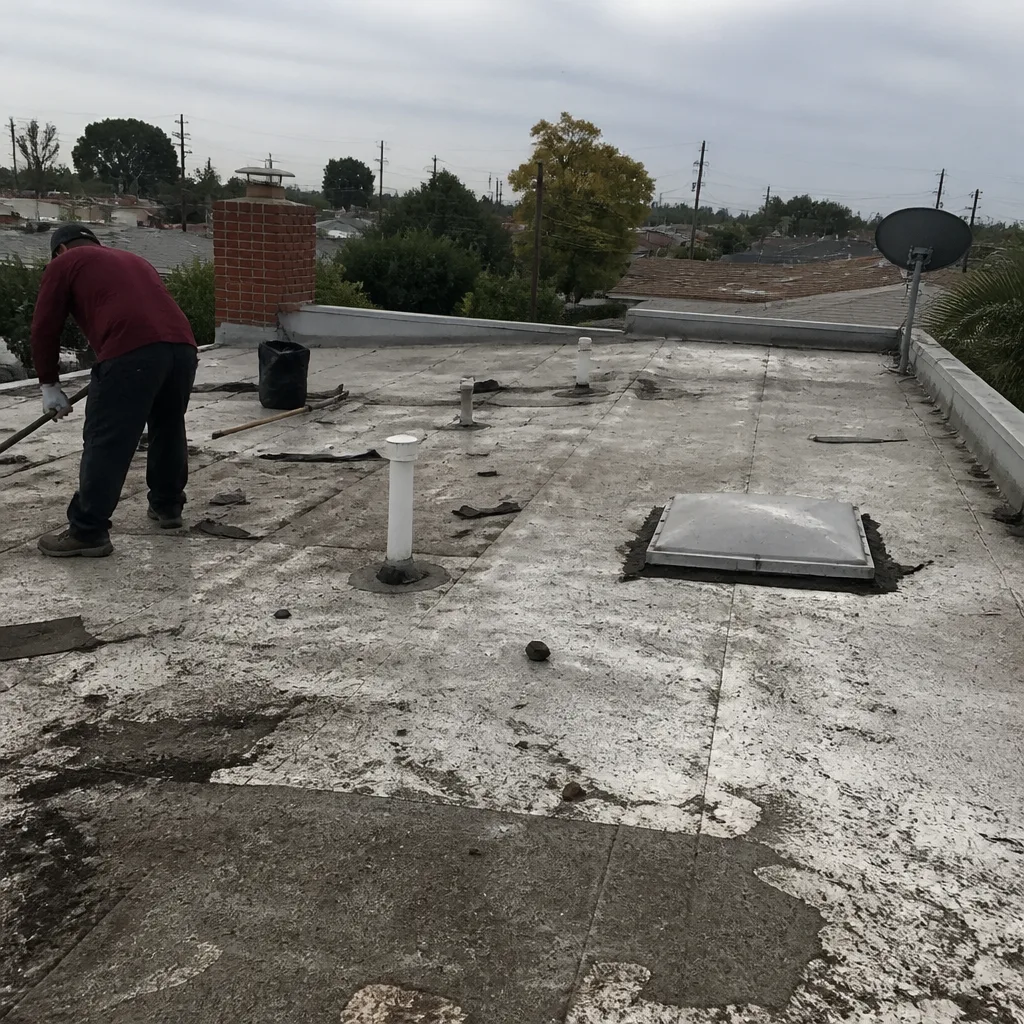 Before
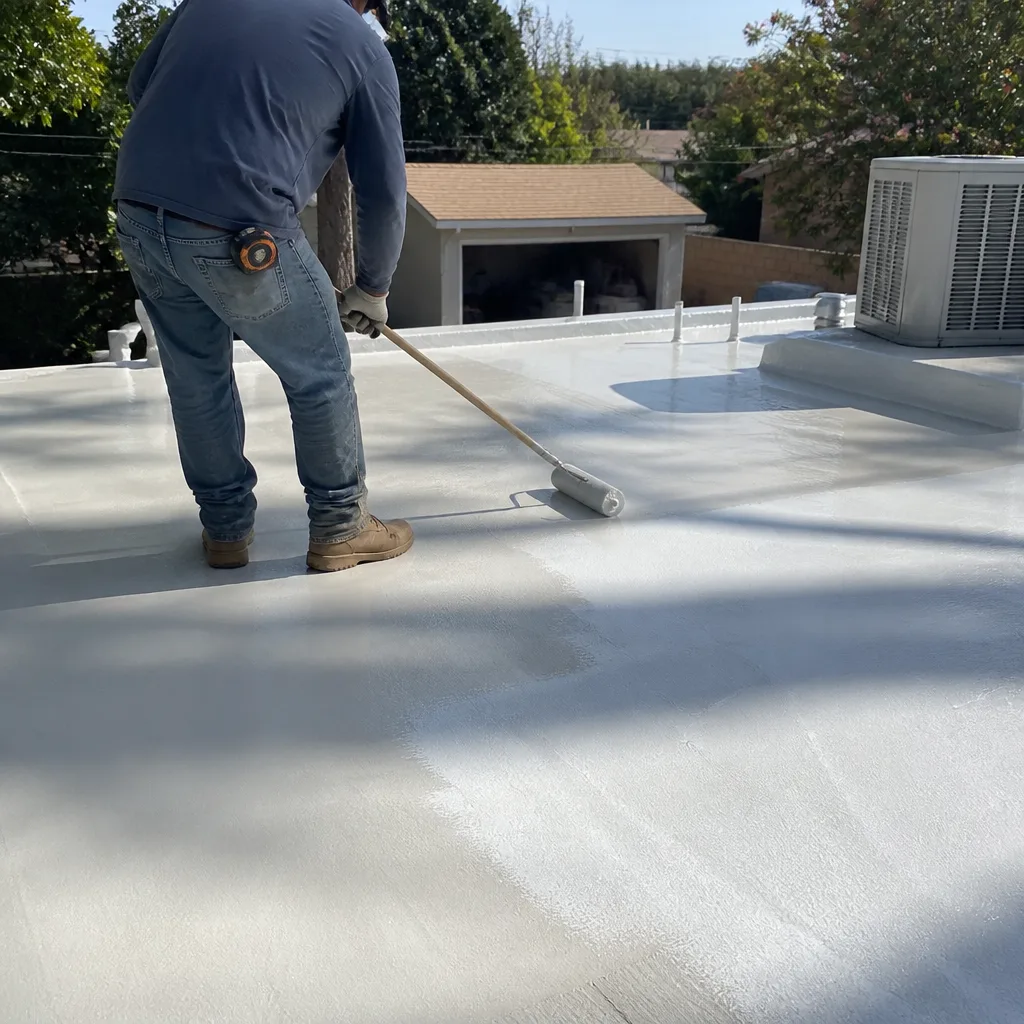 After
After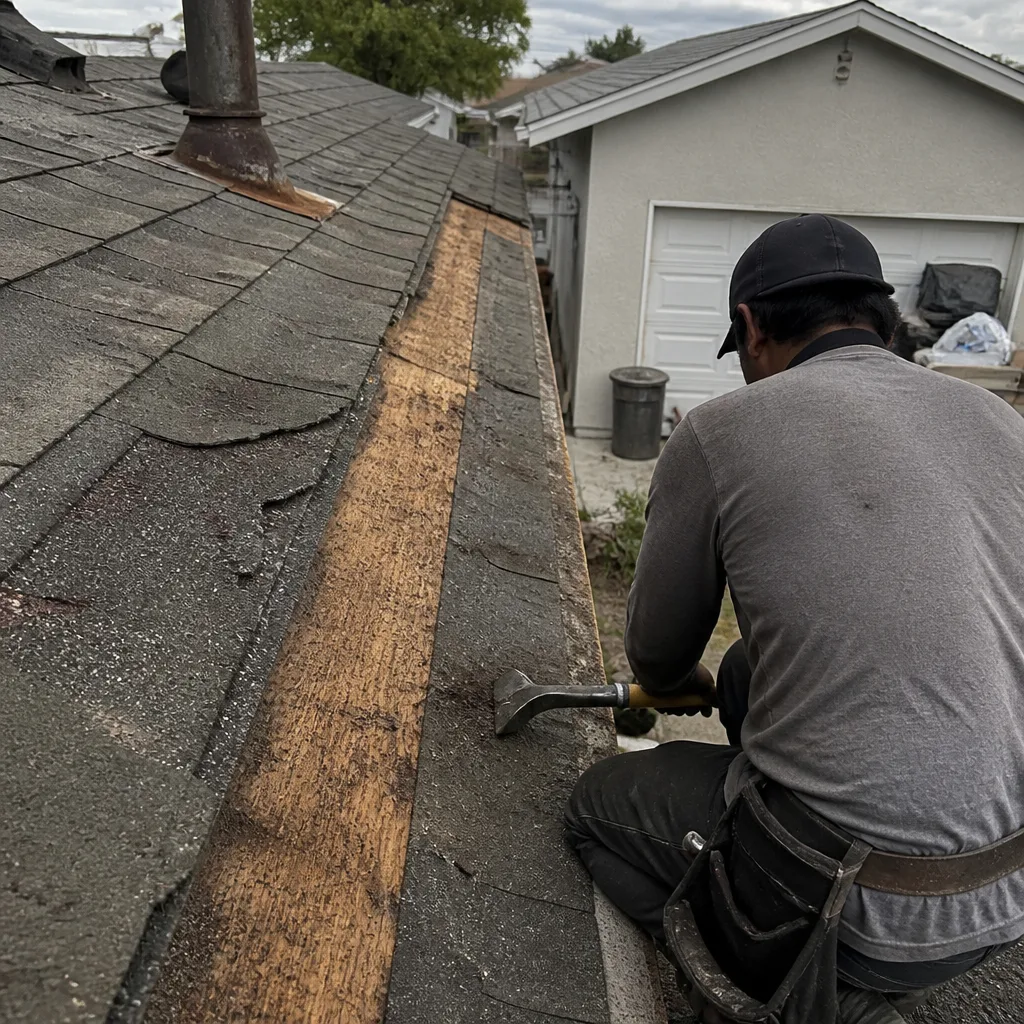 Before
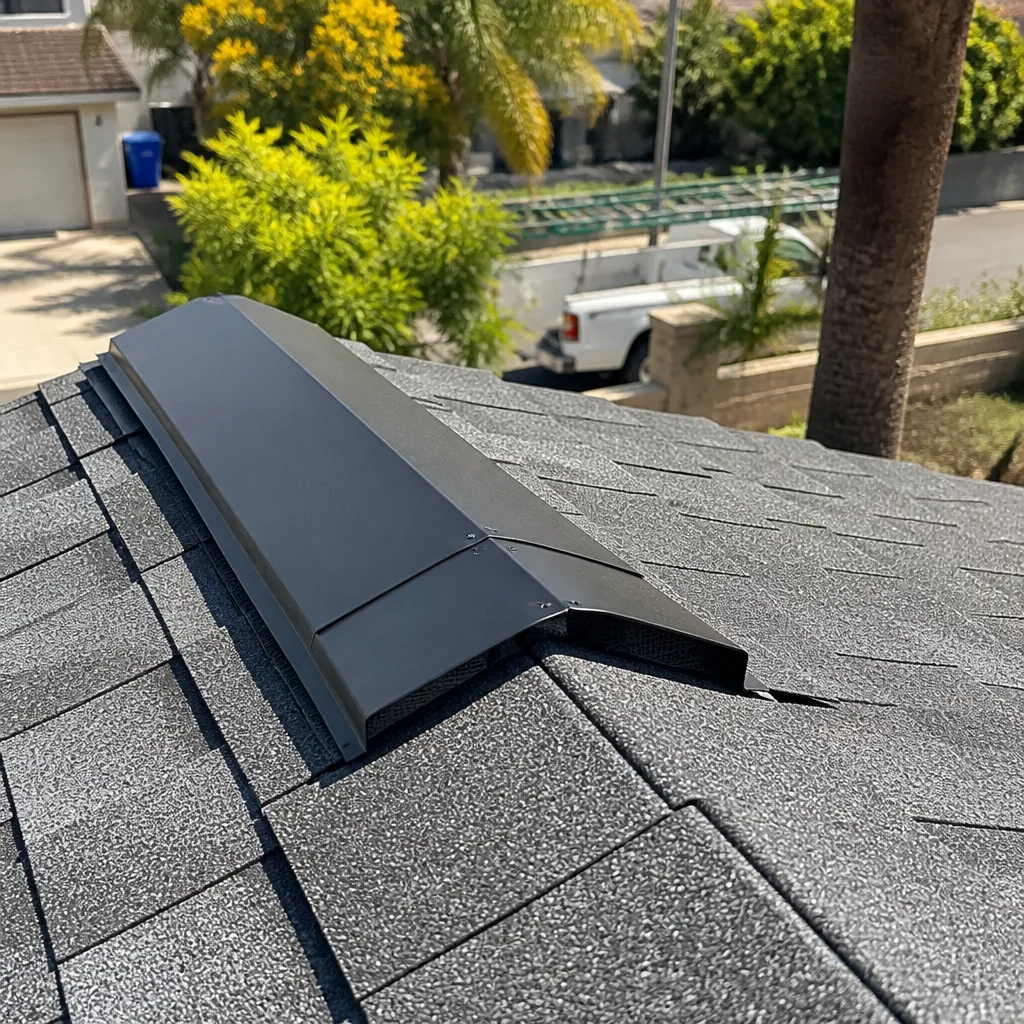 After
AfterWhen to Call a Professional
Some roofing work is safe for a confident DIYer: cleaning gutters, clearing debris from a low-pitch roof, checking for visible shingle damage from the ground. But most of what keeps a Los Angeles roof alive happens on a ladder, on a steep slope, or at a flashing detail, and those jobs are genuinely dangerous. If you have a leak you cannot trace to an obvious source, missing shingles after a Santa Ana, cracked flashing at a chimney, or water stains on a ceiling after a heavy rain cycle, call a professional. Working on a steep Los Angeles hillside roof is not the place to learn roofing. Mercer Roofing Co Los Angeles offers free estimates in Los Angeles. Call (213) 521-8272 and describe what you are seeing. A live person answers, 24/7.
Frequently Asked Questions
A standard architectural asphalt re-roof on a 1,500 to 2,000 square foot Los Angeles home typically costs $12,000 to $24,000, including tear-off, hauling, underlayment, flashing, and permit fees. Tile and standing seam metal roofs run 40 to 80 percent higher depending on roof complexity and material grade. Call (213) 521-8272 for a written line-item estimate specific to your home.
Yes. A full roof replacement in Los Angeles requires a building permit from either the LA Department of Building and Safety (for city addresses) or LA County Public Works (for unincorporated county addresses). Your contractor should pull the permit, schedule the inspection, and close it out before the project is considered complete.
Title 24 is California’s energy efficiency code, and it applies to most re-roofing projects in Los Angeles. In practice, it means your new roof must meet minimum cool-roof reflectance and emittance standards, which limits dark shingle colors and requires specific materials on flat roofs. Your contractor should provide Title 24 compliance documentation with your permit package.
A standard single-family re-roof takes 2 to 4 days from tear-off to final inspection for most Los Angeles homes. Roof size, pitch, number of layers being removed, and weather can extend that timeline. Tile and metal installations typically add 1 to 2 days.
A real roofing guarantee states what is covered, for how long, and what happens if a problem appears. Look for language like “365 days, free second visit if the repair fails” rather than vague phrases like “we stand behind our work.” Mercer Roofing includes a 365-Day Done Right Promise and a written guarantee on every repair, with a free second visit if a repair fails.
Yes. We install Class A fire-rated roofing systems in wildfire ember zones including Tujunga, Sunland, La Crescenta, and hillside areas above Burbank. Every fire-zone roof we specify meets Class A standards and includes ember-resistant venting where required. Call (213) 521-8272 for a free estimate.
The Bottom Line
Your Los Angeles roof is not a generic structure. It is a specific assembly fighting a specific set of conditions: salt air near the coast, brutal heat in the valley, aggressive drainage in the hills, fierce winds in the northern passes, and ember exposure in the fire zones. The roofing material, the flashing spec, the ventilation plan, the permit jurisdiction, and the shape of the guarantee should all follow from where your house sits, not from what a national chain would install in Phoenix. Get a written, itemized bid. Confirm the permit. Read the guarantee language. And before anyone steps onto your property, know who they are. That is a reasonable ask, and at Mercer Roofing Co Los Angeles, it is the standard.
Written by Grant Whitlock, Owner at Mercer Roofing Co Los Angeles, serving Los Angeles since 2000.