

Last updated October 17, 2026
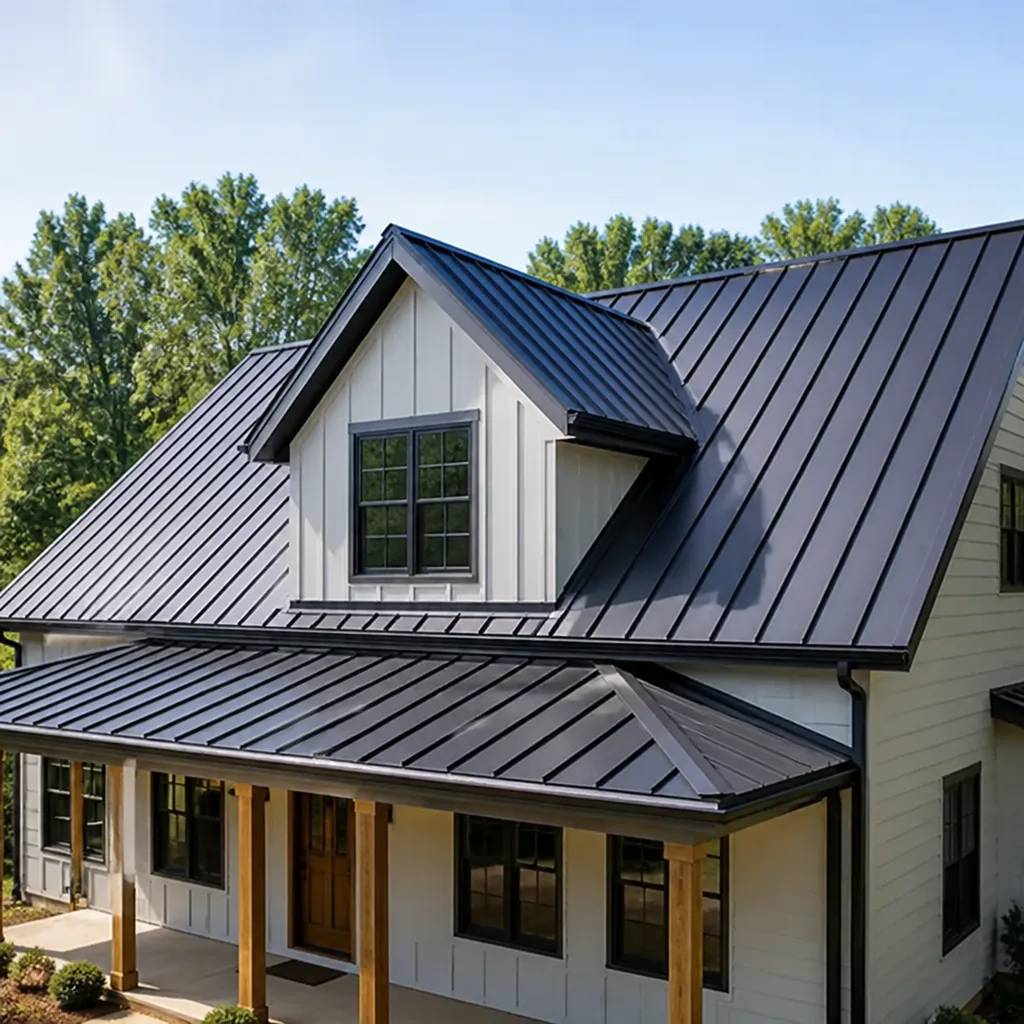 Metal roofing
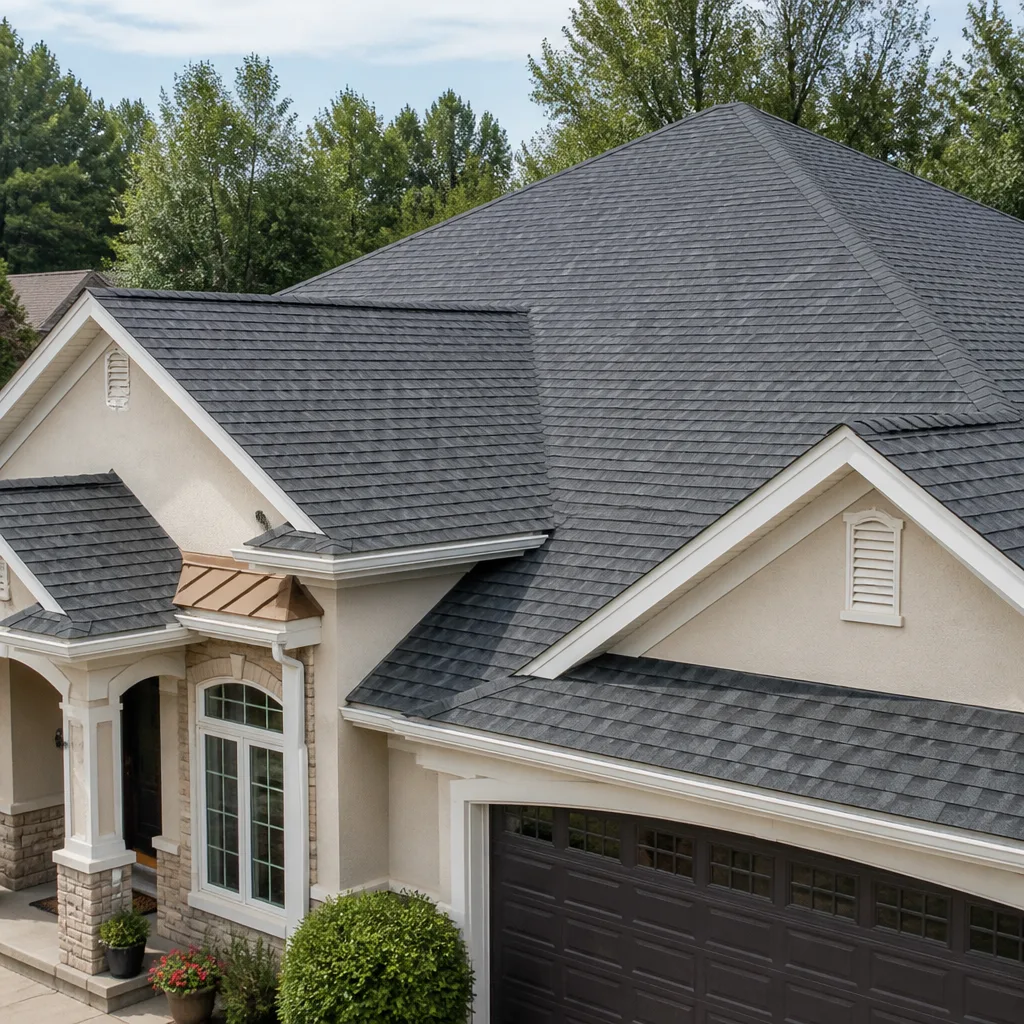 Architectural shingles
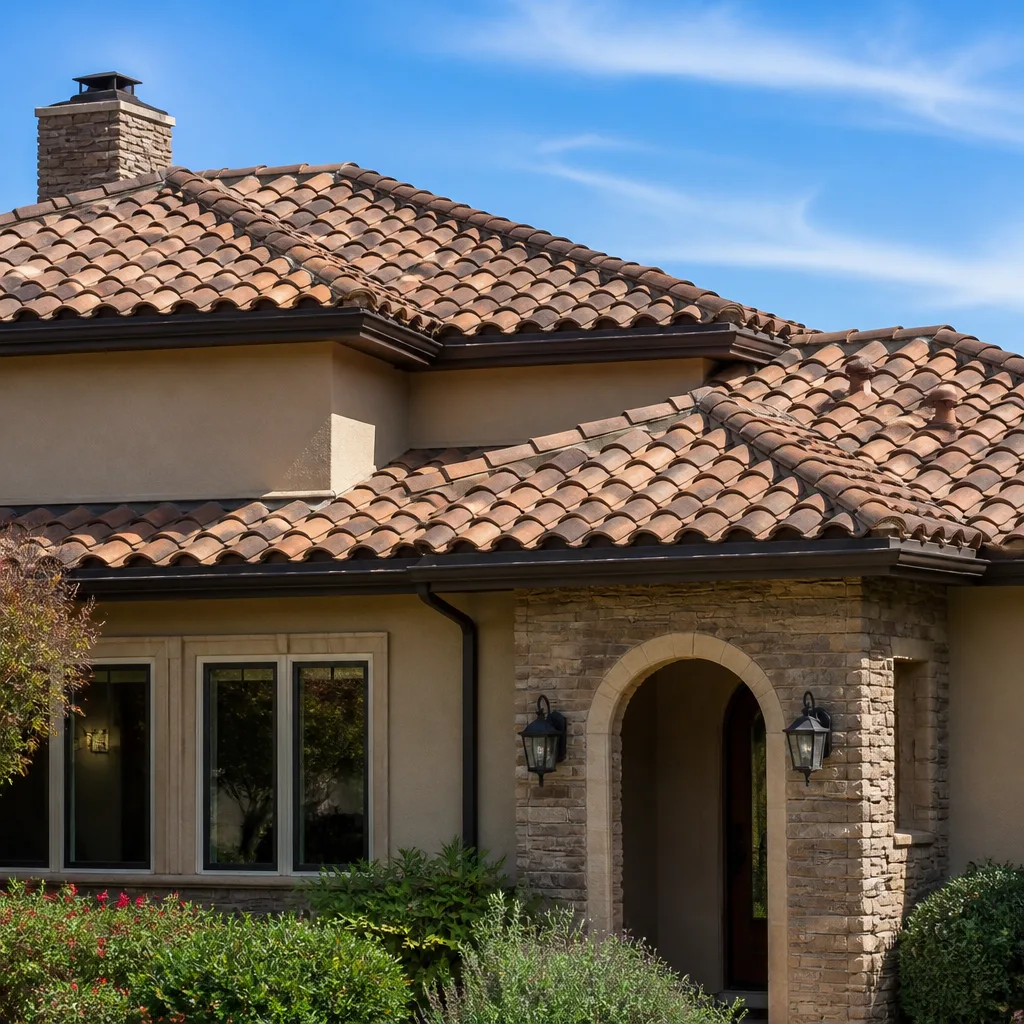 Tile roofing
 GAF
GAF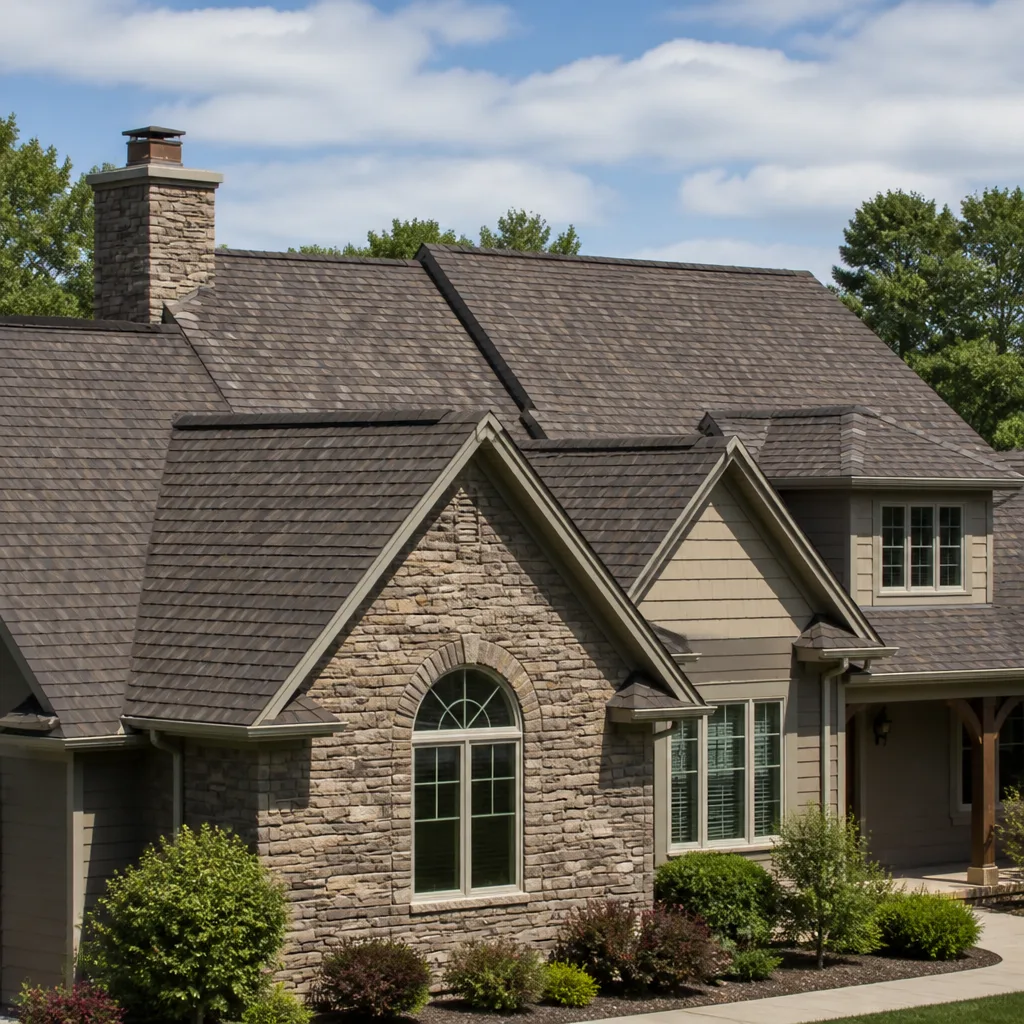 Owens Corning
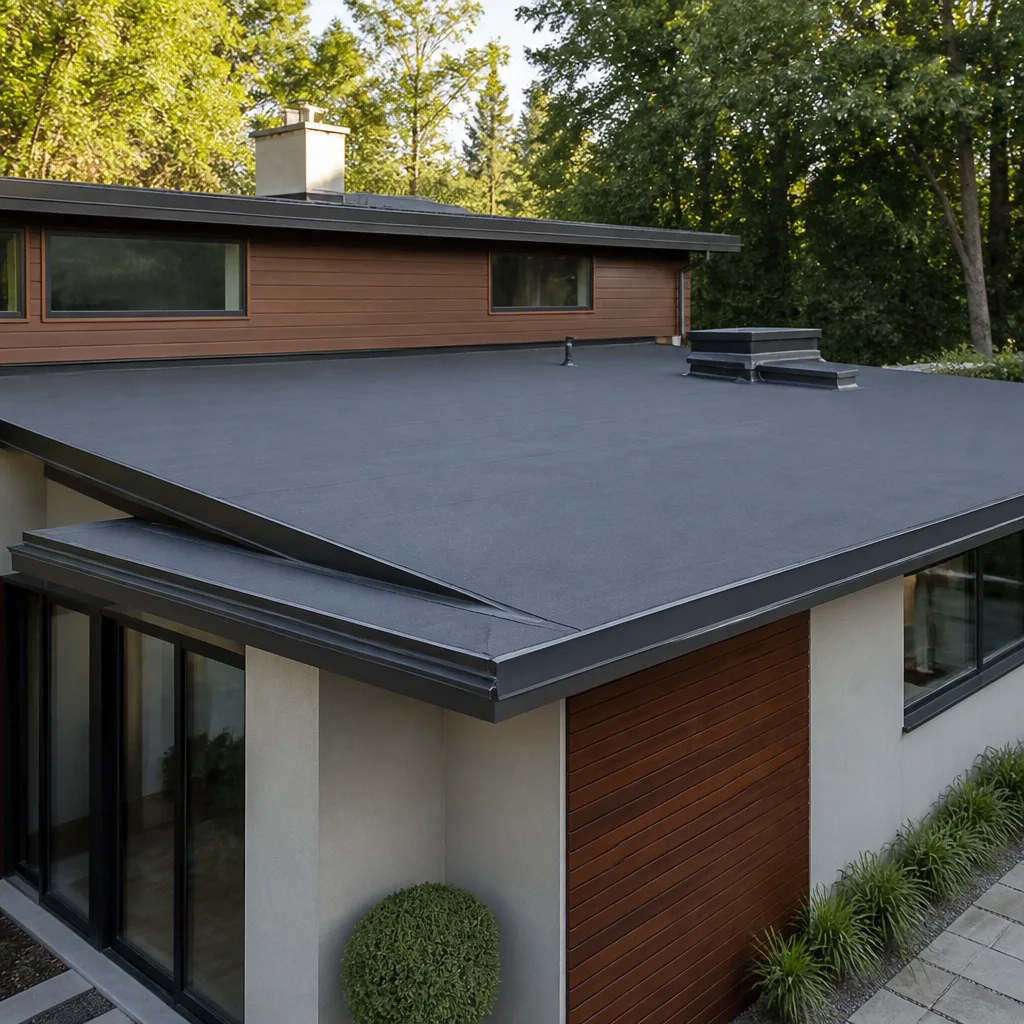 Flat & low-slope
Free roof inspection with deck photos before we talk money - GAF and Owens Corning certified installation
DIY vs Professional Roofing: The Los Angeles Homeowner’s Decision Guide
Here’s a number that surprises most Los Angeles homeowners: according to California’s Contractors State License Board, unlicensed contracting activity costs California homeowners an estimated $100 million annually in failed projects and correction costs. DIY roofing is not illegal in California, but the state’s owner-builder permit laws create a series of obligations that most homeowners only discover at resale, when a buyer’s inspector flags work that was never properly documented. This guide walks through exactly what California law permits a homeowner to do on their own roof, where the three-year resale restriction applies, and what professional roofing in Los Angeles actually costs versus the hidden price of doing it wrong. For a detailed roofing cost breakdown for Los Angeles homeowners in 2026, see our dedicated reference. We’ll look at real numbers, real permit requirements, and the specific conditions that make roofing decisions in neighborhoods like Silver Lake, Tarzana, and San Pedro different from anywhere else.
Styles & brands we work with
Quick Answer
DIY roofing is legally permitted in Los Angeles when a homeowner pulls an owner-builder permit, but the work must be disclosed at resale and carries a three-year restriction if you sell before that window closes. For minor maintenance like gutter clearing, sealant touch-up, and small shingle patching, DIY is manageable. For anything involving flashing, valleys, flat roof membranes, or structural decking, professional installation protects your warranty, your permit history, and your resale value. If you’re weighing whether to hire help, our step-by-step guide to hiring a roofing contractor in Los Angeles covers what to look for. In Los Angeles, the decision usually comes down to slope, permit exposure, and whether the material manufacturer will honor a warranty on self-installed work.
Table of Contents
- What California’s Owner-Builder Permit Actually Allows
- The Three-Year Resale Restriction Nobody Mentions
- Where DIY Roofing Is Safe and Manageable
- Where Amateur Work Creates Hidden Structural Damage
- Why Los Angeles Slopes Change the Whole Calculation
- Warranties: What Homeowners Lose When They Self-Install
- The Real Cost Comparison: DIY vs Professional
- Common Mistakes to Avoid
- When to Call a Professional
- Frequently Asked Questions
- The Bottom Line
What California’s Owner-Builder Permit Actually Allows
California Business and Professions Code Section 7044 allows a homeowner to act as their own contractor on their primary residence. That means you can legally pull a building permit from the Los Angeles Department of Building and Safety (LADBS) for roofing work on your own home, hire your own crew, buy your own materials, and supervise the whole job. The permit is issued in your name as an owner-builder. That is the legal mechanism that makes DIY roofing possible in Los Angeles.
But the law does not make owner-builder work consequence-free. Here is what the permit structure actually creates:
- You become the general contractor of record. Every inspection, every code correction, every failed check is on you. The LADBS does not distinguish between a homeowner who made a mistake and a contractor who made a mistake. The correction notice looks the same.
- Your name goes on the permit history. Los Angeles County property records tie permits to the property. When a buyer’s title company pulls the permit history, your name is there as the builder. That is disclosure.
- You assume workers’ compensation liability. If you hire day laborers or a small crew without a license and a worker is hurt on your roof, you are responsible. California has no exception for DIY enthusiasm. The liability is real and enforceable.
- You are responsible for code compliance. Los Angeles sits in a seismic zone. The LADBS enforces roofing nail patterns, underlayment standards, and edge metal details that are not intuitive to someone who has watched a few YouTube videos.
We have seen homeowners in Los Angeles pull owner-builder permits successfully. It happens. But it usually works when the roof is simple, the slope is low, and the homeowner has a background in construction or a lot of patience with the LADBS correction process. The permit is the easy part. The compliance is the hard part.
The Three-Year Resale Restriction Nobody Mentions
Here is the part most DIY guides skip. Under California law, when you pull an owner-builder permit, you make a legal declaration that you are building the improvement for your own use and occupancy. That declaration has a time consequence: if you sell the home within three years of completing the work, you generally cannot pull another owner-builder permit for the same property, and the buyer inherits the full picture of work you did yourself. California Civil Code Section 1102 requires sellers to disclose all improvements made without a licensed contractor. That disclosure is attached to the sale contract and reviewed by the buyer’s inspector, the buyer’s realtor, and the buyer’s lender.
What this means in Los Angeles, where single-family home prices routinely exceed $1 million in neighborhoods like Los Feliz, Mar Vista, and Studio City, is that a DIY roof is not invisible. A buyer’s inspector will climb into the attic, check the decking, look for signs of past leaks, and compare the roof’s condition to the permit history. If the roof was replaced four years ago under an owner-builder permit and there are signs of improper flashing or premature shingle wear, the inspector will note it. The buyer will negotiate. You may end up paying for corrections at a time when you have no leverage.
The three-year rule does not mean you cannot sell. It means the disclosure obligation is more demanding and the buyer’s scrutiny is higher. In our experience, homeowners who pulled owner-builder permits and then tried to sell within the window often ended up paying for a licensed contractor to fix or re-certify the work anyway. The savings from DIY evaporated at the closing table.
Where DIY Roofing Is Safe and Manageable
Let us be fair. There are roofing tasks where a careful Los Angeles homeowner can do acceptable work without a permit and without significant risk. Our Roof Repair Maintenance Checklist for Los Angeles Homeowners outlines which tasks fall in this safe zone. These are maintenance-level tasks that do not require penetrating the roof’s weathering surface or changing its structural behavior.
- Gutter clearing and downspout flushing. Los Angeles gets most of its annual rainfall between December and March. A clogged gutter during an atmospheric river storm sends water over the fascia and down the stucco. Clearing gutters twice a year, before the rainy season and after the Santa Ana winds drop leaves, is simple, safe on a single-story home, and requires no permit.
- Sealant touch-up around vents and flashing. Small surface cracks in roof sealant around plumbing vents or chimney bases can be addressed with a tube of quality roofing sealant. This is not a permanent fix, but it can buy a season. The key is using sealant rated for Southern California UV exposure. The sun in Los Angeles breaks down cheap sealant in under a year.
- Replacing a single damaged shingle. On a low-slope, walkable roof, a homeowner can replace one torn or missing asphalt shingle. This requires no permit and minimal tools. The risk is low if the slope is gentle and the roof is single-story. But note: if the shingle came off because the underlying decking rotted, you are not fixing the actual problem.
- Photographing the roof for condition documentation. This is genuinely smart. Every Los Angeles homeowner should have a dated photo record of their roof’s condition. It helps when comparing contractor quotes and when dealing with insurance after a storm.
These tasks share a common thread: they do not change the roof’s structure, they do not require removing the waterproofing layer, and the cost of a mistake is low. That is the practical boundary between maintenance and construction.
Where Amateur Work Creates Hidden Structural Damage
The trouble with roofing is that failures are rarely visible from the ground. Water follows gravity, which means it travels under the shingles, along the underlayment, and down into the attic where it soaks insulation, rots decking, and drips onto drywall. By the time you see a ceiling stain, the damage has been accumulating for weeks or months.
These are the specific areas where amateur work in Los Angeles creates the most expensive hidden damage:
- Flashing. Flashing is the metal or synthetic strip that directs water away from joints, chimneys, skylights, and the roof’s edges. It is the single most common point of roof failure. Improperly lapped flashing allows water to travel behind the roofing material instead of over it. A flashing error might not leak for a full year, until a strong winter storm with driving rain finally pushes enough water through. Then the damage is extensive.
- Valleys. Where two roof planes meet at an angle, water concentrates. Valley construction requires precise underlayment, correct shingle cutting, and often a metal or synthetic valley liner. A valley that is too narrow or too wide will funnel water in the wrong direction. This is not a place for guesswork.
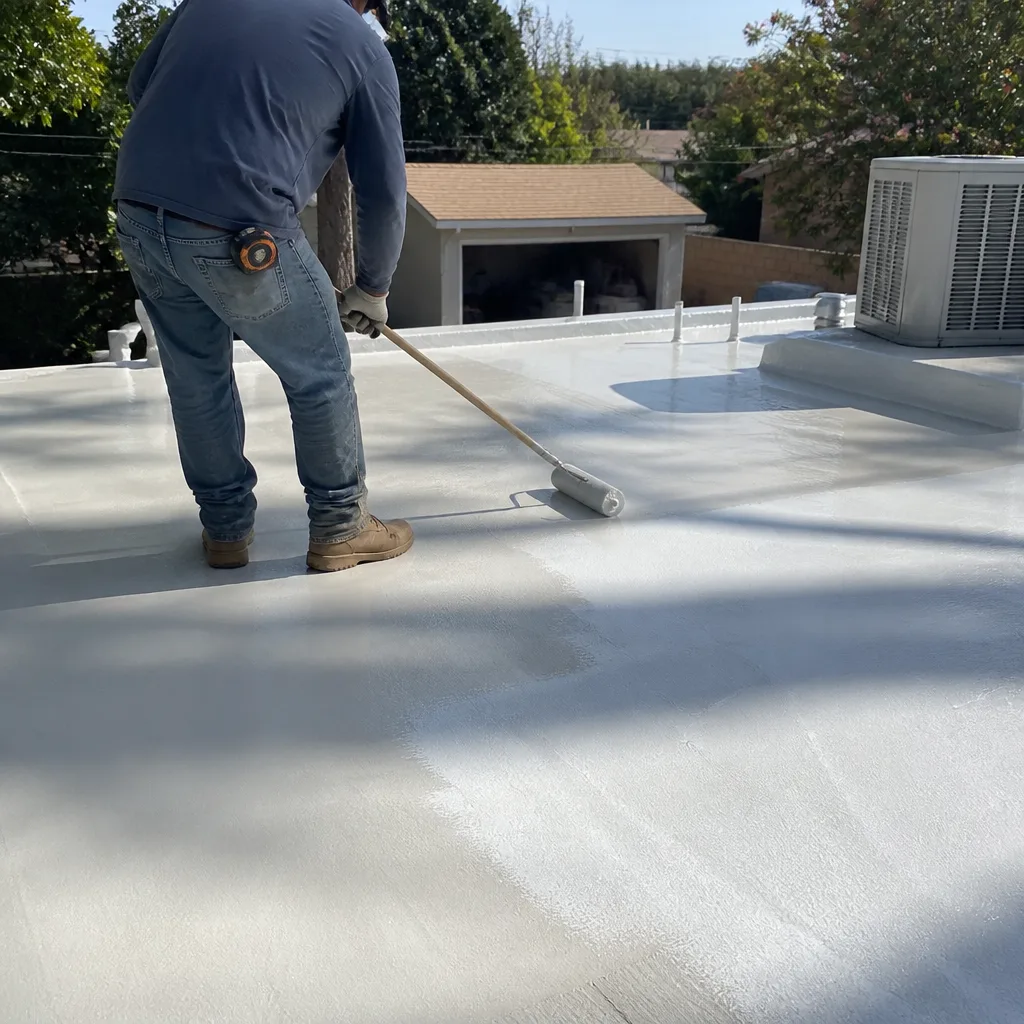
- Flat roof membranes. Many Los Angeles homes, especially mid-century builds in the Valley and modern boxes in Venice or West Adams, have flat or low-slope roof sections. These require a continuous membrane like modified bitumen, TPO, or a multi-ply system. A single seam failure, a poorly sealed penetration, or improper lap adhesion means water enters the roof system. Flat roof repair is not a single-shake job. It is a system job.
- Decking replacement. If the plywood or OSB decking under the shingles is water-damaged or delaminated, it must be replaced before new roofing is installed. A homeowner who covers over rotted decking is hiding a structural problem. The new roof will fail from beneath, and the warranty from the shingle manufacturer will be void because the substrate was not properly prepared.
Our team has opened up roofs in Los Angeles where a previous DIY repair looked fine from the outside but concealed several square feet of rotted decking underneath. The homeowner had spent money on materials and a weekend of labor, only to face a larger repair bill than they would have paid originally.
Why Los Angeles Slopes Change the Whole Calculation
Los Angeles is a city of hills. From Mount Washington to Baldwin Hills to the steep streets of Echo Park and Silver Lake, thousands of homes are built on slopes that make roof access genuinely dangerous. A roof with a 6:12 pitch, which is a standard moderate slope, is much harder to work on when the ground falls away below the eaves. A fall from the roof’s downhill side on a hillside lot in Silver Lake is not the same as a fall from the same roof height on a flat lot in Torrance. The hillside fall carries more risk of severe injury because the structure itself is elevated.
Roofing contractors in Los Angeles are required to carry workers’ compensation insurance and to use fall protection systems when working above certain heights. The California Division of Occupational Safety and Health (Cal/OSHA) enforces fall protection standards for anyone doing roof work at height, including on steep-slope roofs. A homeowner who climbs a hillside roof with a harness they bought online is not typically covered by their own health insurance for an accident that occurs during unlicensed construction activity. That is worth checking before you climb.
Even on flat lots, the calculation changes as the roof ages. A single-story 3:12 pitch roof in Burbank might be walkable. A two-story 6:12 pitch roof in Mount Washington with valley sections and skylights is a professional job. We always recommend that homeowners gauge not just the roof’s pitch but the consequence of a mistake. A torn shingle is a nuisance. A broken hip from a 20-foot fall is a different kind of cost.
Warranties: What Homeowners Lose When They Self-Install
Here is a concrete difference between DIY and professional roofing that most cost comparisons miss. When a certified roofing contractor installs a new shingle roof using manufacturer-recognized materials, the manufacturer may extend a system warranty that covers both materials and installation quality for a specific term. Brands like CertainTeed and Owens Corning offer extended warranty programs that are only available when the installation is performed by a contractor meeting their certification requirements. A homeowner buying the same shingles from a retail supplier gets the basic material warranty, which covers manufacturing defects but not installation errors. The difference is substantial.
For example, CertainTeed’s extended warranties require installation by a credentialed contractor and cover not just the shingles but the entire roofing system, including underlayment, hip and ridge, and starter strips. Owens Corning has similar programs through its Platinum and Preferred contractor networks. IKO and Atlas also offer enhanced warranties tied to certified installation. These extended warranties can run 25, 30, or even 50 years with transferability to a new owner. That transferability matters in Los Angeles, where homes change hands frequently and buyers look for warranties as a signal of a well-maintained property.
Here is a quick breakdown of what the warranty landscape looks like:
- Basic material warranty (DIY or retail purchase): covers manufacturing defects in the shingles themselves. Typically prorated. No installation coverage.
- Extended system warranty (certified professional installation): covers materials plus installation workmanship for a longer term. Often non-prorated for an initial period. Transferable to a new owner in many cases.
- Contractor workmanship warranty: additional layer from the installer, typically covering workmanship errors for a stated period. Mercer Roofing Co Los Angeles provides a 365-day written guarantee on every repair, which means a free second visit if a repair fails within that year.
The DIY savings on labor need to be weighed against the loss of the extended warranty. On a full replacement in Los Angeles, where a new roof on a standard 1,500-square-foot home might cost between $9,000 and $16,000 depending on materials and roof complexity, the extended warranty is a real asset. Lose it, and you own every failure.
The Real Cost Comparison: DIY vs Professional
Let us look at actual numbers for Los Angeles. These are market ranges, not quotes, but they reflect what we see across the LA basin in 2025 and 2026.
Small Repair: A Few Missing Shingles
- DIY cost: $60 to $150 in materials (bundle of shingles, nails, sealant, and safety gear if already owned). Time: 2 to 4 hours. Permit: none required for minor repair. Risk: low if slope is gentle.
- Professional cost: $250 to $500. Time: same-day visit. Includes matching materials where possible, sealant, and a written repair guarantee.
Moderate Repair: Flashing or Valley Replacement
- DIY cost: $100 to $300 in materials. Time: a full weekend. Risk: high. Incorrect flashing or valley installation is the leading cause of roof leaks, and repairs can cost several thousand dollars when the leak damages ceilings and insulation.
- Professional cost: $400 to $1,200 depending on the length of flashing, roof pitch, and accessibility. Includes warranty and professional liability for workmanship.
Full Roof Replacement: Standard 1,500 sq ft Home
- DIY cost: $4,000 to $7,000 in materials for an asphalt shingle roof from a brand like IKO or Atlas, plus dump fees, plus your time. Permit: required in Los Angeles. Risk: high. A full replacement involves tear-off, decking inspection, underlayment, edge metal, flashing, and final inspection by LADBS. Correction costs for a failed inspection start at a few hundred dollars and can climb into the thousands.
- Professional cost: $9,000 to $16,000 in Los Angeles, depending on shingle grade, roof complexity, and removal of existing layers. Includes labor, disposal, permit, inspection, and manufacturer warranty activation. Roof Installation in Los Angeles is typically completed in 1 to 2 weeks from contract to final inspection.
The DIY savings on a full replacement look large on paper, in the range of $5,000 to $9,000. But subtract the cost of your own time, the risk of a failed inspection, the loss of the extended manufacturer warranty, and the future correction cost if work fails before you sell, and the net savings shrink considerably. In Los Angeles, where the LADBS is strict about roof nailing patterns and underlayment details, DIY full replacements rarely pass first inspection without corrections.
Common Mistakes to Avoid
- Pulling an owner-builder permit without understanding the three-year disclosure rule. You are legally responsible for every detail of the work, and the permit history follows the property. If you sell within three years, the buyer’s inspector will scrutinize everything.
- Using cheap sealant that fails in Los Angeles sun. UV exposure in the LA basin degrades low-quality roof sealant in months, not years. Buy a UV-rated product and prep the surface properly.
- Covering over rotted decking instead of replacing it. A new shingle layer over bad decking is a hidden defect. The shingle manufacturer will not honor a warranty, and the leak will reappear under the new roof.
- Ignoring slope when deciding to DIY. A hillside lot in Silver Lake or Echo Park is materially different from a flat lot in Torrance. The fall risk alone justifies hiring a professional.
- Assuming the buyer will not check. In Los Angeles, buyers pull permit histories and hire inspectors who know what to look for. A DIY roof is visible to a trained eye.
- Calculating DIY savings without the warranty loss. The extended system warranties from manufacturers like CertainTeed and Owens Corning are only available through certified installers. Losing that warranty on a $12,000 roof is a real penalty.
When to Call a Professional
Call a licensed roofing contractor when the work involves flashing, valleys, flat roof membranes, structural decking, or any repair that requires a permit. These are the areas where errors hide until the damage is severe. In Los Angeles, a professional also brings things you cannot replicate on your own: manufacturer certifications that unlock extended warranties, workers’ compensation coverage for the crew on your roof, and a written guarantee on the work performed. Roof Repair in Los Angeles is available from Mercer Roofing Co Los Angeles, and we provide a free estimate with a written price before any work starts. Call (213) 521-8272 to schedule yours. We also cover the specific concern many Los Angeles homeowners quietly carry: knowing exactly who is coming to the door. Every Mercer technician’s name and photo is sent to you before the visit, and each one arrives in uniform with a photo ID badge. That is the Threshold Verified standard, and it is how we protect not just roofs but the trust of the people opening the door.
Frequently Asked Questions
Yes, California law allows a homeowner to act as an owner-builder and pull a roofing permit from the Los Angeles Department of Building and Safety. You may hire workers or do the work yourself. However, the permit history ties the work to you, and California Civil Code Section 1102 requires you to disclose owner-builder work when you sell. Call (213) 521-8272 if you would like a professional comparison quote before committing to DIY.
Small repairs like replacing a few shingles typically run $250 to $500 in Los Angeles. Moderate repairs involving flashing or valley work range from $400 to $1,200. Full replacements on a standard 1,500-square-foot home range from $9,000 to $16,000 depending on materials and roof complexity. Mercer Roofing Co Los Angeles provides a written price before any work starts.
When you pull an owner-builder permit in California, you declare that the improvement is for your own use. If you sell within three years, the work is subject to heightened scrutiny and full disclosure under Civil Code Section 1102. A buyer’s inspector will review the permit history and inspect the roof for signs of improper installation. Correction costs at that point fall on you.
Manufacturers like CertainTeed and Owens Corning offer basic material warranties for shingles purchased retail. However, extended system warranties that cover installation quality and the full roofing system are only available through certified professional installers. IKO and Atlas have similar tiers. A DIY installation voids the extended warranty path.
On a low-slope, single-story roof, careful inspection is generally manageable with proper footwear. On steep-slope roofs, two-story homes, or hillside lots in neighborhoods like Silver Lake, Baldwin Hills, or Mount Washington, the fall risk is serious and professional fall protection is required. If you are unsure about the slope or the roof’s condition, call a professional for an assessment instead.
Threshold Verified is the quality framework that each independently owned Mercer Roofing location is held to. It requires every technician to be background-checked, identity-verified, and dispatched in a clean, marked uniform with a photo ID badge. The technician’s name and photo are sent to the homeowner before the visit. This standard was created by the Threshold Group family of home-service companies, founded in 2000, and it is the specific answer to the stranger-at-the-door worry that many Los Angeles homeowners understandably carry.
The Bottom Line
The DIY versus professional roofing decision in Los Angeles is not really about skill. It is about legal exposure, permit history, warranty value, and the specific geography of the city’s hillside lots. DIY is appropriate for small maintenance tasks that stay on the surface: gutter clearing, sealant touch-up, single shingle replacement on a gentle slope. Professional roofing is the rational choice for everything that touches flashing, valleys, flat membranes, decking, or a full replacement. The savings from DIY shrink when you account for permit complications, lost warranties, and the cost of corrections at resale. For more guides & resources on roofing decisions, or for a written estimate and a clear price before any work starts, call Mercer Roofing Co Los Angeles at (213) 521-8272.
Learn more about Mercer Roofing Co Los Angeles home, our Roofing Company in Los Angeles services, and how our team approaches every job with the badge-at-the-door promise that makes the difference for safety-conscious homeowners.
Written by Grant Whitlock, Owner at Mercer Roofing Co Los Angeles, serving Los Angeles since 2000.
See the difference
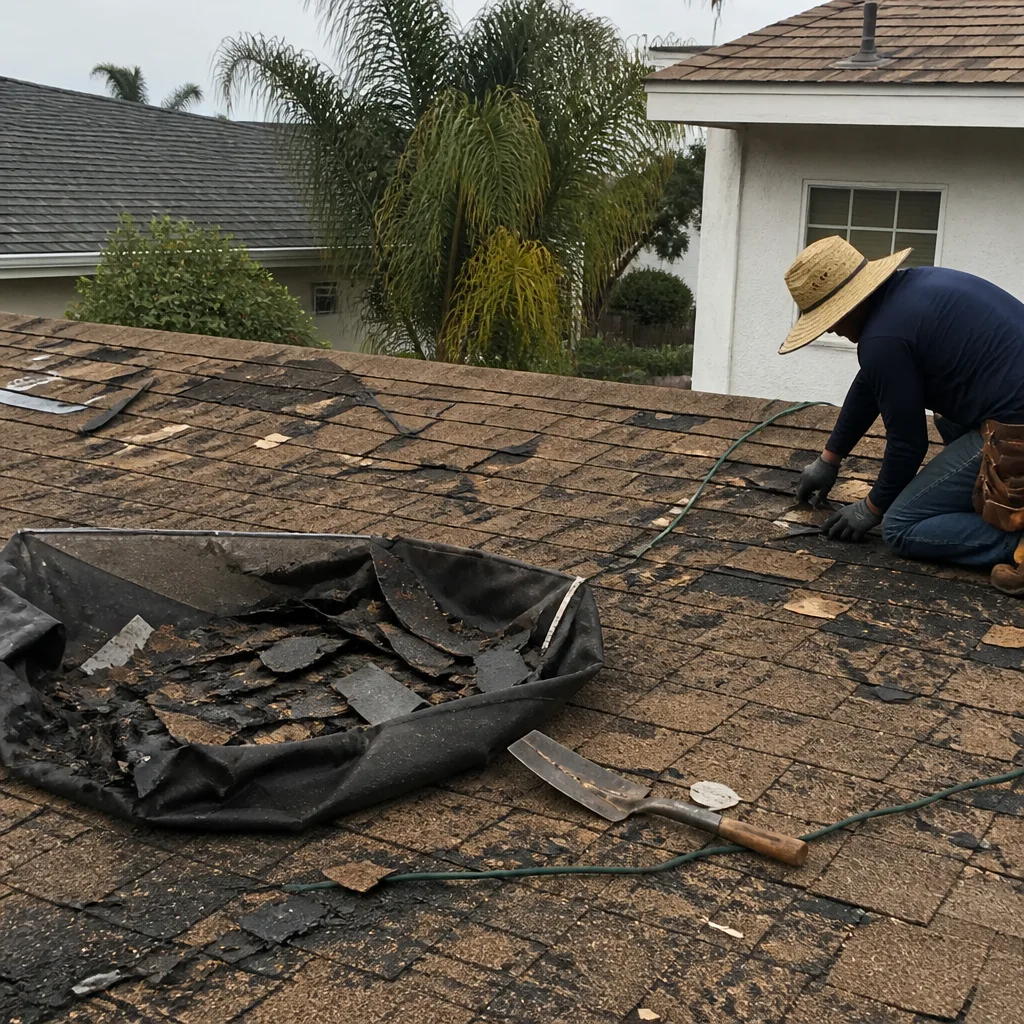 Before
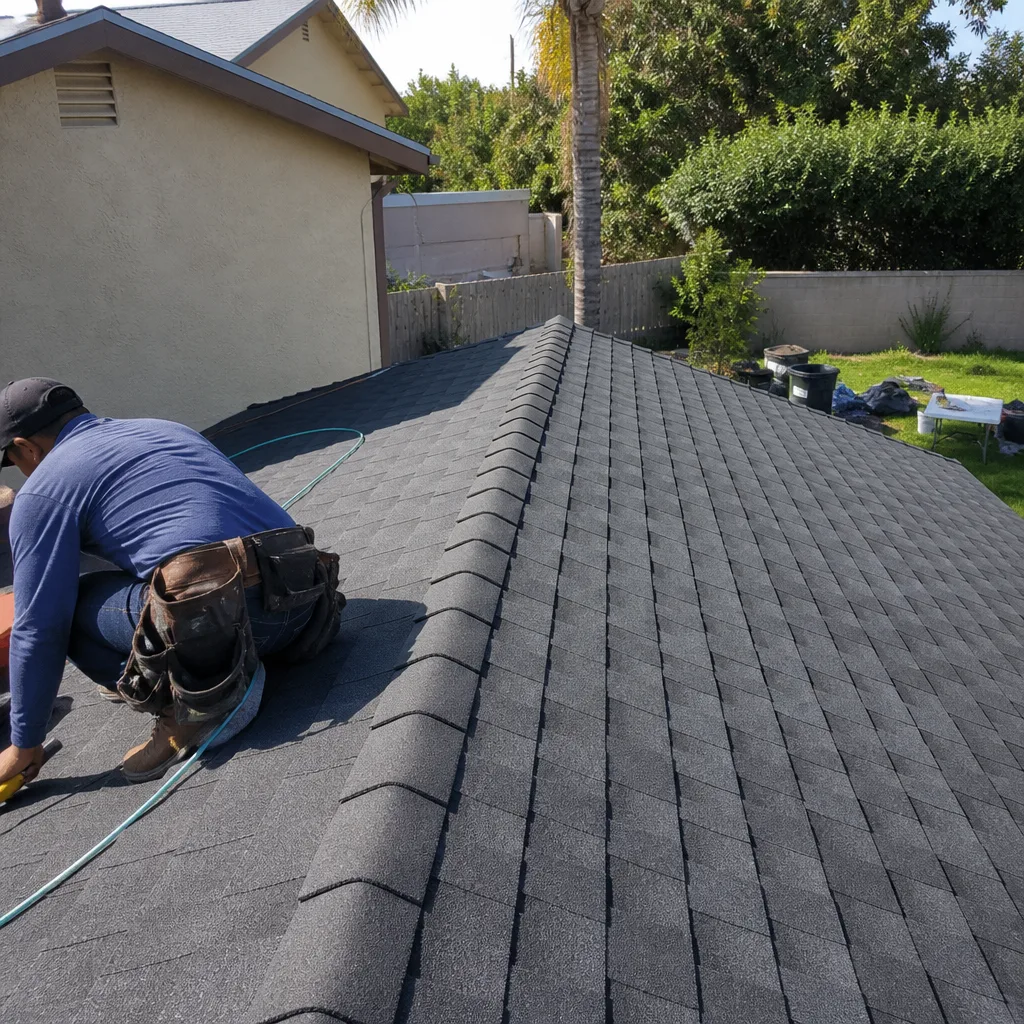 After
After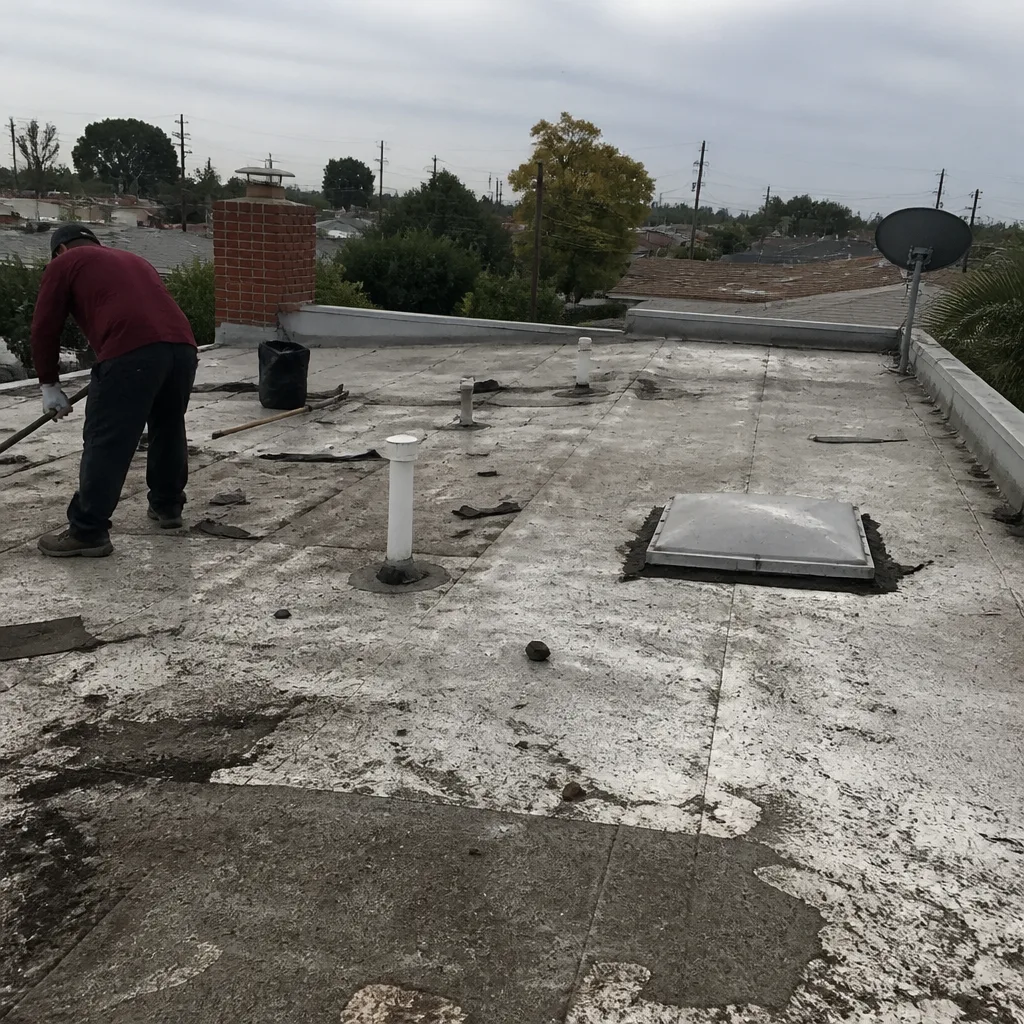 Before
 After
After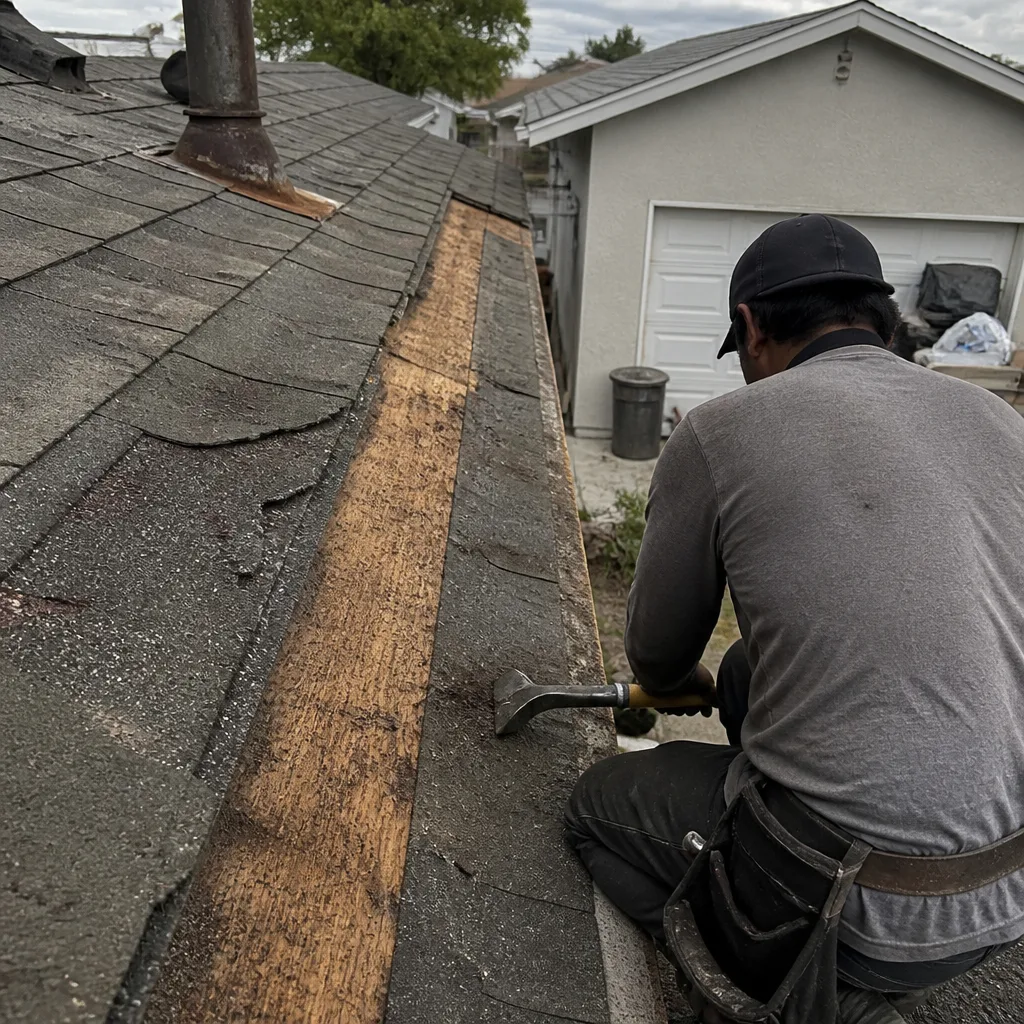 Before
 After
After